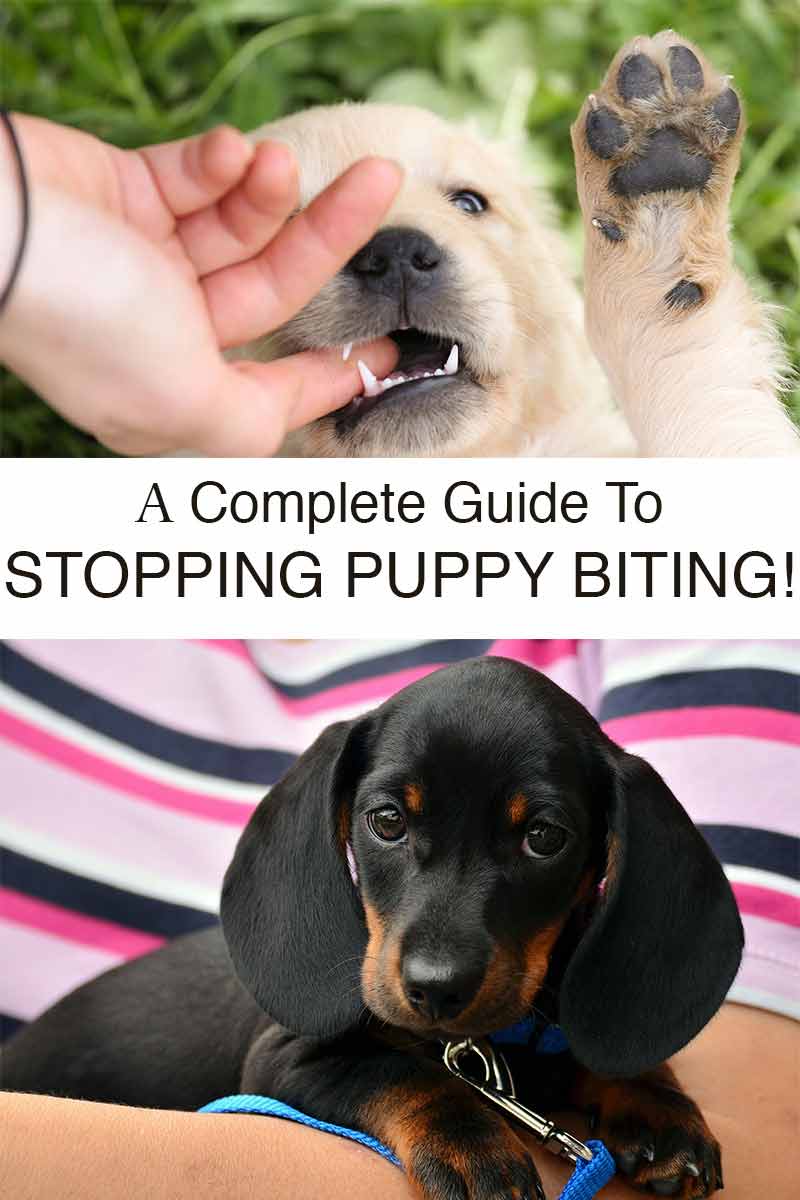
Addressing the challenging phase of adolescent puppy behavior requires patience, consistency, and a deep understanding of canine development.
According to the American Society for the Prevention of Cruelty to Animals (ASPCA), behavioral issues are among the primary reasons young canines are relinquished to shelters, making early intervention critical for long-term household harmony. During the adolescent window, canine youngsters frequently test boundaries through exploratory mouthing and persistent biting. In clinical practice, watching a half-year-old dog clamp onto clothing or hands reveals an urgent need for redirection rather than punishment. Understanding the underlying motivations behind these sharp interactions transforms a frustrating household dynamic into a predictable training opportunity. Establishing clear boundaries now prevents minor puppy habits from escalating into dangerous adult behaviors. Related guide: Frozzys Frozen Yogurt For Dogs.
💡 Pet Care Key Takeaways:
- Core Focus: Practical health, nutrition, and wellness guidelines for How To Stop A 6-Month Puppy’S Oomoes Ans Biting.
- Target Scope: Pet owners, animal caregivers, and veterinary support staff.
- Best Recommendation: Maintain consistent daily routines and consult an accredited veterinarian before introducing major diet or medical changes.
Mouthing and biting in a six-month-old canine represent a natural combination of teething discomfort, exploratory behavior, and adolescent boundary testing.
At the six-month mark, adolescent dogs are typically losing their final deciduous teeth while their permanent adult teeth firmly anchor into the jawbone. This biological transition triggers intense gum irritation, compelling the young animal to seek relief through constant chewing and nipping. Furthermore, juvenile dogs lack hands, meaning their mouths serve as primary tools for interacting with the environment and establishing social feedback. When attempting how to stop a 6-month puppy’s oomoes ans biting, handlers must recognize that social play often stimulates over-arousal. Consequently, sharp teeth connecting with human skin usually stems from high excitement rather than genuine aggression, though the resulting discomfort demands an immediate behavioral remedy.
Unchecked juvenile nipping can lead to chronic behavioral challenges, accidental household injuries, and strained human-canine bonds if nutritional and mental needs are ignored.
Nutritional deficiencies, excess energy, and lack of mental stimulation often exacerbate adolescent mouthiness, making comprehensive care essential for successful training outcomes. When a growing animal lacks appropriate outlets, the natural urge to chew redirects toward furniture, shoes, and human ankles. Veterinary nutritionists emphasize that balanced diets supporting neurological development can significantly reduce erratic hyperactivity in adolescent canines. Additionally, persistent skin contact during play teaches the young animal that human hands are acceptable chew toys, a dangerous precedent for future household guests. Comprehensive guidance on canine physical health is available through Dog Type and Health resources.
Behavioral counseling and positive reinforcement training effectively reduce adolescent aggression and nuisance biting in young dogs. — American Kennel Club (AKC)
Implementing effective deterrents requires a combination of immediate positive redirection, scheduled rest periods, and appropriate chew toys.
To successfully manage and eliminate sharp biting habits, handlers must consistently substitute an acceptable chew item the exact moment teeth touch human skin. Freezing safe rubber toys filled with approved canine treats provides soothing relief for inflamed gums while keeping the young animal happily occupied. When an adolescent canine becomes overly boisterous, a structured time-out in a quiet, unstimulating area helps regulate their nervous system. Exploring specialized enrichment techniques can be found within the Method section, offering structured pathways for obedience.
Avoiding common training mistakes ensures that the adolescent canine does not accidentally learn to associate biting with high-value attention or play.
Yelling, pulling away rapidly, or using physical punishment often triggers a predatory response, causing the young animal to bite harder during perceived rough-and-tumble games. Instead of engaging in a tug-of-war with clothing, handlers should freeze completely, cross their arms, and calmly turn away until all four paws remain on the floor. Consistency across every household member prevents the puppy from receiving mixed signals about what constitutes acceptable social interaction. Furthermore, selecting safe, high-quality components for DIY frozen treats requires careful review of acceptable ingredients listed on Ingredients pages to prevent accidental toxicity.
Canine socialization and structured bite inhibition classes during the first year of life dramatically decrease severe aggression risks. — American Veterinary Medical Association (AVMA)
Pet Care & Wellness Overview Table
| Life Stage | Daily Activity Level | Key Nutrition / Care Focus |
|---|---|---|
| Puppy / Kitten | High (frequent short bursts) | High-protein growth diet & early socialization |
| Adult Companion | Moderate (30–60 mins daily) | Balanced maintenance nutrition & dental hygiene |
| Senior Pets | Low to Gentle (mindful walks) | Joint support (Glucosamine) & routine vet checks |
Images References


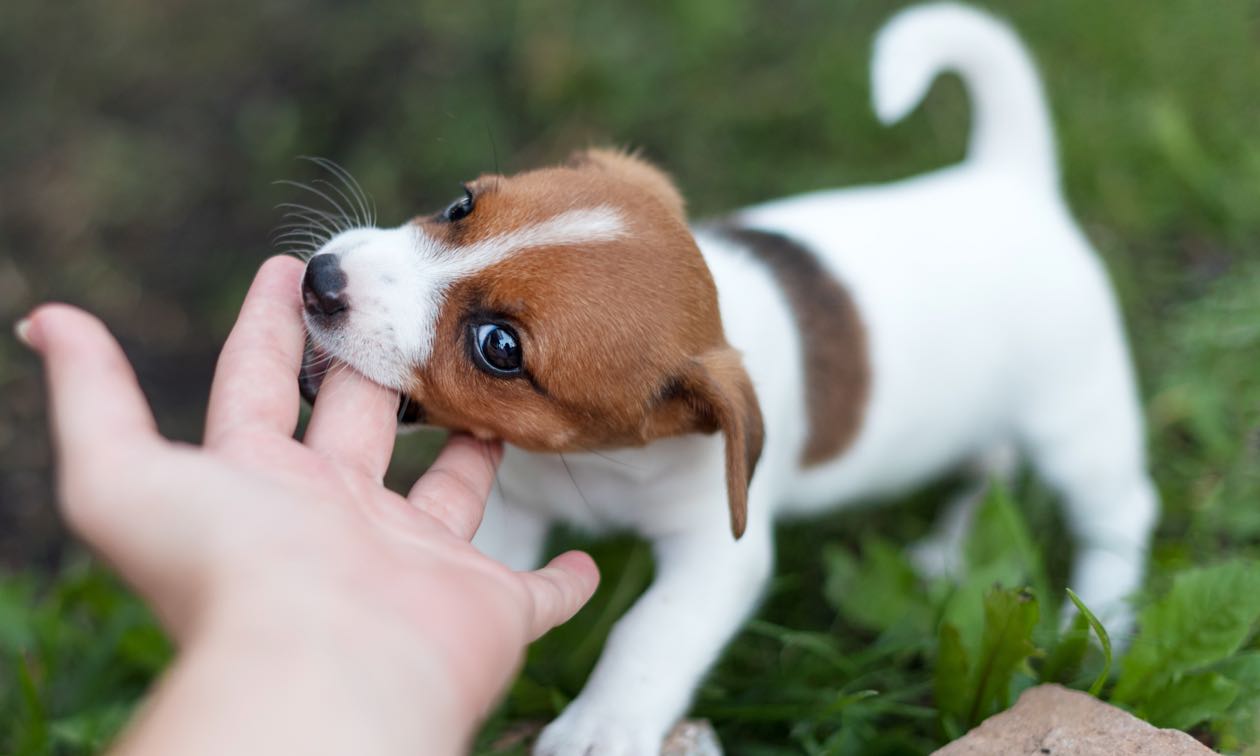
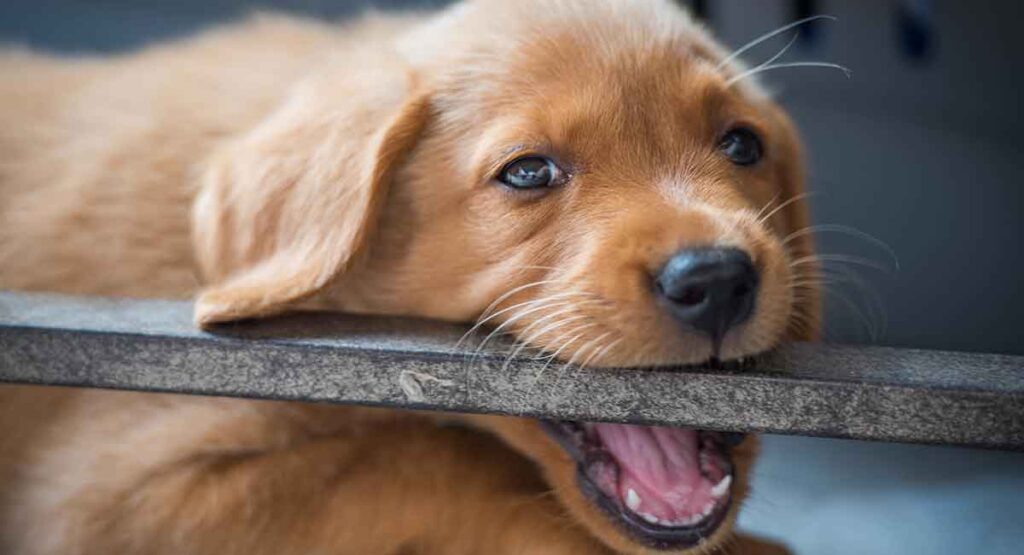

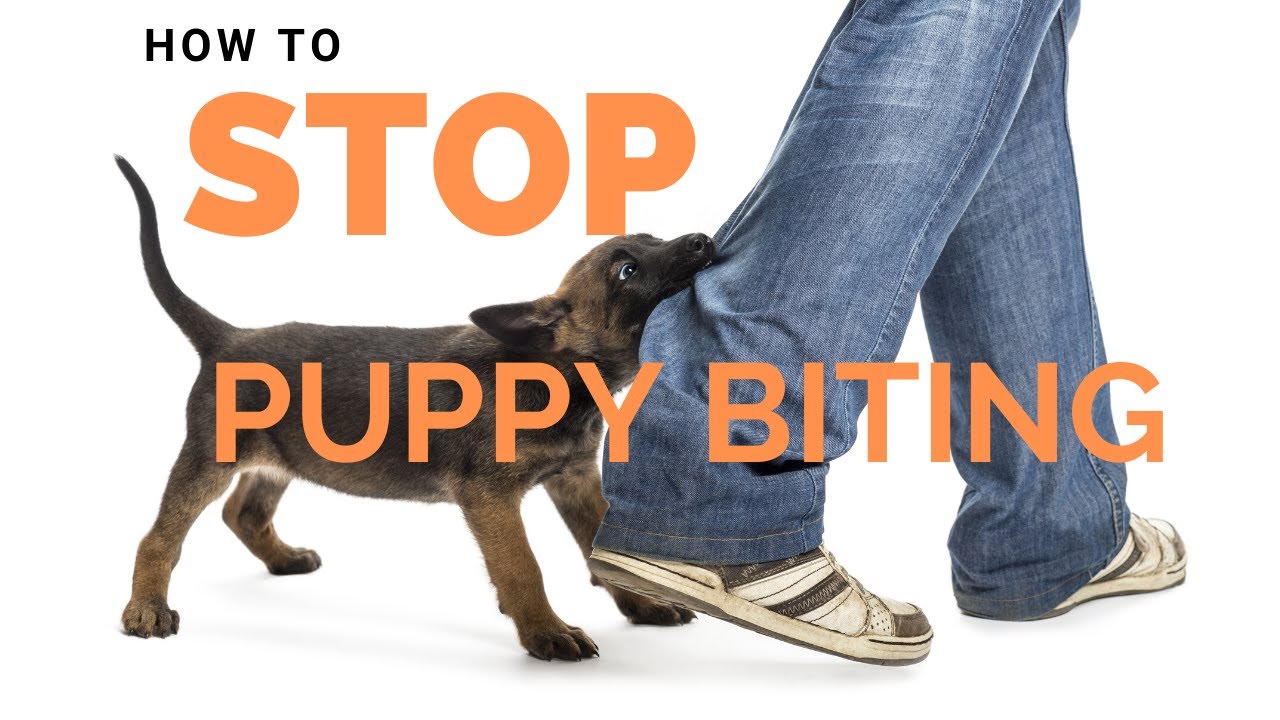


Breed characteristics, individual size, and current health status significantly influence how rapidly an adolescent canine responds to bite inhibition training.
Larger working breeds often possess higher energy thresholds and stronger jaw muscles, requiring more intense physical exercise and rigorous mental engagement than smaller companion dogs. Conversely, smaller toy breeds might have accelerated dental timelines, yet their fragile frames mean even playful nipping can cause accidental skin breaks. Health conditions such as hidden ear infections, gastrointestinal upset, or joint discomfort can also lower a young animal’s pain tolerance, resulting in defensive biting. Handlers celebrating special milestones or managing unique behavioral phases during specific life stages can find targeted advice under Occasion categories.
Consulting a qualified veterinarian or certified animal behaviorist becomes necessary if sudden aggression, unprovoked snapping, or persistent biting continues despite consistent training.
Medical professionals must evaluate sudden behavioral shifts to rule out underlying pain, neurological disorders, or metabolic imbalances that standard training cannot resolve. A licensed veterinarian will perform a thorough physical examination, checking dental health, jaw alignment, and systemic well-being before recommending specialized behavioral modification plans. Never attempt to diagnose complex aggression without professional guidance, as improper handling can worsen fear-based responses. For broader wellness tips, general care guides, and everyday troubleshooting, visit General & Others.
Creating a harmonious living environment for an adolescent dog relies on consistent boundaries, daily mental stimulation, and compassionate veterinary oversight.
Mastering adolescent behavioral hurdles takes time, steady dedication, and a commitment to positive reinforcement practices that strengthen the human-animal bond. By understanding the biological roots of teething and impulse control, handlers can guide their young animals into calm, well-behaved adulthood. Exploring additional expert-backed resources across Home2Pet.com ensures every pet owner remains fully equipped for the journey ahead.