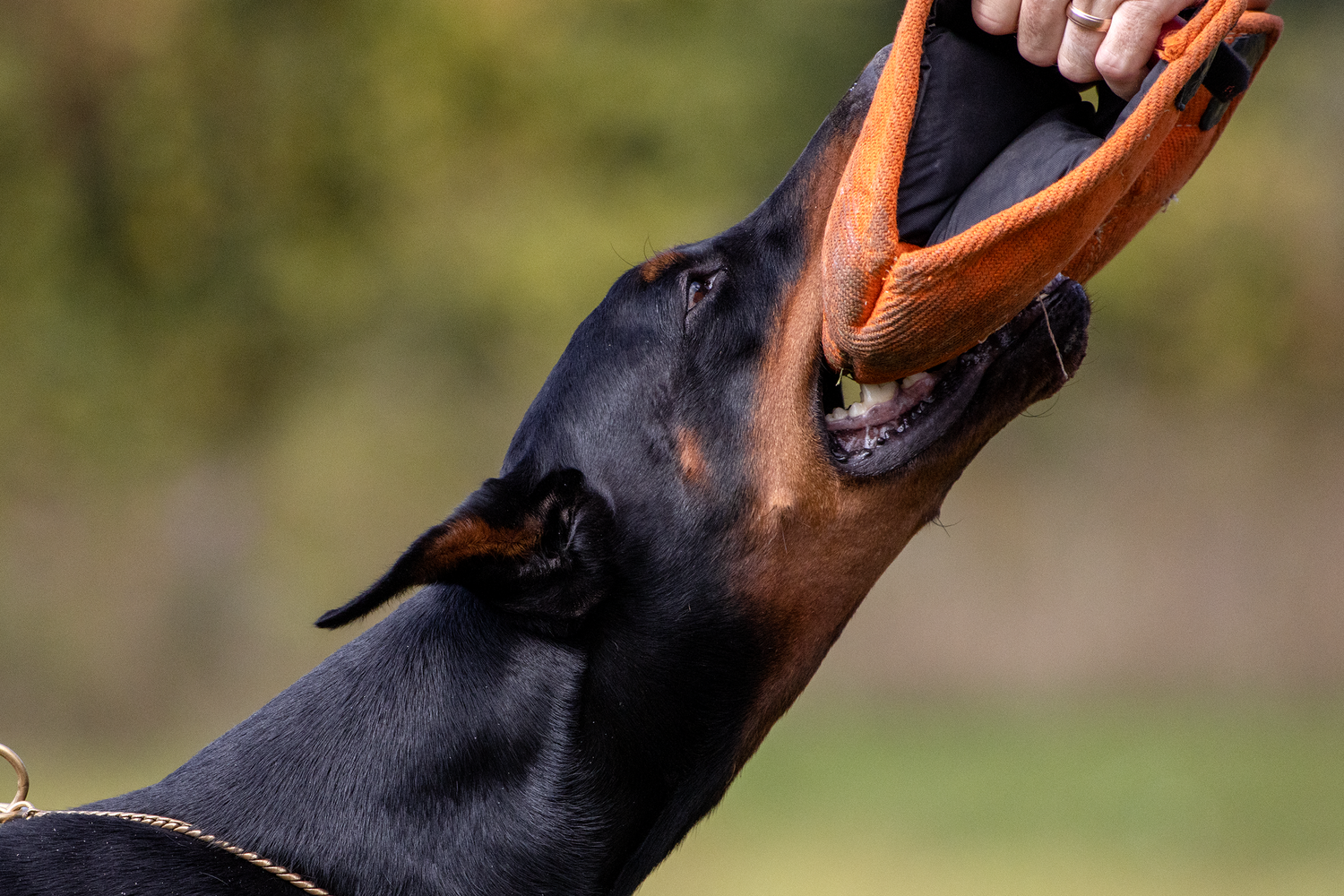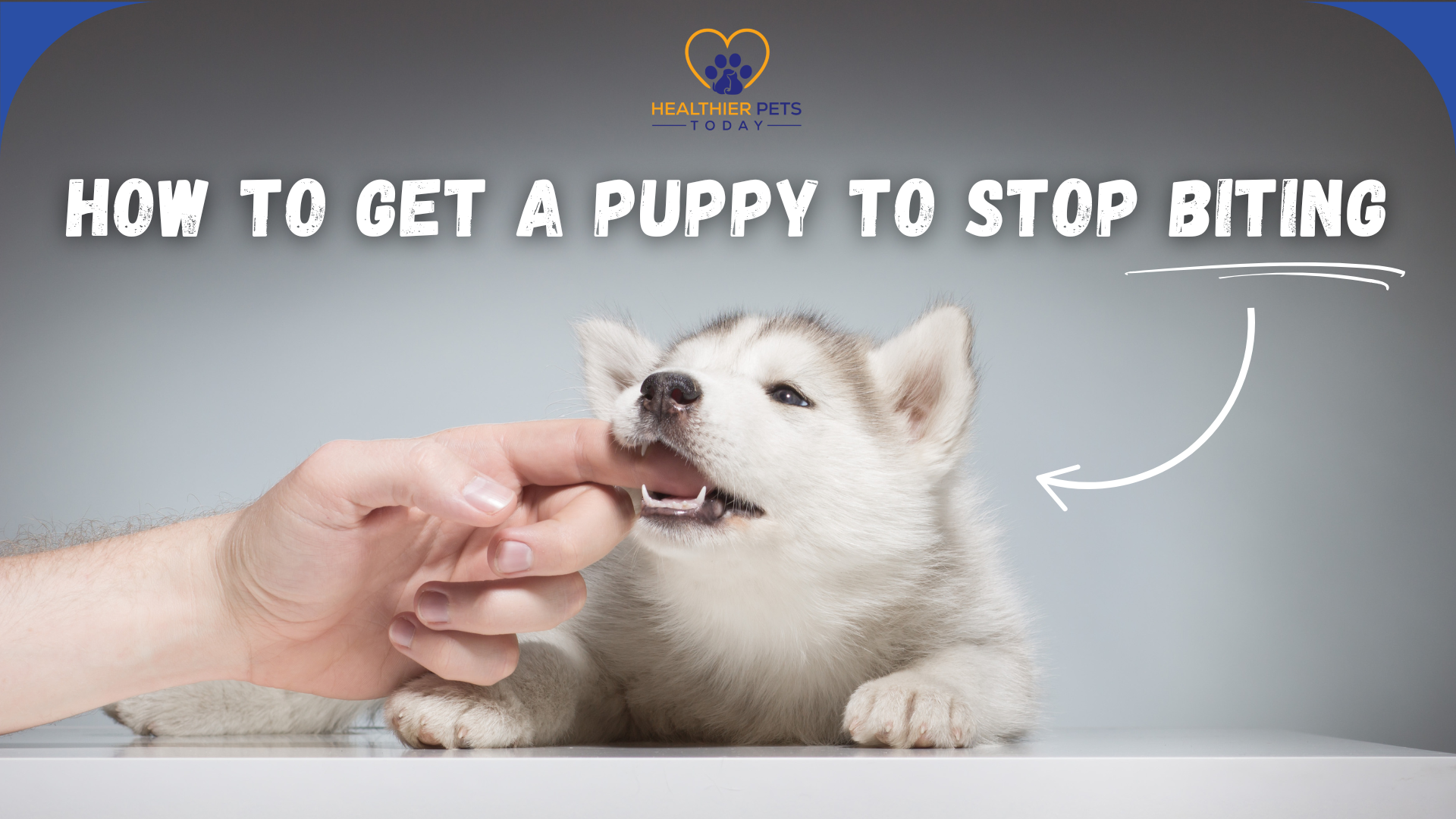
According to the American Kennel Club, early socialization and positive reinforcement during the first three months of life lay the foundation for a well-adjusted adult dog. Bringing home a young canine companion introduces boundless joy, yet it frequently arrives bundled with sharp little needle teeth and an intense aversion to walking gear. During veterinary clinic visits, practitioners routinely observe puppies launching into frenzied chewing frenzies while caregivers simply try to clip on a leash. This developmental stage requires patience, consistency, and a solid understanding of canine communication. Addressing these hurdles early transforms stressful daily routines into moments of bonding. Related guide: Home Cooked Food For Dogs With Sensitive Stomachs.
💡 Pet Care Key Takeaways:
- Core Focus: Practical health, nutrition, and wellness guidelines for What To Do To Get A 10 Week Old Puppy To Stop Biting And Like The Harness.
- Target Scope: Pet owners, animal caregivers, and veterinary support staff.
- Best Recommendation: Maintain consistent daily routines and consult an accredited veterinarian before introducing major diet or medical changes.
Addressing biting and harness resistance means guiding a developing canine through foundational behavioral milestones using positive reinforcement. At ten weeks old, little canines explore their environment primarily through their mouths, testing textures and boundaries alike. Simultaneously, strapping a piece of fabric around a sensitive chest feels entirely unnatural to an infant animal. By integrating proper techniques found within established Method training guides, households can systematically reframe these interactions. Rather than viewing these behaviors as defiance, experienced handlers recognize them as normal responses to unfamiliar stimuli that require gentle redirection.
Unchecked mouthiness and gear struggles can severely hinder socialization, limiting safe outdoor exploration crucial for healthy physical and mental maturation. When puppies experience persistent stress during leash-up sessions, they often develop a long-lasting aversion to walks, which stunts necessary cardiovascular development. Furthermore, failing to curb intense biting habits during this critical window risks turning playful nipping into an entrenched adult behavioral problem. Veterinary behaviorists emphasize that managing these challenges correctly protects the human-animal bond and ensures the puppy grows into a confident, balanced companion.
Early socialization windows close rapidly around sixteen weeks of age, making positive experiences with handling and gear critical during puppyhood. — American Kennel Club
Overcoming these common puppyhood obstacles relies on desensitization, counter-conditioning, and immediate redirection strategies. To address sharp biting, caregivers should immediately freeze, emit a high-pitched yelp to mimic littermate feedback, and redirect the puppy’s attention to an appropriate chew toy. Regarding the walking equipment, introduce the fabric gradually by associating its presence with high-value rewards, allowing the animal to sniff the straps before ever attempting to slide it over the head. Patience wins the day here; rushing the process often triggers defensive scrambling. For holistic health insights regarding young dogs, consult specialized resources under Dog Type and Health.
Mistakes to avoid include physical punishment and forcing the walking apparatus onto a struggling animal, both of which escalate fear and defensive aggression. Punishing a baby canine for mouthing only damages trust, as the animal misinterprets the reaction as aggressive play or a threat. Another frequent misstep involves leaving walking gear on unattended, which invites dangerous chewing habits. Instead, keep sessions short, positive, and paired with delicious, approved snacks that align with safe nutritional guidelines found in curated Ingredients databases.
Puppies possess deciduous teeth numbering twenty-eight, which are exceptionally sharp and cause significant discomfort during the teething process. — American Veterinary Medical Association
Pet Care & Wellness Overview Table
| Life Stage | Daily Activity Level | Key Nutrition / Care Focus |
|---|---|---|
| Puppy / Kitten | High (frequent short bursts) | High-protein growth diet & early socialization |
| Adult Companion | Moderate (30–60 mins daily) | Balanced maintenance nutrition & dental hygiene |
| Senior Pets | Low to Gentle (mindful walks) | Joint support (Glucosamine) & routine vet checks |
Images References
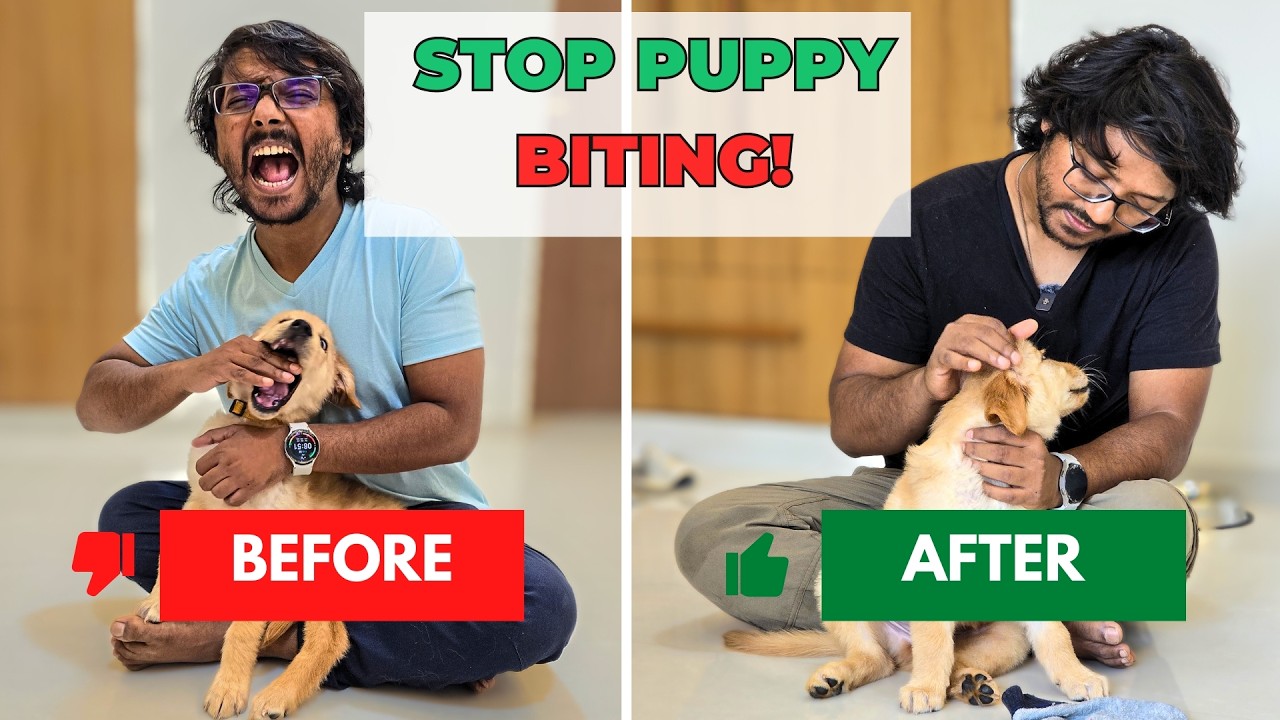


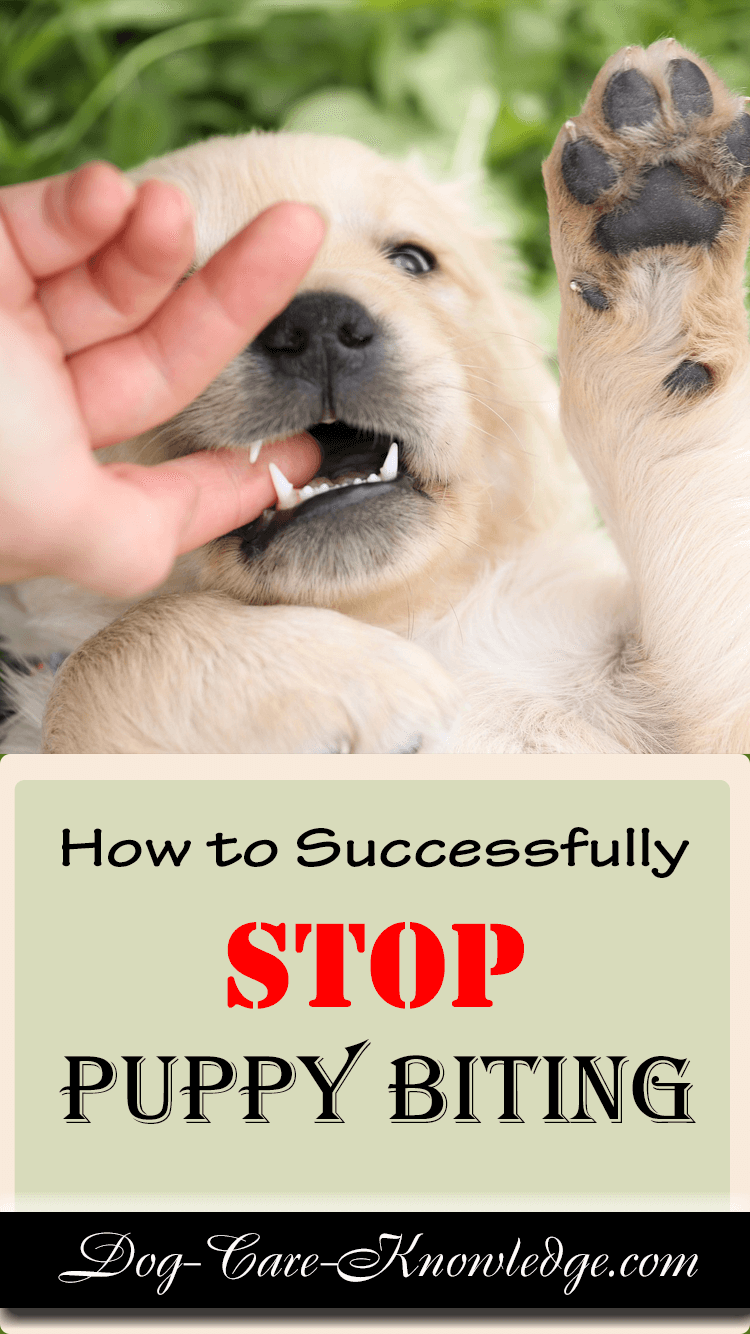



Breed, size, and individual temperament heavily influence how quickly a young canine accepts handling and gear adjustments. Miniature breeds possess delicate structures requiring ultra-lightweight walking apparatuses, whereas larger working-breed puppies might require sturdier, evenly distributed fabric to prevent chafing. Additionally, high-energy working puppies often display more intense oral fixation, demanding frequent outlets for mental stimulation during daily routines. Tailoring the approach to the specific physical traits of the dog ensures comfort and accelerates the learning curve for everyone involved.
Consulting a veterinarian or certified animal behaviorist is essential if biting becomes genuinely aggressive, breaks human skin consistently, or if gear resistance escalates into panic attacks. Underlying medical conditions, such as juvenile joint pain or hidden skin sensitivities, can make wearing restrictive equipment intensely painful for a growing animal. Professional guidance ensures that any persistent behavioral roadblock does not stem from an undiagnosed physical ailment. Always confirm specific behavioral modification plans with a qualified veterinary professional.
Guiding an infant canine through teething and gear acclimation takes dedication, but the resulting harmonious lifestyle pays off immensely down the road. By celebrating small victories and maintaining a gentle, consistent routine, households lay the groundwork for a lifetime of joyful adventures. Explore additional expert-backed advice, special event tips within Occasion, and everyday insights by visiting Home2Pet.com alongside our comprehensive General & Others archive.