Supporting senior sighthounds requires specialized nutrition tailored to their unique physiological profile.
According to the American Kennel Club, senior dogs experience gradual shifts in metabolism and muscle maintenance that demand careful dietary adjustments. For retired racing Greyhounds, aging brings unique challenges, particularly regarding joint health and lean muscle preservation. Years in high-intensity athletics leave distinct marks on their skeletal systems, making supportive nutrition essential during their golden years. Preparing fresh meals at home allows caregivers to control every single component that goes into the bowl. Observing these gentle giants in clinical settings reveals that aging sighthounds often lose interest in commercially processed kibble due to declining olfaction or dental sensitivities. Transitioning to wholesome, aromatic meals prepared right in the kitchen frequently restores their enthusiasm at feeding time. Related guide: My Puppys Keep Chewing Up Puppy Pads.
💡 Pet Care Key Takeaways:
- Core Focus: Practical health, nutrition, and wellness guidelines for At Home Recioe For Old Greyhound.
- Target Scope: Pet owners, animal caregivers, and veterinary support staff.
- Best Recommendation: Maintain consistent daily routines and consult an accredited veterinarian before introducing major diet or medical changes.
An at home recioe for old greyhound refers to a carefully balanced, home-cooked meal formulation designed specifically for aging slender sighthounds.
This culinary approach focuses on lean proteins, easily digestible carbohydrates, and targeted joint-supporting compounds that suit slender canine frames. Unlike commercial foods that rely on heavy processing, a homemade diet uses whole Ingredients to provide optimal bioavailability. Sighthounds possess a unique body condition characterized by very low body fat and thin skin, meaning nutritional deficiencies manifest rapidly. Crafting a specialized at home recioe for old greyhound ensures that the individual animal receives appropriate caloric density without unnecessary fillers. Culinary preparation also enables caregivers to tailor moisture levels, which supports kidney function and hydration in older pets who might not drink enough water independently.
Tailored nutrition directly impacts muscle mass retention, mobility, and overall vitality in senior canines.
Maintaining lean body mass remains vital because older dogs naturally undergo sarcopenia, an age-related loss of skeletal muscle tissue. High-quality amino acids found in fresh poultry and lean beef help combat this decline, keeping senior dogs steady on their long, slender legs. Furthermore, incorporating Omega-3 fatty acids reduces systemic inflammation within aging joints, which improves daily comfort. Working with fresh components also eliminates artificial preservatives and chemical colorants that can strain older organs over time. Through careful attention to the Method of preparation, caregivers preserve essential vitamins while ensuring all components are soft enough for aging teeth and gums.
Proper dietary management significantly enhances longevity and mobility in aging canine companions by reducing oxidative stress and preserving lean muscle tissue — American Kennel Club
Implementing an at home recioe for old greyhound successfully involves sourcing appropriate components and maintaining strict nutritional balance.
Every balanced formulation must feature lean proteins, cooked vegetables, and a veterinary-approved multivitamin supplement to guarantee complete nutrition. When selecting raw produce, strict vigilance is mandatory because everyday foods like onions, garlic, and grapes are highly toxic to dogs and can cause severe systemic damage. Preparing these meals typically involves gentle steaming or slow-cooking to maximize digestibility without degrading vital nutrients. It is crucial to remember that exact portion sizes and mineral ratios vary by dog size, breed, age, and health status; always confirm specific quantities with a qualified veterinarian. Careful batch cooking and proper refrigeration prevent bacterial contamination, ensuring safe daily consumption for a fragile senior pet.
Careful attention to formulation details prevents nutritional deficiencies and digestive upsets in sensitive seniors.
One frequent oversight involves feeding pure muscle meat without adequate calcium sources, which leads to mineral imbalances over time. Additionally, introducing new whole foods too quickly can trigger acute gastrointestinal distress in dogs with delicate stomachs. Clinical practice shows that sighthounds frequently have sensitive digestive tracts that require gradual transitions lasting up to ten days. Every dog owner should consult a veterinary nutritionist to review their chosen at home recioe for old greyhound before making it a dietary staple. Keeping a detailed food diary helps track how the senior dog responds to specific proteins or carbohydrate sources, ensuring optimal health outcomes.
The Association of American Feed Control Officials establishes strict nutrient profiles to ensure that home-prepared or commercial diets meet complete and balanced standards for canine health — AAFCO
Pet Care & Wellness Overview Table
| Life Stage | Daily Activity Level | Key Nutrition / Care Focus |
|---|---|---|
| Puppy / Kitten | High (frequent short bursts) | High-protein growth diet & early socialization |
| Adult Companion | Moderate (30–60 mins daily) | Balanced maintenance nutrition & dental hygiene |
| Senior Pets | Low to Gentle (mindful walks) | Joint support (Glucosamine) & routine vet checks |
Images References
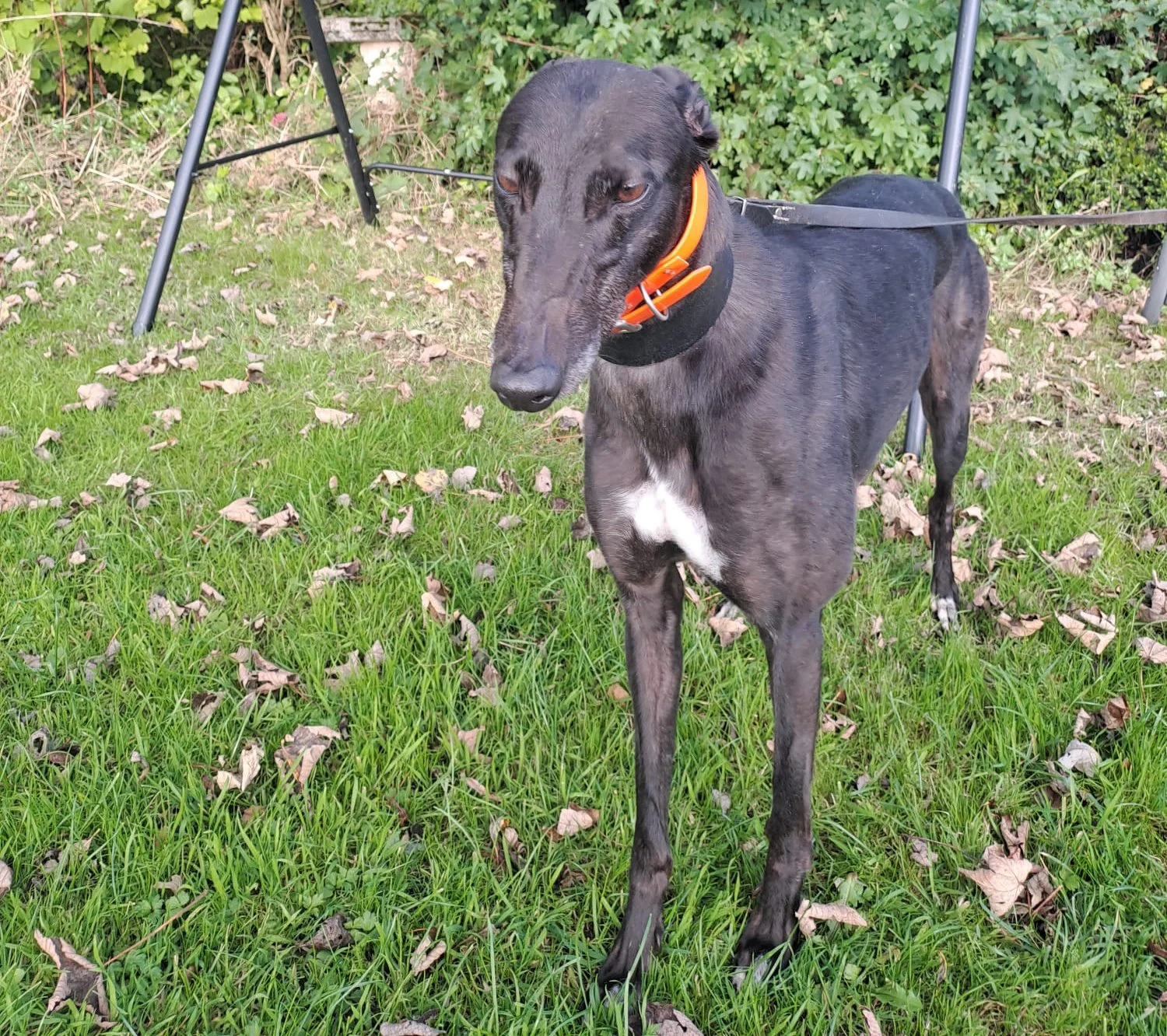
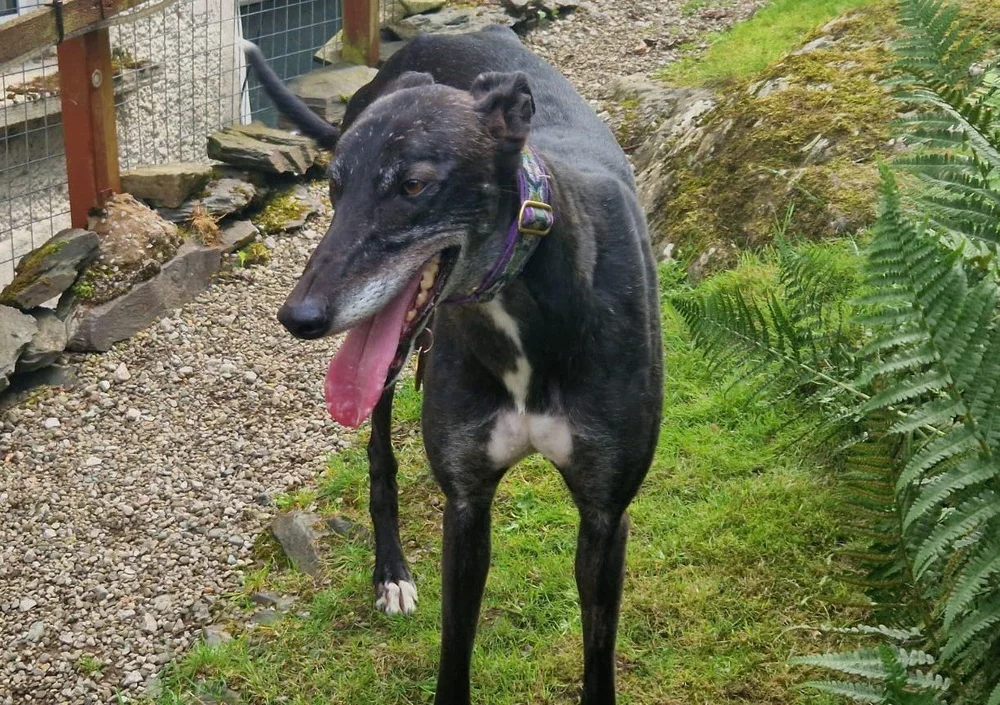
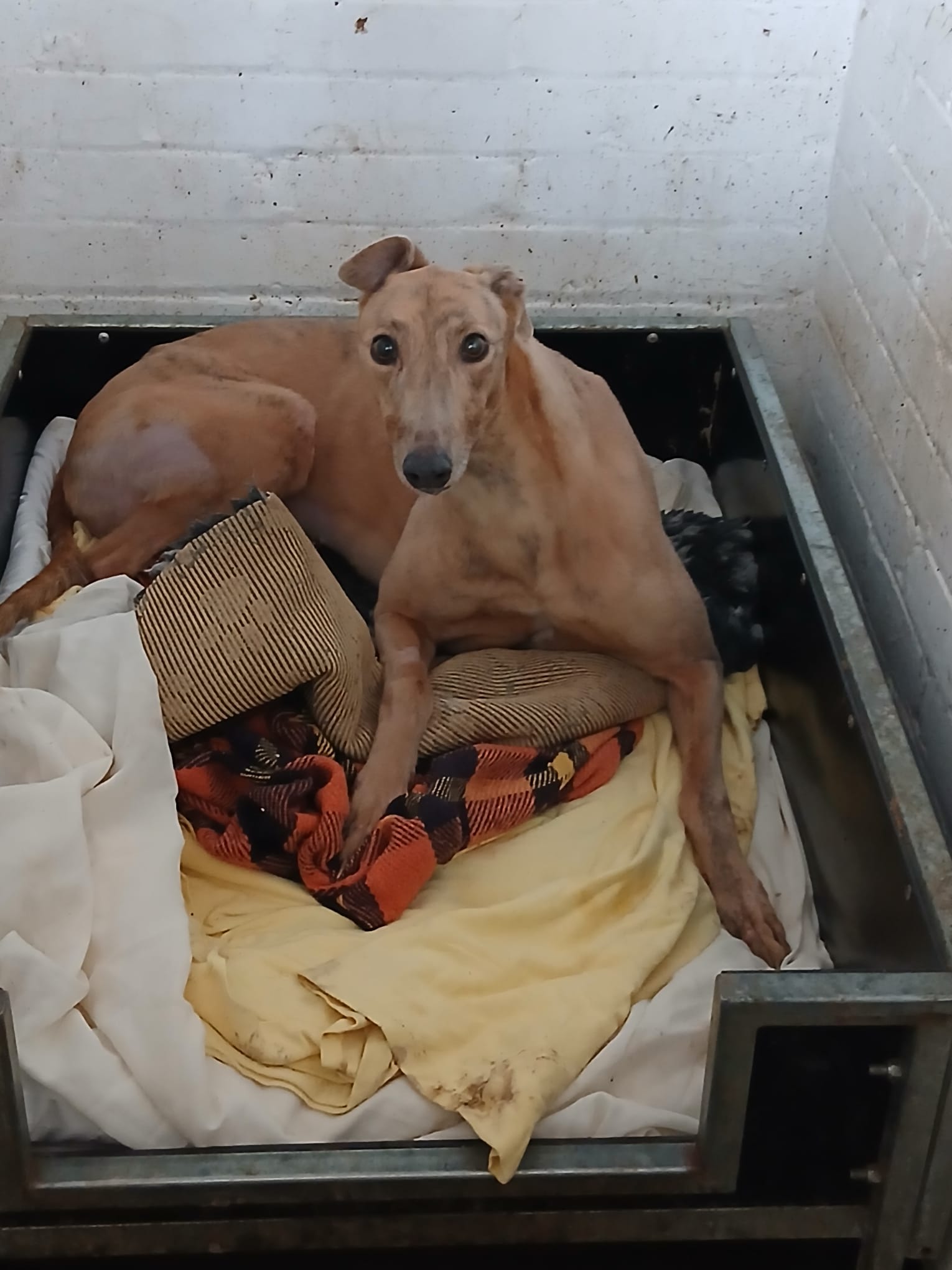




Breed-specific physiological traits require special considerations regarding body fat distribution and metabolic rate.
Greyhounds possess a uniquely low percentage of body fat, a specialized cardiovascular system, and distinct blood chemistry values compared to other breeds. These physiological traits mean that standard nutritional calculators often fail to provide accurate caloric targets for a slender senior. Exploring resources within Dog Type and Health helps owners understand how breed-specific metabolism influences daily energy requirements. Kidney function must also be monitored closely in geriatric sighthounds, as excessive phosphorus or sodium can accelerate renal decline. Adjusting protein levels under professional guidance ensures the aging organs are not overworked while still supporting daily vigor.
Professional veterinary guidance remains non-negotiable when designing a long-term homemade nutrition plan.
A veterinarian must evaluate the senior dog’s current blood work, organ function, and joint health before any permanent diet change takes place. Conditions such as early-stage kidney disease, liver dysfunction, or food allergies require highly specialized nutritional modifications that general recipes cannot address. Caregivers should schedule regular wellness checks to assess weight fluctuations, muscle condition, and overall vitality. If a senior dog displays lethargy, persistent vomiting, or sudden weight loss, immediate veterinary intervention is required rather than adjusting the home recipe independently. Collaborative healthcare ensures that dietary choices genuinely support a comfortable, dignified aging process.
Thoughtful home cooking transforms the golden years of a beloved companion into a time of comfort and culinary delight.
Nourishing an aging sighthound with carefully prepared meals is a profound act of devotion that strengthens the bond between pet and owner. Whether preparing special meals for a quiet Occasion or maintaining an everyday wellness routine, reliable information makes all the difference. Visit Home2Pet.com and explore resources across General & Others to discover more ways to support your canine family member throughout every stage of life.