Flea Medication for Small Dogs
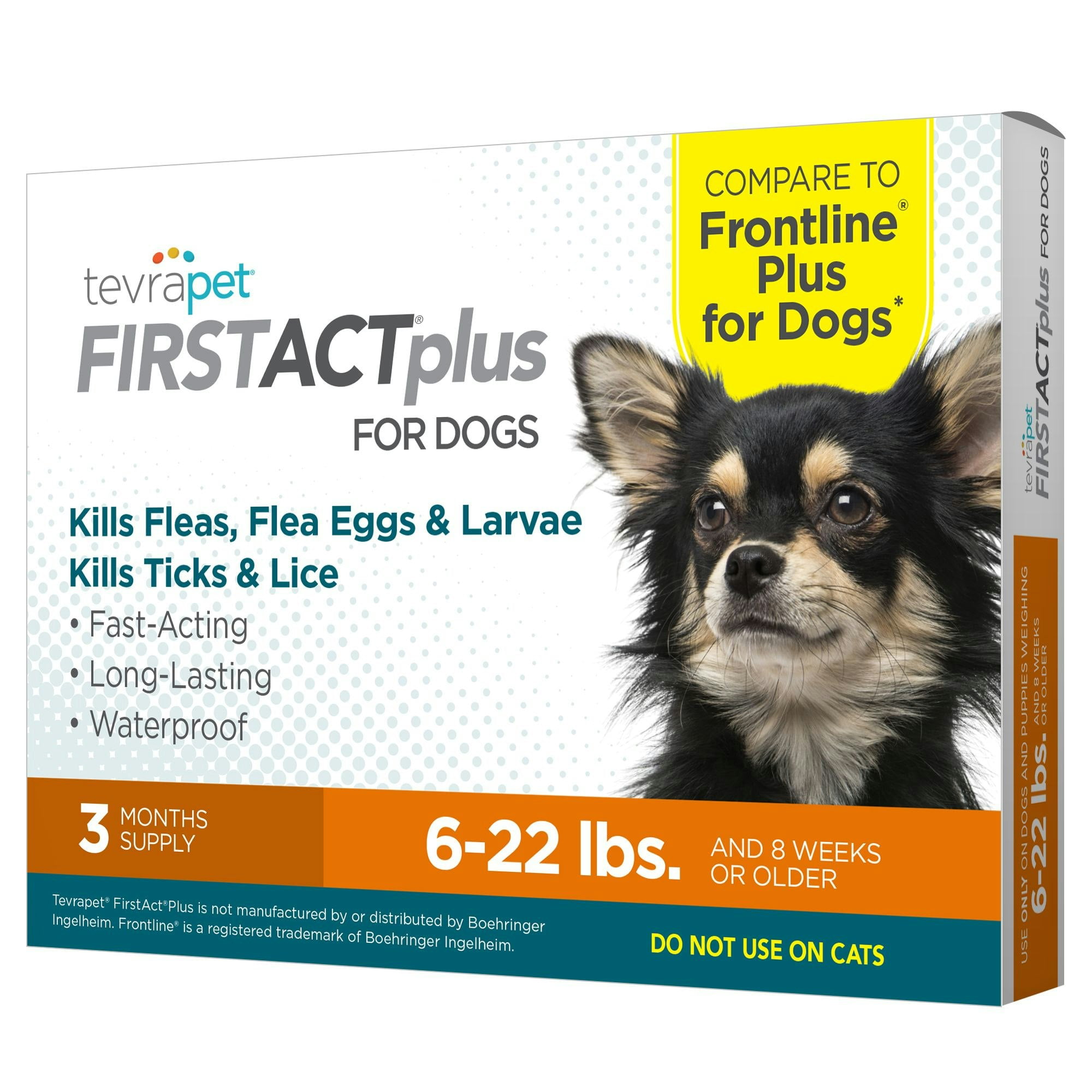
Fleas are a common nuisance for dog owners, and small dogs are particularly vulnerable to the discomfort and health risks associated with these pesky parasites. Choosing the right flea medication for small dogs is essential for their well-being. Flea infestations can lead to intense itching, scratching, and even skin infections. In severe cases, fleas can cause anemia, especially in puppies or very small breeds. Beyond the immediate discomfort, fleas can also transmit diseases and parasites, posing a significant threat to your dog’s overall health. Ignoring a flea problem can quickly escalate, making it harder to control and potentially affecting the entire household. Therefore, proactive flea prevention and treatment are crucial aspects of responsible pet ownership, ensuring your small dog enjoys a happy and healthy life, free from the irritation and dangers associated with fleas. Choosing the correct medication will significantly reduce the chances of a flea infestation.
💡 Pet Care Key Takeaways:
- Core Focus: Practical health, nutrition, and wellness guidelines for Flea Medication For Small Dogs.
- Target Scope: Pet owners, animal caregivers, and veterinary support staff.
- Best Recommendation: Maintain consistent daily routines and consult an accredited veterinarian before introducing major diet or medical changes.
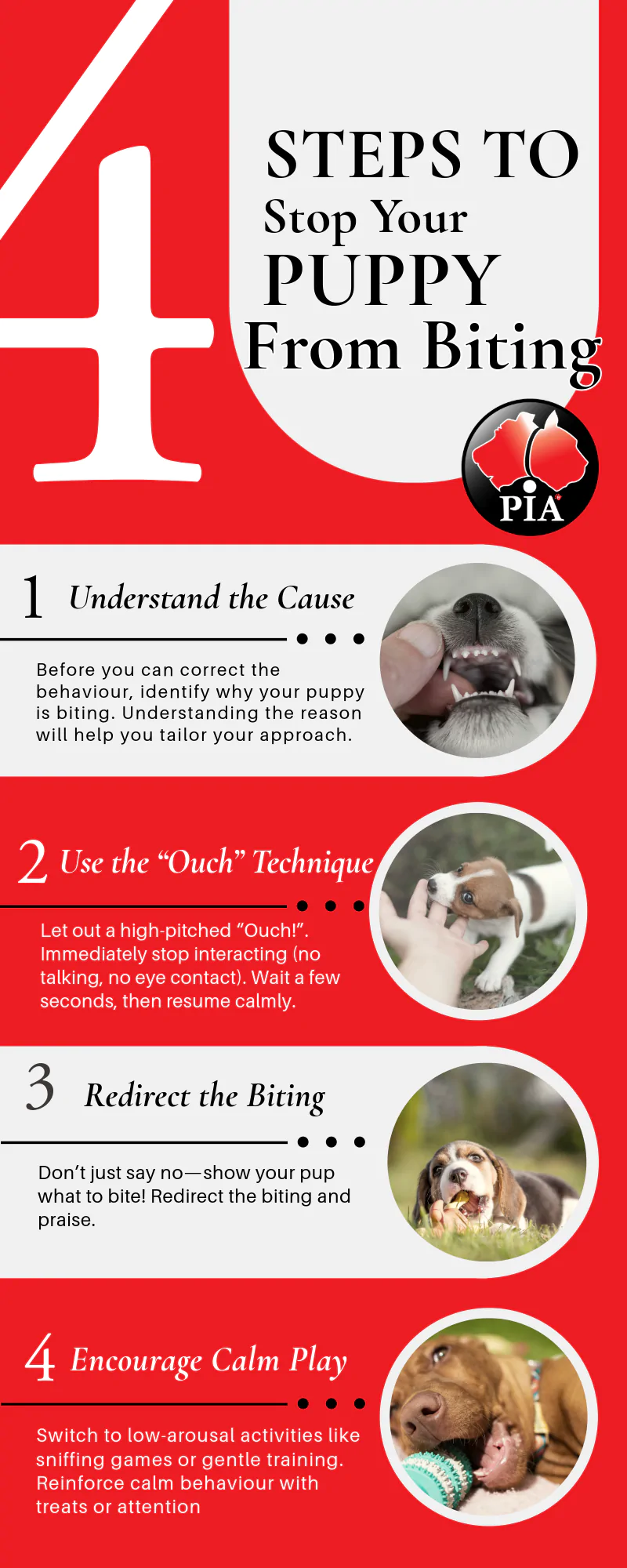
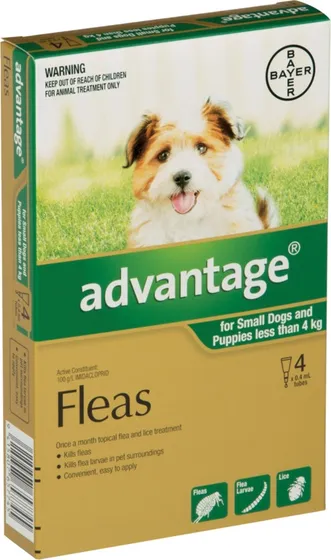
The benefits of using flea medication for small dogs extend far beyond simply eliminating fleas. Effective flea control reduces the risk of flea allergy dermatitis, a common allergic reaction to flea saliva that causes intense itching and skin inflammation. Preventing flea bites also minimizes the chances of your dog contracting tapeworms, which can be transmitted by fleas. Moreover, protecting your small dog from fleas safeguards your home from infestation, preventing fleas from spreading to carpets, furniture, and even humans. When selecting a flea medication, consider factors such as your dog’s age, weight, and overall health. Consult with your veterinarian to determine the most appropriate and safest option for your small breed. Different types of flea medication are available, including topical treatments, oral medications, and flea collars, each with its own advantages and disadvantages. Always follow the instructions carefully and be aware of any potential side effects. Early detection and treatment are key to keeping your dog healthy. Related guide: How To Get Puppy To Stop Biting Furniture.
As a dog owner, you can take proactive steps to protect your small dog from fleas. Regular grooming helps detect fleas early on. Use a flea comb to check your dog’s fur, paying close attention to areas like the base of the tail and around the ears. Wash your dog’s bedding regularly in hot water to kill any fleas or eggs that may be present. Vacuum your carpets and furniture frequently, especially in areas where your dog spends a lot of time. Consider using flea traps indoors to monitor flea activity. Maintaining a clean and hygienic environment both indoors and outdoors can help reduce the risk of flea infestations. Talk to your veterinarian about year-round flea prevention, even during the colder months, as fleas can survive indoors. Remember that a proactive approach to flea control is the best way to ensure your small dog’s comfort and well-being. Don’t wait until you see fleas to act. Start proactively.
Pet Care & Wellness Overview Table
| Life Stage | Daily Activity Level | Key Nutrition / Care Focus |
|---|---|---|
| Puppy / Kitten | High (frequent short bursts) | High-protein growth diet & early socialization |
| Adult Companion | Moderate (30–60 mins daily) | Balanced maintenance nutrition & dental hygiene |
| Senior Pets | Low to Gentle (mindful walks) | Joint support (Glucosamine) & routine vet checks |
Images References




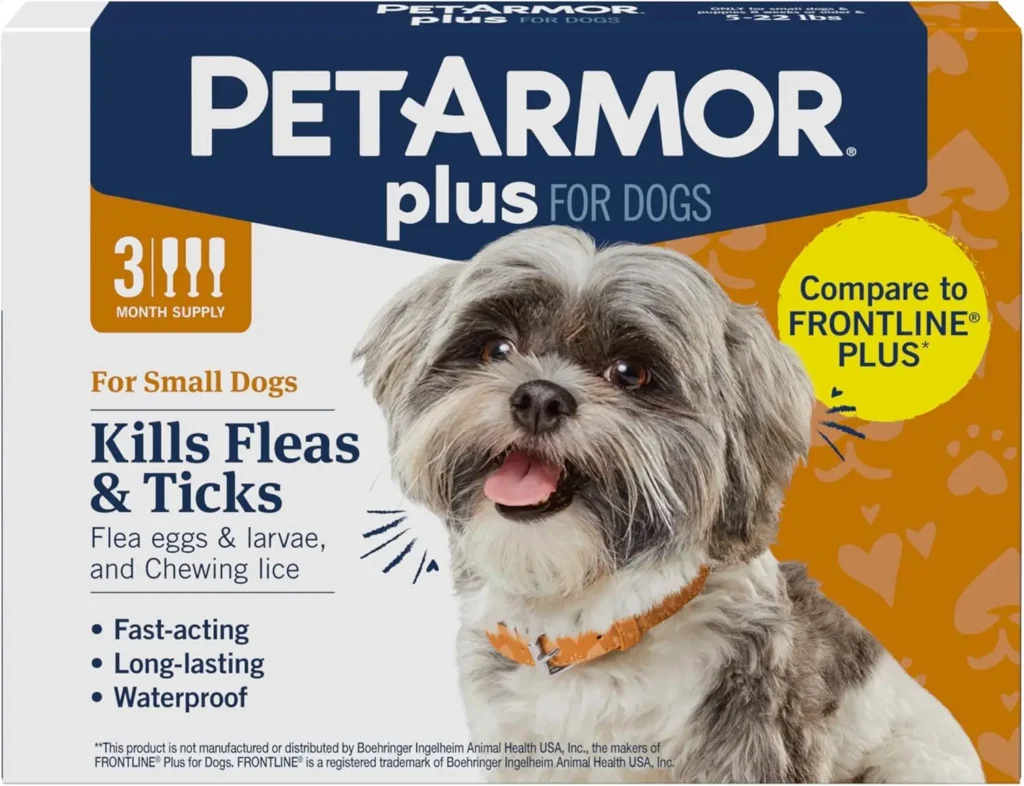

For more expert pet care tips and advice, check out our dedicated Dog Type and Health guides to keep your companions healthy and happy.