Healthiest Homemade Dog Food Recipes
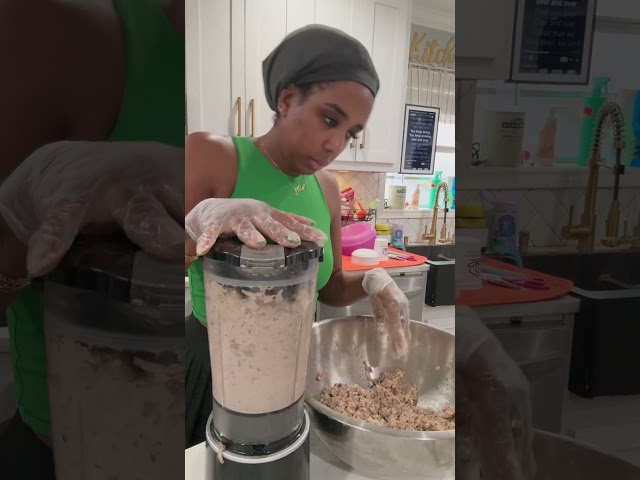
Providing our canine companions with optimal nutrition is a top priority for responsible dog owners. While commercial dog food offers convenience, many are turning to homemade options to ensure their furry friends receive the highest quality ingredients. Exploring the world of healthiest homemade dog food recipes opens up a realm of possibilities to tailor meals specifically to your dogs individual needs, addressing sensitivities, allergies, or specific health concerns. Homemade dog food allows you complete control over what goes into your dog’s bowl, avoiding artificial preservatives, fillers, and questionable additives often found in commercial brands. This control can be particularly crucial for dogs with digestive issues or sensitivities to common ingredients like corn, wheat, or soy. By preparing your own dog food, you can use fresh, whole foods, providing a balanced diet rich in essential vitamins, minerals, and antioxidants. More and more pet parents are discovering the benefits of creating customized meals for their beloved pups, improving their overall health and vitality. Whether you are seeking a grain-free option, a high-protein diet, or simply a way to offer your dog a more palatable meal, homemade dog food recipes can be the answer.
💡 Pet Care Key Takeaways:
- Core Focus: Practical health, nutrition, and wellness guidelines for Healthiest Homemade Dog Food Recipes.
- Target Scope: Pet owners, animal caregivers, and veterinary support staff.
- Best Recommendation: Maintain consistent daily routines and consult an accredited veterinarian before introducing major diet or medical changes.
The health benefits of healthiest homemade dog food recipes are numerous. By using fresh, whole ingredients, you can ensure your dog receives optimal levels of essential nutrients, contributing to a shinier coat, increased energy levels, and improved digestion. Many owners report a reduction in allergy symptoms and skin problems after switching to a homemade diet. Furthermore, creating your own dog food allows you to adjust the macronutrient ratios to suit your dogs specific needs, such as increasing protein for active dogs or reducing fat for weight management. However, it’s essential to approach homemade dog food preparation with caution and knowledge. Consulting with a veterinary nutritionist is crucial to ensure your recipes are nutritionally complete and balanced. Dogs require specific ratios of protein, carbohydrates, fats, vitamins, and minerals, and deficiencies can lead to serious health problems. Key considerations include the quality of ingredients, proper portion sizes, and safe food handling practices. Always use fresh, human-grade ingredients and avoid toxic foods like chocolate, grapes, onions, and garlic. Properly store homemade dog food to prevent spoilage and bacterial contamination. With careful planning and the guidance of a professional, homemade dog food can be a healthy and rewarding way to nourish your canine companion. Related guide: How To Discipline Pomeranian Puppy Of Age 3-4 Months For Not Biting?.
For dog owners looking to embark on the journey of creating healthiest homemade dog food recipes, there are several key tips to keep in mind. First and foremost, prioritize balanced nutrition above all else. A simple recipe of cooked chicken and rice may be palatable but lacks the essential vitamins and minerals your dog needs to thrive. Always supplement your recipes with a canine-specific multivitamin and mineral supplement, as recommended by your veterinarian. Secondly, introduce new foods gradually to avoid digestive upset. Start by mixing small amounts of homemade food with your dogs regular kibble and slowly increase the proportion over several days or weeks. Monitor your dog for any signs of allergies or intolerances, such as itching, vomiting, or diarrhea. Finally, invest in quality kitchen equipment and storage containers. A food scale will help you accurately measure ingredients and portions, while airtight containers will keep your homemade food fresh and safe in the refrigerator or freezer. Remember that creating the healthiest diet requires time, effort, and careful attention to detail, but the rewards of a healthier, happier dog are well worth the investment.
Youtube Video:

Pet Care & Wellness Overview Table
| Life Stage | Daily Activity Level | Key Nutrition / Care Focus |
|---|---|---|
| Puppy / Kitten | High (frequent short bursts) | High-protein growth diet & early socialization |
| Adult Companion | Moderate (30–60 mins daily) | Balanced maintenance nutrition & dental hygiene |
| Senior Pets | Low to Gentle (mindful walks) | Joint support (Glucosamine) & routine vet checks |
Images References :
For more expert pet care tips and advice, check out our dedicated Dog Type and Health guides to keep your companions healthy and happy.