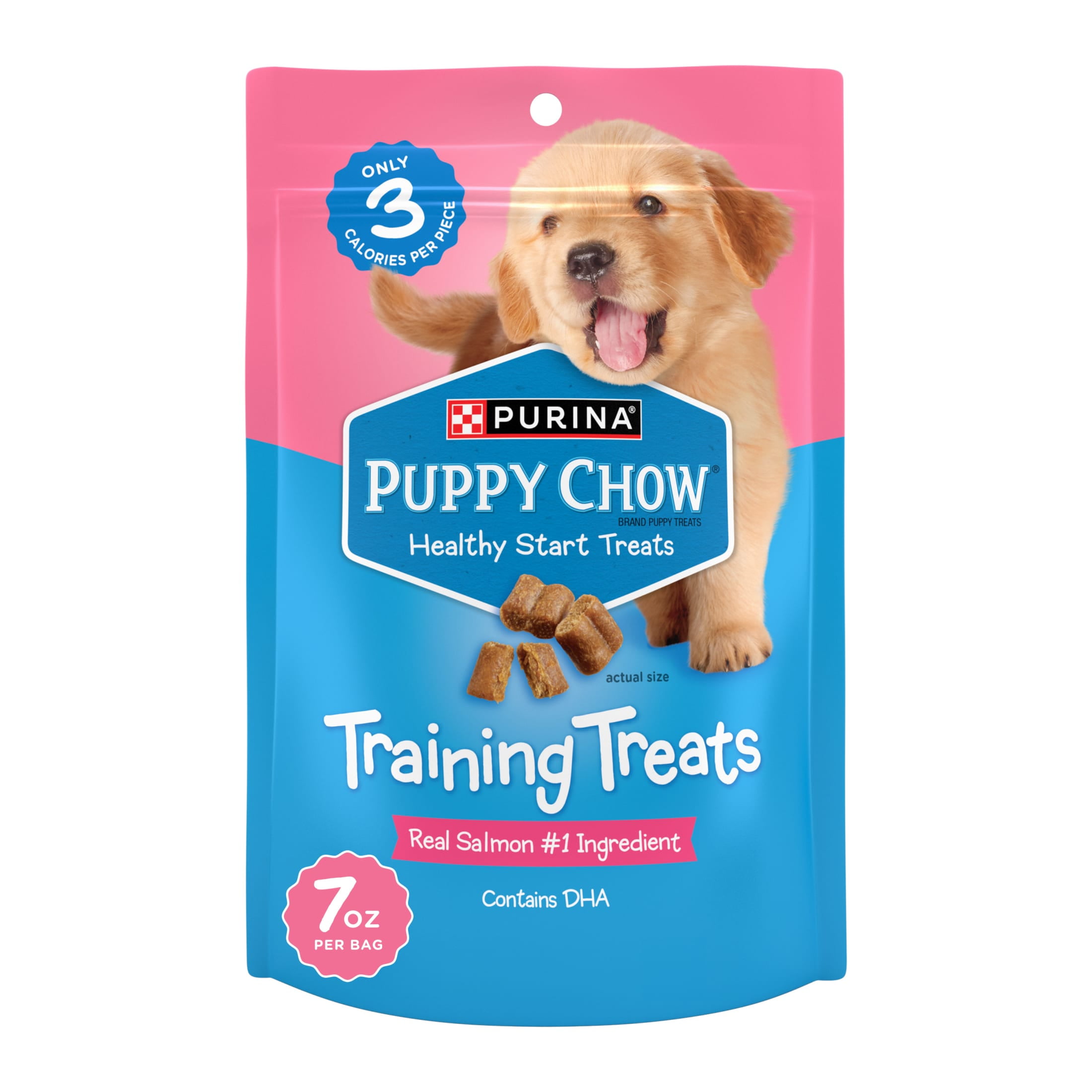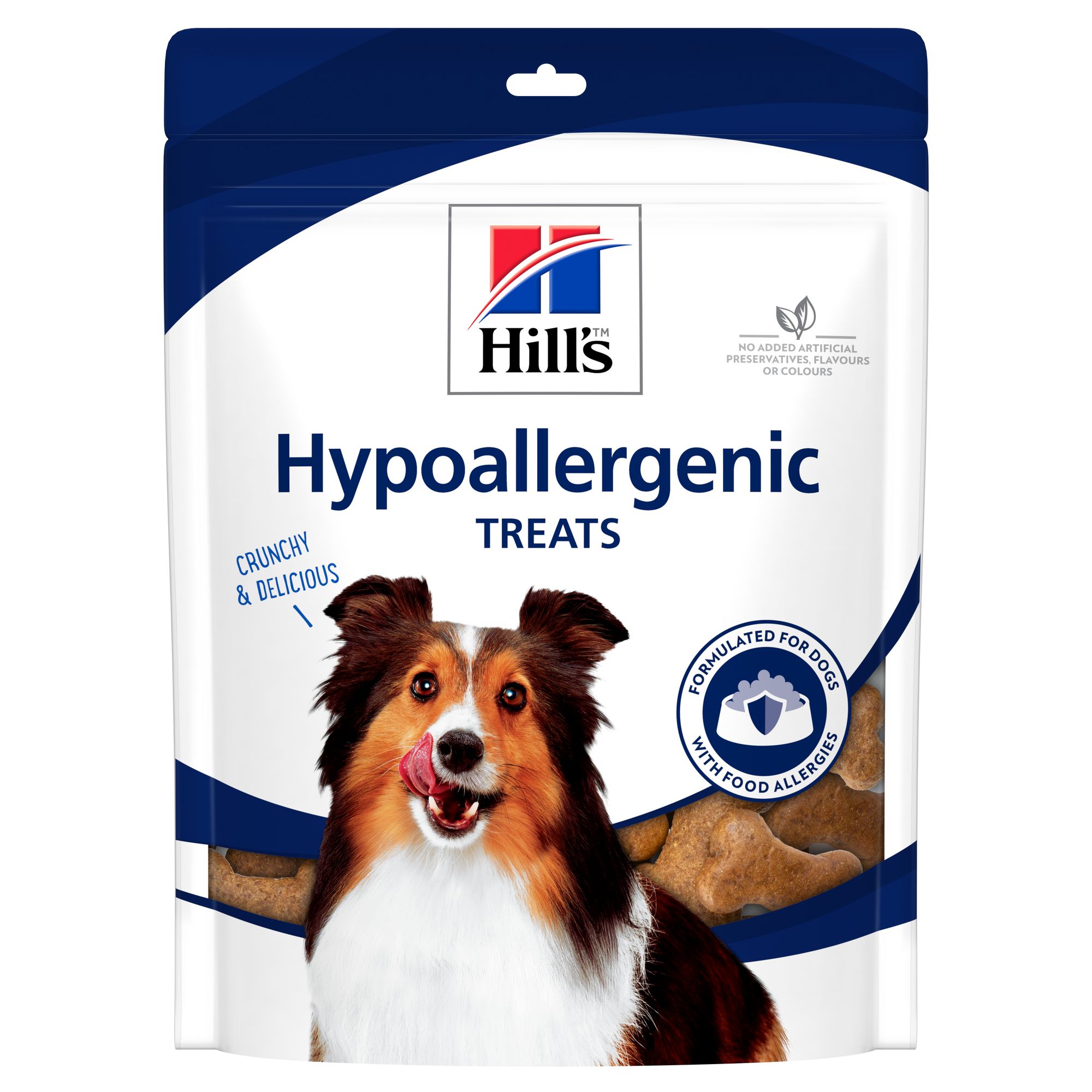
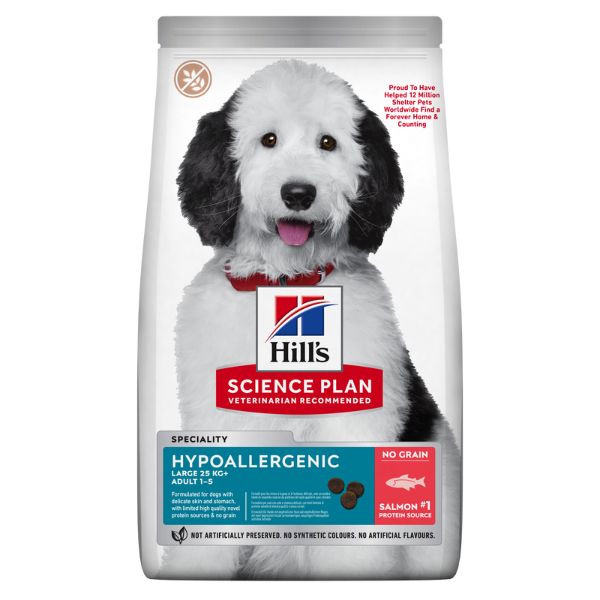
Hill’s Hypoallergenic Dog Food
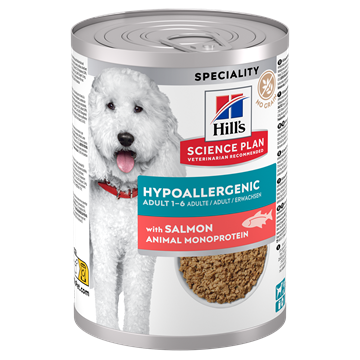
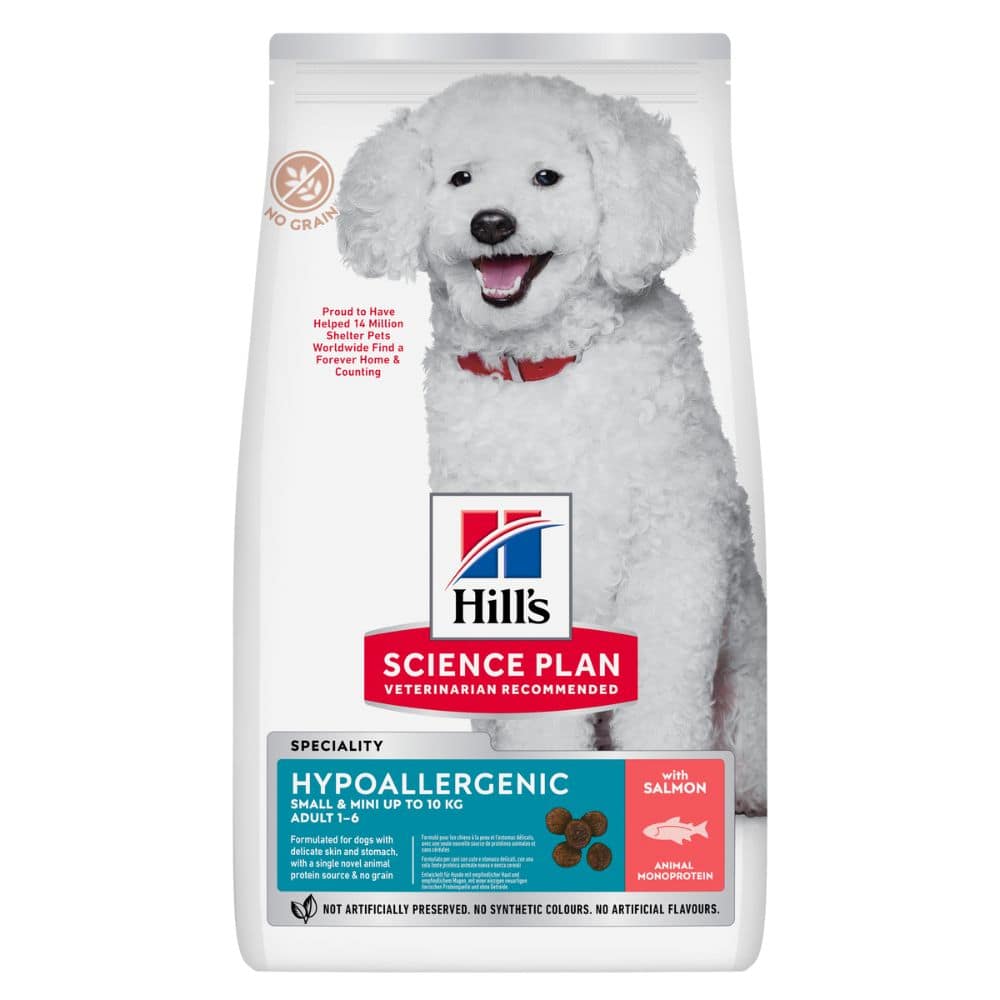
For dog owners grappling with allergies and sensitivities, finding the right food can feel like a never-ending quest. It’s heartbreaking to watch your furry friend suffer from constant itching, skin irritations, or digestive upset. That’s where Hill’s Hypoallergenic Dog Food comes in, offering a potential solution for managing these frustrating symptoms. But why is hypoallergenic food so important for some dogs? The answer lies in the ingredients. Many commercially available dog foods contain common allergens like beef, chicken, dairy, or wheat, which can trigger adverse reactions in sensitive dogs. Hill’s Hypoallergenic formulas are carefully crafted to minimize these risks by using novel protein sources or extensively hydrolyzed proteins. These specialized ingredients are less likely to be recognized by the dog’s immune system as a threat, thus reducing the likelihood of an allergic response. Ultimately, choosing the right food is paramount to your dog’s health and happiness, and Hill’s Hypoallergenic Dog Food can be a valuable tool in managing food sensitivities.
💡 Pet Care Key Takeaways:
- Core Focus: Practical health, nutrition, and wellness guidelines for Hill's Hypoallergenic Dog.
- Target Scope: Pet owners, animal caregivers, and veterinary support staff.
- Best Recommendation: Maintain consistent daily routines and consult an accredited veterinarian before introducing major diet or medical changes.
The benefits of feeding your dog Hill’s Hypoallergenic Dog Food extend beyond simply alleviating allergy symptoms. A hypoallergenic diet can significantly improve your dog’s overall quality of life. Imagine your dog finally free from the constant urge to scratch, their skin clear and healthy, and their digestive system functioning smoothly. This can lead to increased energy levels, a happier disposition, and a stronger bond between you and your canine companion. Key considerations when choosing a hypoallergenic food include consulting with your veterinarian to confirm a food allergy diagnosis and identify the specific allergens to avoid. It’s also crucial to transition your dog to the new food gradually to minimize digestive upset. Read the ingredient list carefully and choose a formula that aligns with your veterinarian’s recommendations. Hill’s Hypoallergenic Dog Food offers a range of options, including formulas with hydrolyzed protein and limited ingredient diets, allowing you to find the perfect fit for your dog’s unique needs. Remember, consistency is key stick to the hypoallergenic diet to prevent future flare-ups and maintain your dog’s well-being. Related guide: How To Teach Puppy Not To Chew Things.
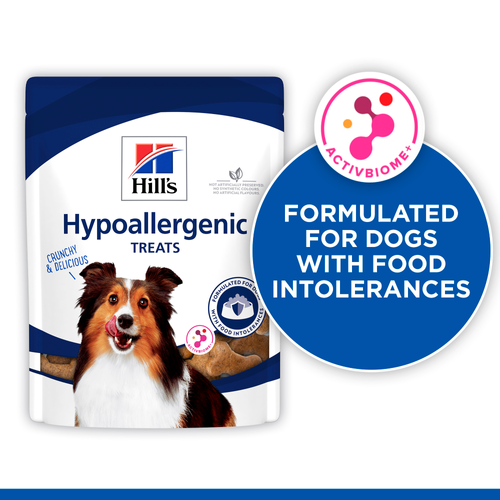
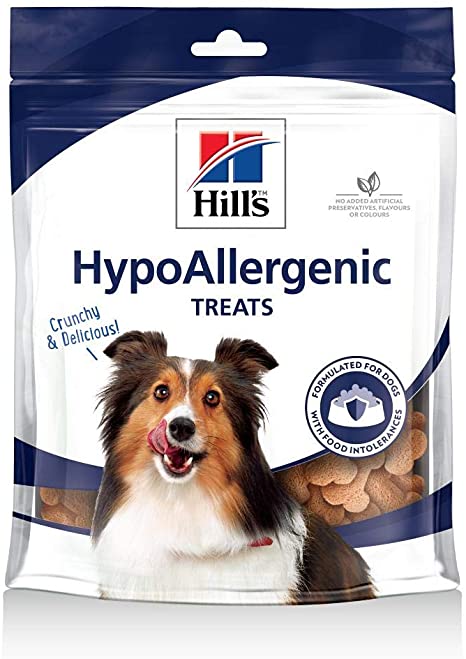
When transitioning your dog to Hill’s Hypoallergenic Dog Food, start slowly by mixing small amounts of the new food with their old food, gradually increasing the proportion of the hypoallergenic food over several days or even a week. This allows your dog’s digestive system to adjust and minimizes the risk of diarrhea or vomiting. Always provide fresh water and monitor your dog for any changes in their behavior or bowel movements. Avoid giving your dog treats or snacks that contain potential allergens, as this can undo the benefits of the hypoallergenic diet. Instead, opt for hypoallergenic treats or vegetables approved by your veterinarian. Remember to store the food in a cool, dry place to maintain its freshness and nutritional value. By following these tips, you can help your dog successfully transition to Hill’s Hypoallergenic Dog Food and experience the benefits of a specially formulated diet designed to address their food sensitivities. Remember to always consult your vet before making any changes to your dogs diet.
Youtube Video:

Pet Care & Wellness Overview Table
| Life Stage | Daily Activity Level | Key Nutrition / Care Focus |
|---|---|---|
| Puppy / Kitten | High (frequent short bursts) | High-protein growth diet & early socialization |
| Adult Companion | Moderate (30–60 mins daily) | Balanced maintenance nutrition & dental hygiene |
| Senior Pets | Low to Gentle (mindful walks) | Joint support (Glucosamine) & routine vet checks |
Images References




For more expert pet care tips and advice, check out our dedicated Dog Type and Health guides to keep your companions healthy and happy.