How to Get a Puppy From Stop Biting
Bringing a new puppy home is an incredibly exciting experience. Their boundless energy and playful antics fill our lives with joy. However, one common challenge that many new puppy owners face is nipping and biting. This behavior, while often playful, can be painful and concerning. Understanding why puppies bite and learning effective strategies to redirect this behavior is crucial for building a strong, positive relationship with your furry friend. “Stop biting” isn’t just about teaching a dog a command; it’s about communicating effectively and providing appropriate outlets for their natural instincts. Ignoring puppy biting can lead to more serious behavioral issues down the road, emphasizing the importance of addressing it early and consistently. This article will provide you with valuable insights and practical techniques to help your puppy learn appropriate behavior and redirect their biting tendencies.
💡 Pet Care Key Takeaways:
- Core Focus: Practical health, nutrition, and wellness guidelines for How Do You Get A Puppy From Stop Biting.
- Target Scope: Pet owners, animal caregivers, and veterinary support staff.
- Best Recommendation: Maintain consistent daily routines and consult an accredited veterinarian before introducing major diet or medical changes.
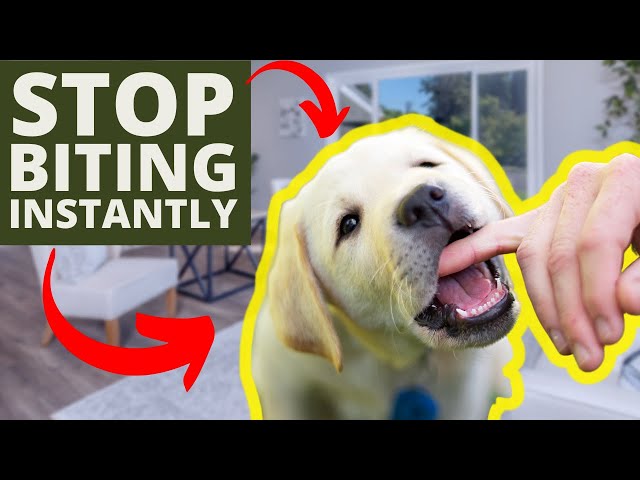
One of the most effective ways to address puppy biting is to understand the underlying reasons behind it. Puppies explore the world with their mouths, much like human babies. Biting can be a form of play, a way to relieve teething discomfort, or even a way to get attention. Recognizing the motivation behind the biting is essential for implementing the right strategies. For example, if your puppy is biting due to teething, providing appropriate chew toys can offer a safe and satisfying outlet. When your puppy nips during play, a sharp “Ouch!” followed by a brief pause in the game can signal that the biting is unacceptable. Consistency is key here; every member of the household needs to react in the same way to the puppy’s biting. Positive reinforcement, such as rewarding gentle behavior with treats and praise, can also be a powerful tool in discouraging biting. Remember that “stop biting” is a process that requires patience and understanding. Related guide: Dog Kidney Disease Homemade Food.
Alongside addressing the biting behavior directly, it’s important to provide your puppy with ample opportunities for socialization and exercise. Socialization helps puppies learn how to interact appropriately with other dogs and people, reducing the likelihood of fear-based biting. Enrolling in puppy classes can be a great way to expose your puppy to new experiences in a controlled environment. Adequate exercise is also essential for managing your puppy’s energy levels and reducing boredom, which can contribute to biting. A tired puppy is often a well-behaved puppy. Providing plenty of chew toys and puzzle toys can also keep your puppy mentally stimulated and prevent them from resorting to biting out of boredom. Remember, teaching a puppy to “stop biting” requires a holistic approach that addresses their physical and mental needs.
Youtube Video:
Pet Care & Wellness Overview Table
| Life Stage | Daily Activity Level | Key Nutrition / Care Focus |
|---|---|---|
| Puppy / Kitten | High (frequent short bursts) | High-protein growth diet & early socialization |
| Adult Companion | Moderate (30–60 mins daily) | Balanced maintenance nutrition & dental hygiene |
| Senior Pets | Low to Gentle (mindful walks) | Joint support (Glucosamine) & routine vet checks |
Images References :
For more expert pet care tips and advice, check out our dedicated Dog Type and Health guides to keep your companions healthy and happy.