How to Stop a Teething Puppy From Biting
Bringing a new puppy into your home is an exciting experience, filled with cuddles and playful antics. However, the joy can sometimes be overshadowed by the sharp little teeth of a teething puppy. Teething is a natural and necessary process where puppies develop their adult teeth, typically between three and six months of age. During this period, your puppy’s gums become inflamed and sore, leading them to seek relief through chewing and, unfortunately, biting. Understanding why your puppy is biting and learning effective strategies to redirect this behavior is crucial for both your sanity and your puppy’s development. Properly addressing biting during teething will not only protect your furniture and skin, but will also help your puppy learn appropriate boundaries and develop into a well-behaved adult dog. Neglecting this important stage can lead to behavioral problems later in life, making it all the more important to address the issue of how to stop a teething puppy from biting early on.
💡 Pet Care Key Takeaways:
- Core Focus: Practical health, nutrition, and wellness guidelines for How To Stop A Teething Puppy From Biting.
- Target Scope: Pet owners, animal caregivers, and veterinary support staff.
- Best Recommendation: Maintain consistent daily routines and consult an accredited veterinarian before introducing major diet or medical changes.
The primary reason puppies bite during teething is to alleviate the discomfort of erupting teeth. The pressure from chewing can help to soothe their inflamed gums, providing a temporary sense of relief. However, biting can quickly become a habit if not addressed properly. It’s essential to differentiate between playful nipping and aggressive biting. Playful nipping is generally less forceful and often accompanied by other playful behaviors. Aggressive biting, on the other hand, is usually more intense and may be accompanied by warning signs such as growling or snapping. When dealing with a teething puppy, focus on redirecting their biting behavior towards appropriate chew toys. Offer a variety of textures and materials to find what your puppy prefers. Frozen toys or damp cloths can be particularly soothing for sore gums. Regularly rotate the toys to keep your puppy interested and prevent boredom. Remember, consistency is key; every time your puppy starts to bite, redirect them to an acceptable chew toy. Learning how to stop a teething puppy from biting takes patience and persistence, but it’s well worth the effort. Related guide: How To Get Puppy To Stop Biting Furniture.
Besides providing chew toys, there are several other strategies you can employ to manage a teething puppy’s biting. Firstly, ensure your puppy gets plenty of exercise. A tired puppy is less likely to engage in destructive behaviors, including biting. Regular play sessions and walks can help to burn off excess energy and reduce their need to chew on inappropriate items. Secondly, consider puppy-proofing your home. Remove valuable or dangerous items that your puppy might be tempted to chew on. Cover furniture with blankets or sheets to protect it from accidental nips. Thirdly, teach your puppy bite inhibition. This involves teaching them that biting, even during play, is unacceptable. If your puppy bites you, even playfully, immediately stop the interaction and say “Ouch!” in a firm voice. This will help them understand that their biting hurts and will stop the fun. Learning how to stop a teething puppy from biting effectively requires a multi-faceted approach, combining environmental management, training, and consistent redirection.
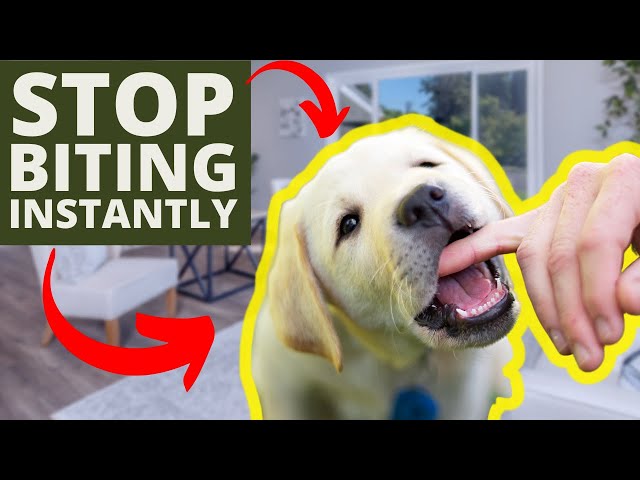
Youtube Video:
Pet Care & Wellness Overview Table
| Life Stage | Daily Activity Level | Key Nutrition / Care Focus |
|---|---|---|
| Puppy / Kitten | High (frequent short bursts) | High-protein growth diet & early socialization |
| Adult Companion | Moderate (30–60 mins daily) | Balanced maintenance nutrition & dental hygiene |
| Senior Pets | Low to Gentle (mindful walks) | Joint support (Glucosamine) & routine vet checks |
Images References :
For more expert pet care tips and advice, check out our dedicated Dog Type and Health guides to keep your companions healthy and happy.