How to Stop Puppy Biting
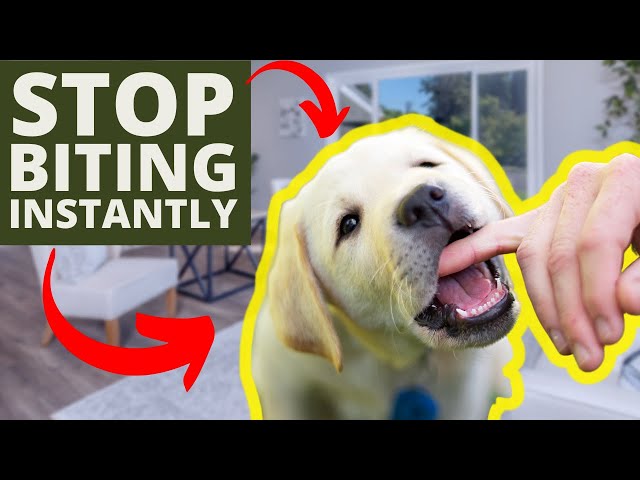
Bringing a new puppy home is an exciting time, filled with cuddles, playful antics, and the occasional nip? Puppy biting is a common behavior, but it’s essential to address it early. Understanding why puppies bite is the first step in curbing this habit. Puppies explore the world with their mouths, much like human babies. Biting, mouthing, and nipping are all ways they investigate their surroundings, learn about textures, and even communicate with their littermates. This exploratory phase is normal, but it shouldn’t persist as they grow. Ignoring puppy biting can lead to problems later on, potentially resulting in more aggressive behavior. It’s important to teach your puppy appropriate boundaries and that human skin is sensitive. Early intervention will help your furry friend grow into a well-behaved and gentle companion, creating a safe and enjoyable environment for everyone.
💡 Pet Care Key Takeaways:
- Core Focus: Practical health, nutrition, and wellness guidelines for How To Stop Puppy.
- Target Scope: Pet owners, animal caregivers, and veterinary support staff.
- Best Recommendation: Maintain consistent daily routines and consult an accredited veterinarian before introducing major diet or medical changes.
The health benefits of addressing puppy biting extend beyond just physical safety. A well-trained puppy experiences less stress and anxiety. When a puppy understands the rules and boundaries, it feels more secure and confident. This confidence translates into better social interactions with other dogs and people. Furthermore, consistent training strengthens the bond between you and your puppy. Teaching your puppy how to behave creates a positive relationship built on trust and mutual respect. Key considerations include understanding the difference between playful mouthing and aggressive biting. Playful mouthing is usually gentler and accompanied by playful body language, while aggressive biting is more forceful and may involve growling or snapping. Recognizing these differences allows you to tailor your approach appropriately. Always consult with a veterinarian or certified dog trainer if you have concerns about aggressive behavior or if the biting is severe or persistent. Professional guidance can provide personalized strategies and address any underlying issues contributing to the behavior. Related guide: Frozzys Frozen Yogurt For Dogs.
Here are some practical tips for dog owners on how to stop puppy biting. Firstly, redirect the behavior. When your puppy starts to bite, offer a chew toy instead. This provides a safe and appropriate outlet for their chewing instincts. Secondly, use positive reinforcement. Reward your puppy with praise and treats when they exhibit gentle behavior or stop biting on command. Thirdly, implement a “time-out” strategy. If your puppy bites too hard during play, immediately stop the interaction and turn away. This teaches them that biting results in the end of playtime. Consistency is key when training your puppy. Make sure everyone in the household uses the same commands and techniques. This will prevent confusion and ensure your puppy learns the desired behavior more quickly. Be patient and understanding. It takes time and effort to train a puppy, and there will be setbacks along the way. Don’t get discouraged celebrate small victories and keep practicing.
Youtube Video:
Pet Care & Wellness Overview Table
| Life Stage | Daily Activity Level | Key Nutrition / Care Focus |
|---|---|---|
| Puppy / Kitten | High (frequent short bursts) | High-protein growth diet & early socialization |
| Adult Companion | Moderate (30–60 mins daily) | Balanced maintenance nutrition & dental hygiene |
| Senior Pets | Low to Gentle (mindful walks) | Joint support (Glucosamine) & routine vet checks |
Images References :
For more expert pet care tips and advice, check out our dedicated Dog Type and Health guides to keep your companions healthy and happy.