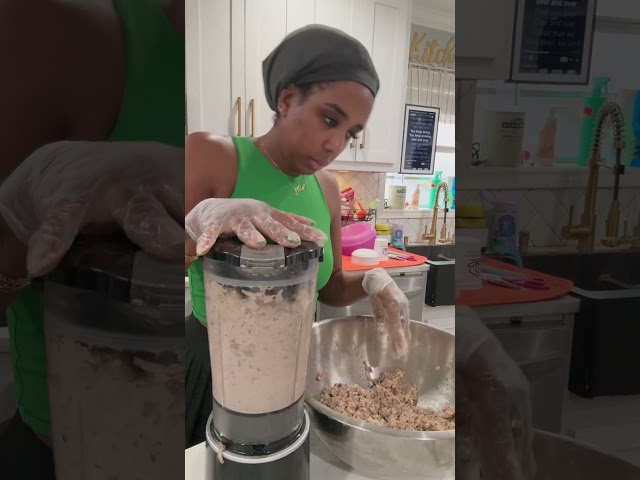
Hypoallergenic Pill Pockets
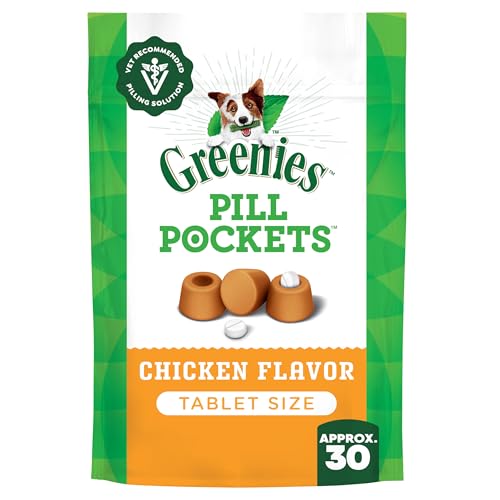
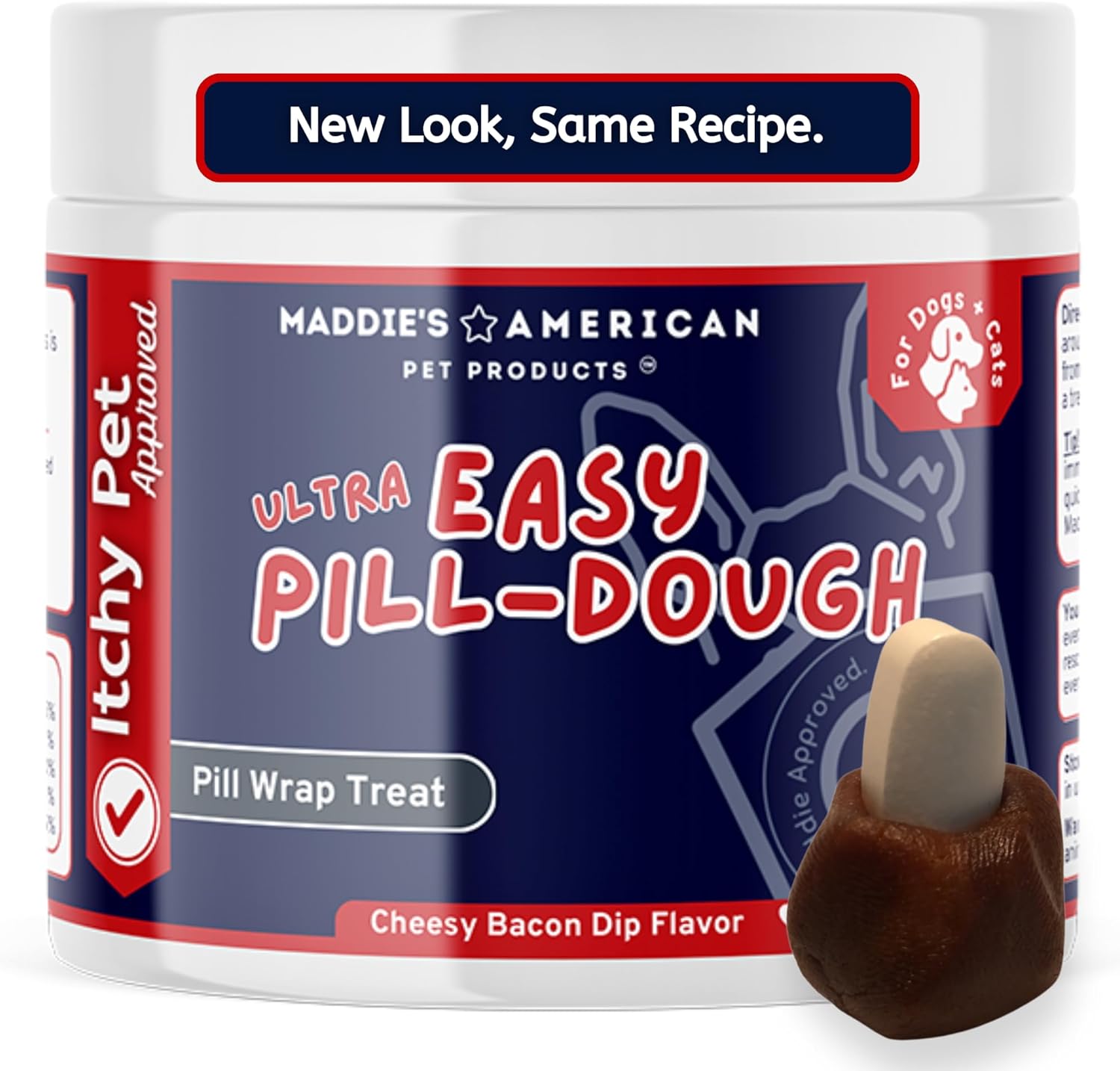
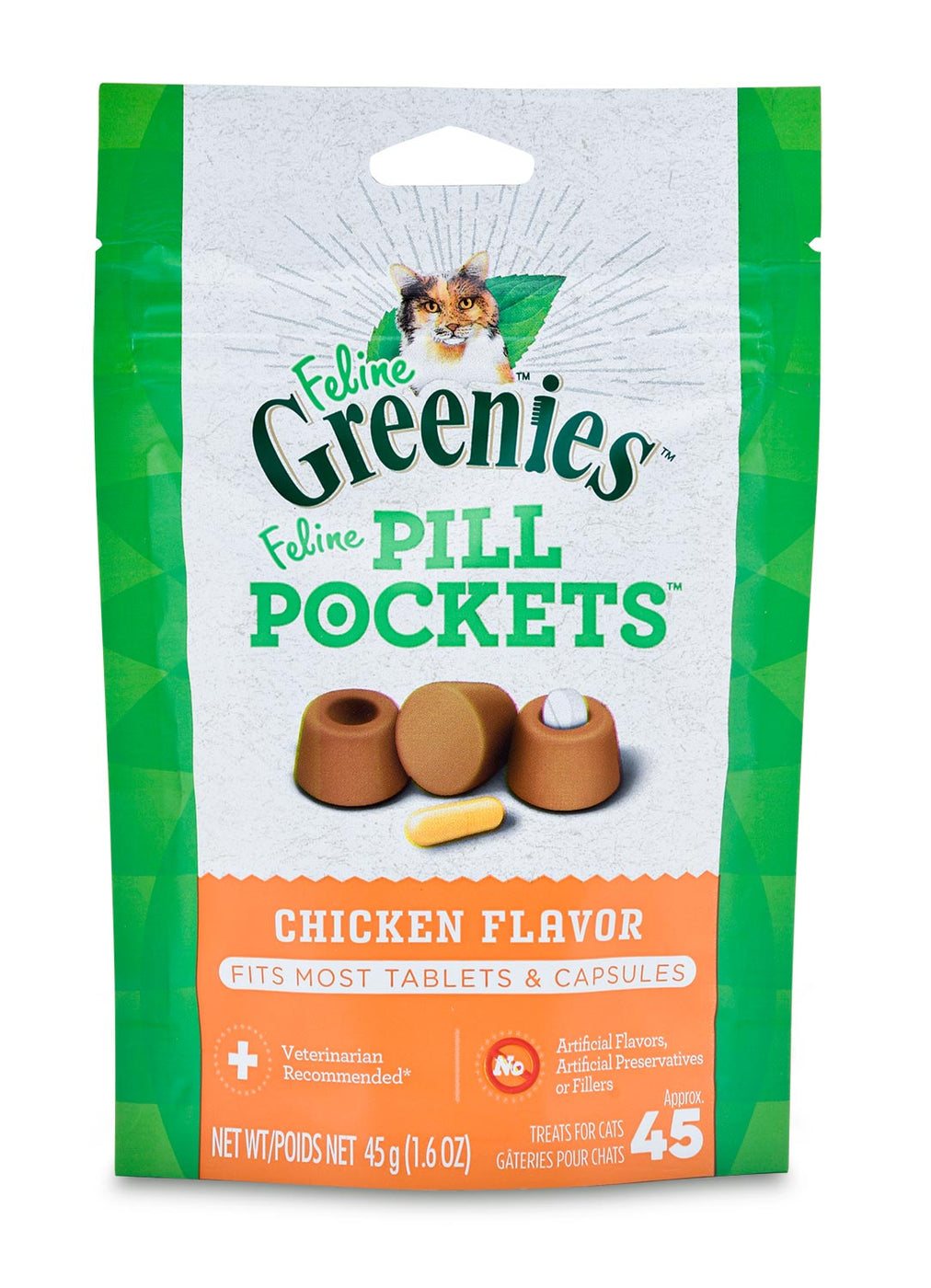
Giving your dog medication can be a real struggle. Many dogs are masters at detecting pills hidden in their food, spitting them out or refusing to eat altogether. This is where pill pockets come in handy, offering a convenient and palatable way to administer medication. However, for dogs with sensitivities or allergies, standard pill pockets can trigger adverse reactions. That’s why hypoallergenic pill pockets are so vital. These specialized treats are formulated without common allergens, ensuring your dog receives their medication without the risk of digestive upset, skin irritation, or other allergic responses. By choosing hypoallergenic options, you prioritize your dog’s overall well-being while ensuring they get the treatment they need. This makes medication time less stressful for both you and your furry friend, contributing to a happier and healthier life. Remember that consulting with your veterinarian is always the best first step to rule out any medical conditions or allergies before switching your dog to any new food or treat. They can help you determine the best course of action for your dog’s individual needs.
💡 Pet Care Key Takeaways:
- Core Focus: Practical health, nutrition, and wellness guidelines for Hypoallergenic Pill Pockets.
- Target Scope: Pet owners, animal caregivers, and veterinary support staff.
- Best Recommendation: Maintain consistent daily routines and consult an accredited veterinarian before introducing major diet or medical changes.
The health benefits of hypoallergenic pill pockets extend beyond simply masking the taste of medication. By eliminating common allergens like wheat, corn, soy, and artificial additives, these treats reduce the risk of allergic reactions in sensitive dogs. This can lead to improvements in their digestive health, manifested by fewer instances of diarrhea, vomiting, or gas. Furthermore, hypoallergenic pill pockets can contribute to healthier skin and coat, reducing itching, scratching, and skin infections often associated with food allergies. Key considerations when selecting hypoallergenic pill pockets include carefully reviewing the ingredient list to ensure it aligns with your dog’s specific allergies or sensitivities. Look for options that use novel protein sources, such as duck or salmon, and avoid treats with artificial colors, flavors, and preservatives. Additionally, consider the size and texture of the pill pocket to ensure it can adequately conceal the medication. Many brands offer different sizes to accommodate various pill sizes and dog breeds. Always monitor your dog for any signs of adverse reactions after introducing a new pill pocket, even if it’s labeled as hypoallergenic. Consult with your veterinarian if you have any concerns or observe any concerning symptoms. Related guide: Frozzys Frozen Yogurt For Dogs.
For dog owners seeking the best way to administer medication, here are a few helpful tips. First, always consult with your veterinarian about the appropriate dosage and administration instructions for your dog’s medication. Next, select a hypoallergenic pill pocket that is the right size and shape for the pill. Pinch the pill pocket closed around the medication to ensure it is fully concealed. Offer the pill pocket to your dog as a treat, making the experience positive and stress-free. If your dog is hesitant, try breaking the pill pocket into smaller pieces or smearing a small amount of peanut butter (if they aren’t allergic) on the outside to make it more appealing. Always supervise your dog while they are eating the pill pocket to ensure they swallow it completely. If your dog consistently refuses to eat the pill pocket, consult with your veterinarian about alternative methods of medication administration, such as compounding the medication into a flavored liquid or using a different type of treat. Remember to store the pill pockets in a cool, dry place to maintain their freshness and palatability.
Youtube Video:

Pet Care & Wellness Overview Table
| Life Stage | Daily Activity Level | Key Nutrition / Care Focus |
|---|---|---|
| Puppy / Kitten | High (frequent short bursts) | High-protein growth diet & early socialization |
| Adult Companion | Moderate (30–60 mins daily) | Balanced maintenance nutrition & dental hygiene |
| Senior Pets | Low to Gentle (mindful walks) | Joint support (Glucosamine) & routine vet checks |
Images References




For more expert pet care tips and advice, check out our dedicated Dog Type and Health guides to keep your companions healthy and happy.