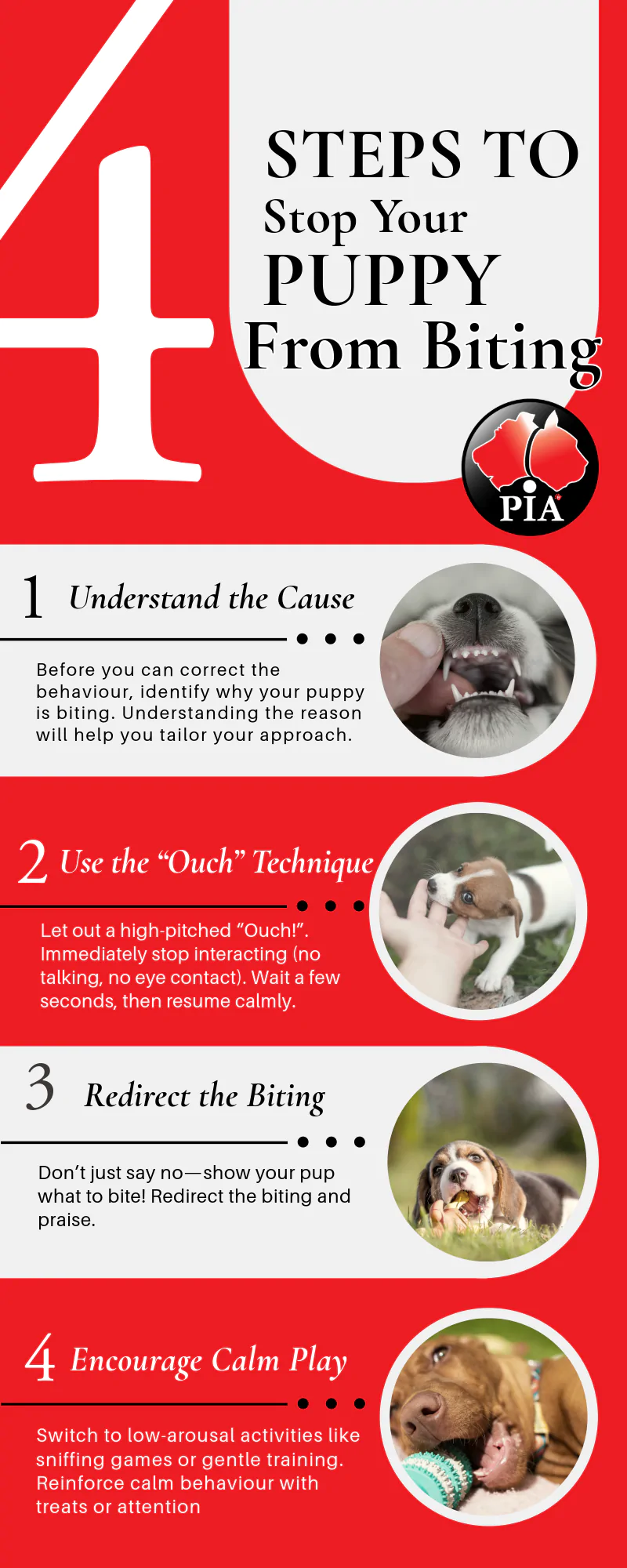
How to Stop a 4-Month-Old Puppy from Biting
Bringing a new puppy into your home is a joyous occasion, filled with playful antics and cuddly moments. However, one behavior that can quickly become frustrating is puppy biting. While it’s a natural part of their development, learning how to stop a 4-month-old puppy from biting is crucial for establishing good habits and ensuring the safety of everyone around them. Biting in puppies stems from a variety of reasons, including teething, exploration, play, and sometimes, fear. Understanding the root cause behind your puppy’s biting is the first step towards addressing the issue effectively. Ignoring this behavior can lead to more serious problems down the line, potentially resulting in aggressive tendencies as they mature. Therefore, addressing it early with consistent training and positive reinforcement is essential for a well-behaved and happy companion. Remember, patience and understanding are key, as your puppy is still learning boundaries and appropriate interactions.
💡 Pet Care Key Takeaways:
- Core Focus: Practical health, nutrition, and wellness guidelines for How To Stop 4 Month Old Puppy From Biting.
- Target Scope: Pet owners, animal caregivers, and veterinary support staff.
- Best Recommendation: Maintain consistent daily routines and consult an accredited veterinarian before introducing major diet or medical changes.
One of the most common reasons for a 4-month-old puppy to bite is teething. As their adult teeth emerge, their gums become sore and irritated, leading them to seek relief by chewing on anything they can find. Providing appropriate chew toys, such as rubber toys, frozen carrots, or rope toys, can help alleviate their discomfort and redirect their biting behavior. Another factor is play. Puppies often use their mouths to explore their environment and interact with their littermates. When they bite during play, it’s usually not meant to be aggressive but rather a way to engage and communicate. However, it’s important to teach them that biting humans is not acceptable. This can be achieved by immediately stopping playtime when they bite and turning away, signaling that the behavior is undesirable. Consistency is key here; every time your puppy bites, the same reaction should occur. Additionally, ensuring your puppy has plenty of mental and physical stimulation can help reduce biting. A tired puppy is a good puppy! Consider training sessions, puzzle toys, and regular walks to keep them engaged and prevent boredom-related biting. Related guide: Frozzys Frozen Yogurt For Dogs.
When trying to figure out how to stop a 4-month-old puppy from biting, positive reinforcement is your best friend. Reward your puppy with treats and praise when they exhibit desired behaviors, such as gentle mouthing or licking. This reinforces the idea that being gentle is more rewarding than biting. Avoid using punishment or scolding, as this can create fear and anxiety, potentially leading to more aggressive behaviors. Instead, focus on redirecting their biting towards appropriate chew toys. Keep a variety of toys readily available and offer them whenever your puppy starts to bite. If your puppy is biting out of fear or anxiety, identify the trigger and try to desensitize them to it. Gradually expose them to the trigger in a controlled environment, pairing it with positive experiences, such as treats or praise. This can help them associate the trigger with positive feelings and reduce their anxiety, ultimately decreasing their biting behavior. Always consult with a veterinarian or certified dog trainer for personalized guidance and support.
Youtube Video:
Pet Care & Wellness Overview Table
| Life Stage | Daily Activity Level | Key Nutrition / Care Focus |
|---|---|---|
| Puppy / Kitten | High (frequent short bursts) | High-protein growth diet & early socialization |
| Adult Companion | Moderate (30–60 mins daily) | Balanced maintenance nutrition & dental hygiene |
| Senior Pets | Low to Gentle (mindful walks) | Joint support (Glucosamine) & routine vet checks |
Images References





For more expert pet care tips and advice, check out our dedicated Dog Type and Health guides to keep your companions healthy and happy.


