Nourishing a growing canine companion requires careful attention during the critical puppy developmental stages.
According to the American Veterinary Medical Association, proper early life nutrition significantly shapes a dog’s lifelong musculoskeletal and metabolic health. When welcoming a young bully breed into the home, enthusiasm often prompts caregivers to seek out wholesome, fresh dietary options. A puppy American Pit Bull Terrier, recognized as an athletic, muscular, and high-energy companion, demands precise dietary building blocks during puppyhood. Preparing fresh meals at home offers ultimate quality control over every ingredient that enters the bowl. Yet, formulating a balanced plate for an immature dog differs vastly from cooking for a mature pet. Working closely with canine nutrition experts ensures that homemade meals support steady, safe structural growth rather than causing rapid, joint-straining weight gain. Related guide: How To Get Puppy To Stop Biting Furniture.
💡 Pet Care Key Takeaways:
- Core Focus: Practical health, nutrition, and wellness guidelines for Homemade Good For Baby Pit Bull.
- Target Scope: Pet owners, animal caregivers, and veterinary support staff.
- Best Recommendation: Maintain consistent daily routines and consult an accredited veterinarian before introducing major diet or medical changes.
Homemade good for baby pit bull refers to nutrient-dense, species-appropriate fresh food formulations tailored specifically for growing American Pit Bull Terrier puppies.
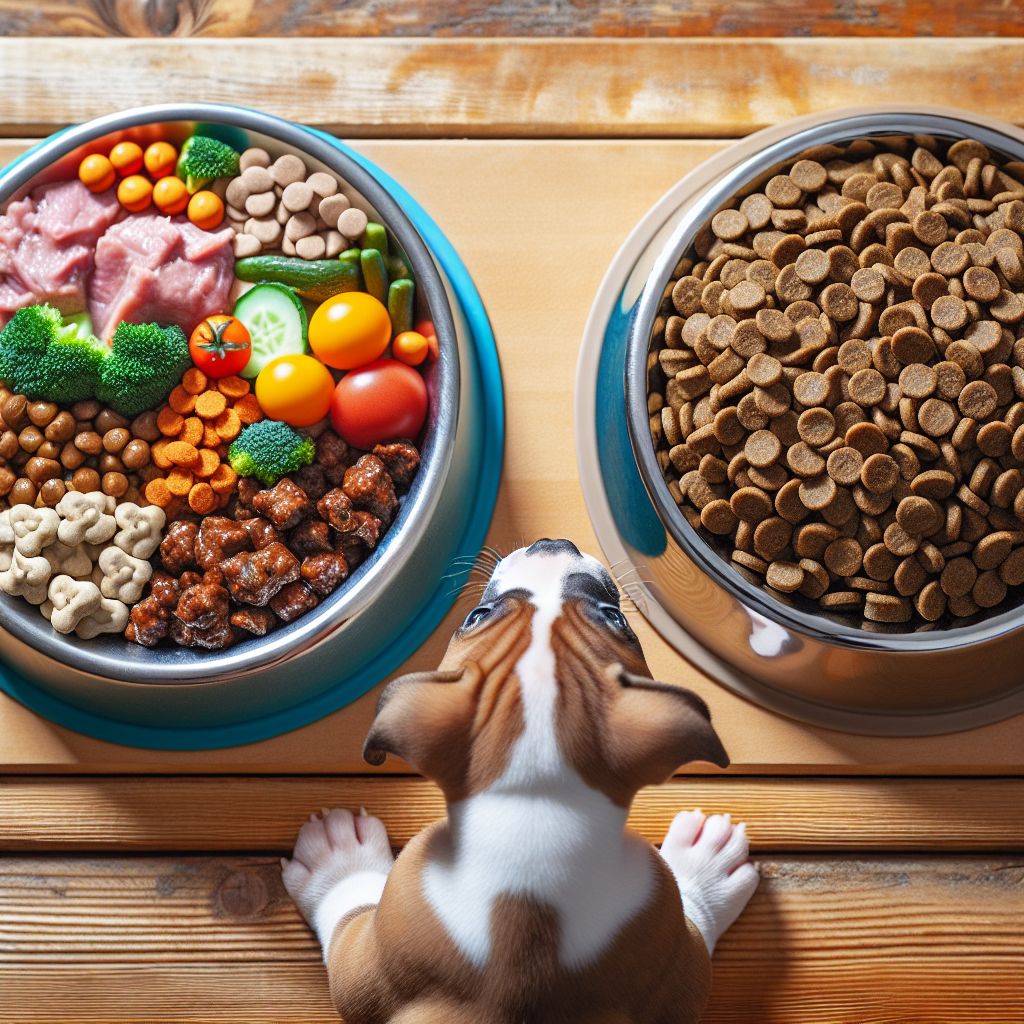
Creating a genuinely beneficial meal plan means moving far beyond simple table scraps or generic protein-and-rice mixes. Young bully breed dogs require precise ratios of amino acids, calcium, phosphorus, and essential fatty acids to develop strong bones and lean muscle mass. Fresh food preparation allows caregivers to avoid artificial preservatives, excessive sodium, and low-quality fillers frequently found in commercial kibbles. Experience in clinical practice shows that puppies transitioned to well-balanced fresh diets often exhibit remarkably glossy coats and consistent digestive health. Nevertheless, achieving this balance demands strict adherence to veterinary nutrition standards, ensuring no vital micronutrients are accidentally omitted from the daily menu.
Proper nutritional management directly dictates skeletal development, energy regulation, and long-term joint integrity in athletic puppy breeds.
Rapid bone growth paired with heavy muscle predisposition makes balanced calcium intake non-negotiable for young pit bulls. An excess or deficiency of minerals during the first year of life can trigger severe developmental orthopedic disorders. Furthermore, fresh ingredients supply highly bioavailable proteins that nourish developing tissues without placing undue stress on immature digestive tracts. Mealtime behaviors also shift positively when wholesome textures and natural aromas engage the senses of a curious pup. Carefully portioned meals prevent lethargy, keeping energy levels steady throughout active play sessions and obedience training.
Improper calcium-to-phosphorus ratios in homemade puppy diets frequently lead to irreversible skeletal deformities in large and medium-large growing breeds. — American Kennel Club
Formulating and safely preparing fresh meals requires adherence to strict kitchen hygiene, precise scaling, and wholesome whole-food sourcing.
Constructing a safe daily menu begins with selecting lean muscle meats, safe organ meats, digestible carbohydrates, and dog-safe vegetables. Cooking animal proteins thoroughly eliminates harmful pathogens like Salmonella or E. coli, which pose heightened risks to young animals with developing immune systems. Ingredients must be weighed on a digital kitchen scale rather than measured by eye to maintain strict nutritional consistency. Introducing new food items should happen gradually over the course of a week to monitor for any subtle signs of food intolerance, such as loose stool or skin irritation. Exploring dedicated resources like Method helps caregivers refine their daily food preparation workflows.
Avoiding critical formulation errors prevents nutrient deficiencies and safeguards the delicate digestive systems of young dogs.
The single most dangerous pitfall in home-cooking is winging the recipe without professional guidance or relying on unverified internet formulas. Omitting commercial vitamin and mineral balancers or natural calcium sources rapidly strips the diet of foundational health elements. Dog owners must also remain vigilant about toxic foods; substances such as onions, garlic, grapes, xylitol, and macadamia nuts are strictly poisonous to dogs and must never enter the mixing bowl. Experienced clinical technicians frequently treat dietary deficiencies that could have been completely avoided with simple professional oversight. Reviewing insights via Ingredients provides a clearer understanding of safe, wholesome food selections.
Garlic, onions, and chives contain compounds that cause oxidative damage to canine red blood cells, resulting in Heinz body anemia. — American Society for the Prevention of Cruelty to Animals
Pet Care & Wellness Overview Table
| Life Stage | Daily Activity Level | Key Nutrition / Care Focus |
|---|---|---|
| Puppy / Kitten | High (frequent short bursts) | High-protein growth diet & early socialization |
| Adult Companion | Moderate (30–60 mins daily) | Balanced maintenance nutrition & dental hygiene |
| Senior Pets | Low to Gentle (mindful walks) | Joint support (Glucosamine) & routine vet checks |
Images References







Breed-specific metabolic rates and growth spurts demand customized portion control and lifelong nutritional adaptability.
Pit bulls possess dense muscle mass and high metabolisms, meaning their caloric needs fluctuate dramatically during growth spurts. What satisfies an eight-week-old puppy will quickly prove inadequate for a rambunctious five-month-old adolescent experiencing rapid bone elongation. Caregivers must regularly monitor body condition scores, ensuring ribs remain easily palpable without being visually prominent. Spaying or neutering further alters energy requirements, necessitating downward calorie adjustments to prevent unwanted weight gain that stresses developing joints. Gaining deeper knowledge through Dog Type and Health assists owners in supporting their specific breed’s unique physical traits.
Professional veterinary guidance is indispensable when transitioning any growing puppy to an exclusive or supplementary homemade diet.
Before committing to a long-term home-cooked feeding regimen, consulting a veterinarian or a board-certified veterinary nutritionist is essential. A professional can review specific recipes, calculate precise caloric targets based on current weight and activity, and recommend appropriate commercial nutrient premixes. Regular veterinary check-ups allow clinicians to track growth velocity, monitor blood parameters, and make timely adjustments as the puppy matures. Prioritizing expert oversight ensures that homemade meals genuinely build a foundation of robust, lifelong vitality.
Embracing wholesome nutrition enriches the bond between pet and caregiver while establishing a lifetime of vibrant health.
Dedicating time to prepare wholesome meals demonstrates profound devotion to a canine companion’s wellbeing. By pairing culinary care with strict scientific standards, owners set their young dogs up for a long, active, and healthy life. Exploring additional guides on Home2Pet.com alongside specialized topics like Occasion and General & Others empowers pet lovers to provide exceptional care at every single stage of their dog’s journey.