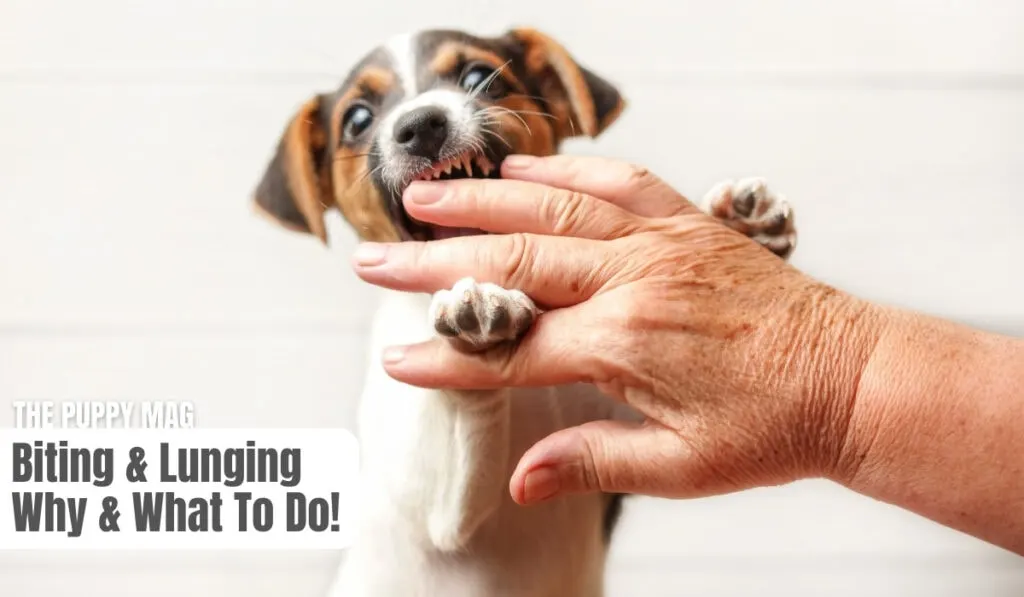
According to the American Society for the Prevention of Cruelty to Animals, behavioral issues remain one of the primary reasons adolescent canines are relinquished to shelters during their first year of life. When households record a 10 month old puppy lunging and biting video, the resulting footage often reveals a confused mixture of adolescent boundary-pushing, pent-up energy, and overstimulation. Working in veterinary clinics, handling young dogs requires recognizing that this stage is rarely born out of pure malice. Instead, it typically signals a complex intersection of surging hormones and unmet physical or mental outlets. Owners frequently feel overwhelmed when sweet puppies transform into fast-moving balls of teeth and sudden force. Understanding this phenomenon helps transform frustration into actionable training strategies, fostering a safer environment for everyone in the home. Educational resources like Dog Type and Health provide deeper insights into managing these growth phases effectively.
💡 Pet Care Key Takeaways:
- Core Focus: Practical health, nutrition, and wellness guidelines for 10 Month Old Puppy Lunging And Biting Video.
- Target Scope: Pet owners, animal caregivers, and veterinary support staff.
- Best Recommendation: Maintain consistent daily routines and consult an accredited veterinarian before introducing major diet or medical changes.
A 10 month old puppy lunging and biting video typically captures a classic display of adolescent canine reactivity mixed with play-driven overarousal.
Capturing such intense moments on camera allows handlers to analyze triggers, body language, and environmental factors that precede the outburst. Canine adolescence mirrors human teenagerhood, bringing neurological shifts that temporarily decrease impulse control and increase reactivity to everyday stimuli. Many observers fail to notice the subtle whale eyes, stiffening posture, or lip licking that happen seconds before the lunge. Documenting these episodes serves as a diagnostic tool rather than just a source of household stress. Veterinary technicians often review similar clips to determine whether the behavior stems from fear, redirected aggression, or unmanaged play styles. Recognizing these distinct motivations ensures that corrective measures target the root cause rather than merely suppressing the symptom. Related guide: Frozzys Frozen Yogurt For Dogs.
Dietary needs shift rapidly during the growth phase, and improper nutritional formulation can sometimes exacerbate hyperactivity or poor focus in young dogs. Beyond food, sudden outbursts of lunging might point toward underlying orthopedic discomfort, such as early hip dysplasia or panosteitis, which causes deep bone pain in rapidly growing large breeds. When a dog hurts, handling or sudden movements can trigger a defensive snap. Consulting a professional ensures that diet and health are properly aligned to support calming neurology. Proper guidance on selecting appropriate nutrients can be found within resources dedicated to Ingredients.
Adolescent dogs experiencing sudden behavioral shifts should receive a thorough veterinary examination to rule out painful underlying medical conditions — American Animal Hospital Association
Deconstructing a 10 month old puppy lunging and biting video enables owners to apply systematic desensitization and positive reinforcement protocols.
Reviewing the recording frame by frame helps identify the precise threshold where the canine crosses from calm observation into over-threshold panic or excitement. Establishing a structured daily routine with predictable exercise periods significantly reduces the frequency of these explosive episodes. Training sessions must remain short, engaging, and heavily rewarded to maintain focus without fatiguing the developing brain. Implementing management strategies, such as using baby gates or leashes indoors, prevents the rehearsal of unwanted behaviors while alternative coping mechanisms are taught. Exploring structured Method guides can streamline this behavior modification process.
Preventing common missteps during adolescent training requires avoiding physical punishments that escalate fear and reactivity.
A frequent mistake involves yelling or physically correcting the dog during a lunging episode, which the animal often interprets as erratic social participation or threat escalation. Punishments frequently damage the trust between handler and pet, potentially turning playful mouthing into true defensive aggression. Consistency across all household members remains paramount, as mixed signals only confuse a young dog striving to understand domestic rules. Interactive puzzle toys and scent games offer constructive outlets for the intense mental energy typically displayed on camera. Prioritizing calm energy from human handlers creates a stabilizing anchor for an overstimulated animal.
Positive reinforcement training methods are proven to yield significantly better behavioral outcomes and stronger human-animal bonds than aversive techniques — American Veterinary Medical Association
Pet Care & Wellness Overview Table
| Life Stage | Daily Activity Level | Key Nutrition / Care Focus |
|---|---|---|
| Puppy / Kitten | High (frequent short bursts) | High-protein growth diet & early socialization |
| Adult Companion | Moderate (30–60 mins daily) | Balanced maintenance nutrition & dental hygiene |
| Senior Pets | Low to Gentle (mindful walks) | Joint support (Glucosamine) & routine vet checks |
Images References
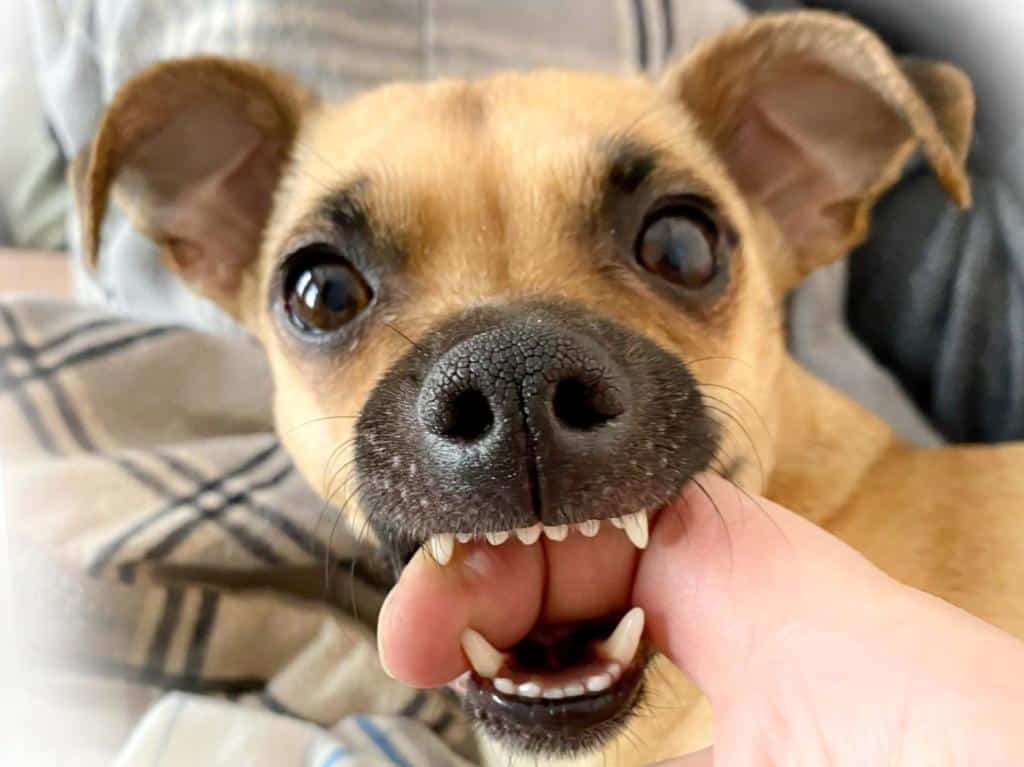
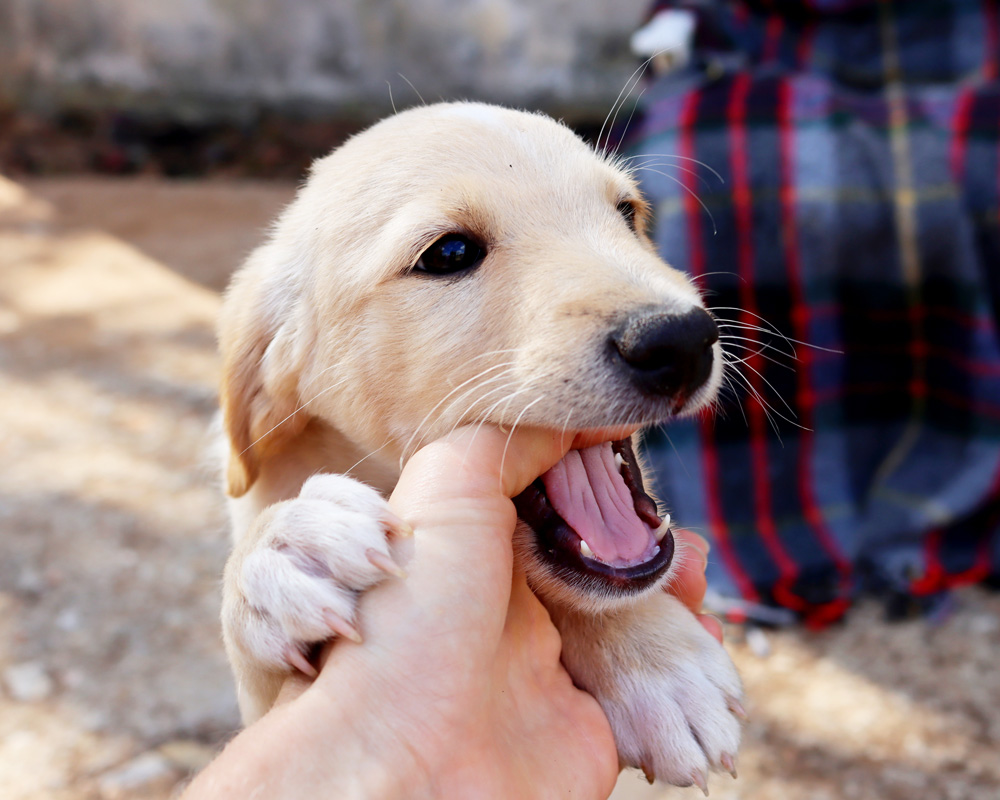
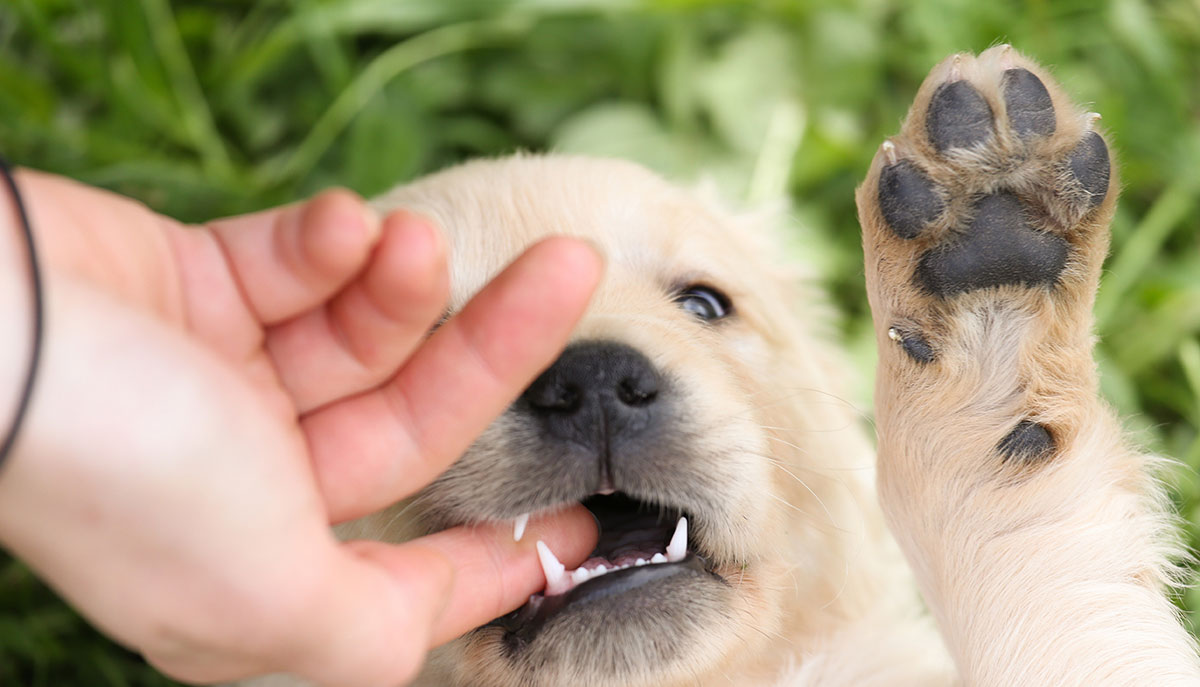





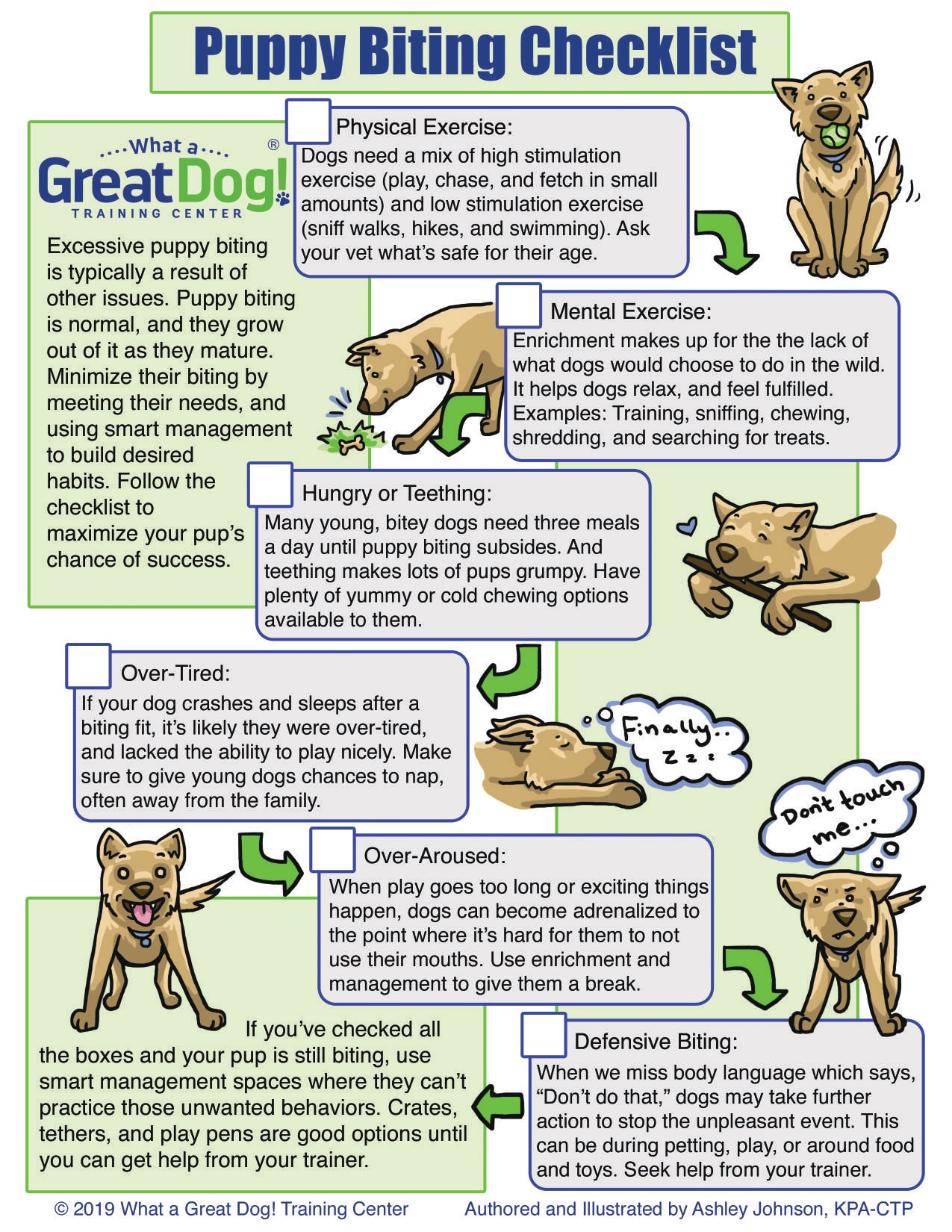
Breed specific traits and individual body sizes dictate how intensely adolescent energy manifests in everyday household environments.
Herding breeds, such as Border Collies or German Shepherds, often redirect their innate instinct to nip at moving heels directly toward running family members. Conversely, giant breeds possess immense physical strength at ten months old, turning standard puppy play into a hazardous event for children or elderly residents. Smaller companion breeds might rely on lunging as a distance-increasing mechanism when they feel cornered by overzealous handling. Tailoring the approach to match the specific breed heritage ensures that working drives are satisfied through appropriate outlets like agility or tracking. Recognizing these biological predispositions prevents unrealistic expectations during the teenage developmental window.
Professional veterinary evaluation becomes mandatory when adolescent biting escalates in intensity, frequency, or causes physical harm.
Persistent aggression that fails to respond to environmental management and positive reinforcement requires immediate intervention by a licensed veterinarian or a certified applied animal behaviorist. Medical screening must rule out neurological disorders, hormonal abnormalities, or chronic pain syndromes that standard training cannot resolve. General guidance provided in educational materials should never replace a comprehensive physical examination conducted by a trusted animal health professional. Specific behavioral medication ranges and treatment protocols must always be confirmed directly with a veterinarian based on individual health status. For additional context on managing unique situations, refer to resources covering Occasion and General & Others.
While watching a young dog lash out on camera can feel disheartening, this developmental phase is temporary and entirely manageable with the right tools. By addressing physical health, nutritional needs, and clear boundary setting, families can guide their pets safely into adulthood. Discover more expert advice and pet care guides by visiting Home2Pet.com today.