
Decoding the sudden snapping when gearing up for a walk
According to the American Society for Prevention of Cruelty to Animals (ASPCA), behavioral issues are among the primary reasons young canines are relinquished to shelters, making early intervention vital. Witnessing a puppy aggressive bite when putting on harness situations can catch any loving guardian entirely off guard. One moment, the household is filled with the joyful anticipation of an outdoor stroll, and the next, tiny teeth are clamped onto a sleeve or strap. This abrupt defensive reaction transforms a routine bonding moment into a stressful ordeal. Understanding the underlying triggers behind this canine defense mechanism allows families to approach the issue with empathy rather than frustration. By addressing the root cause early on, caregivers can restore peace to the daily walking routine and build lasting trust with their young companion. Related guide: Soft Treats For Puppy Training.
💡 Pet Care Key Takeaways:
- Core Focus: Practical health, nutrition, and wellness guidelines for Puppy Aggressive Bite When Putting On Harness?.
- Target Scope: Pet owners, animal caregivers, and veterinary support staff.
- Best Recommendation: Maintain consistent daily routines and consult an accredited veterinarian before introducing major diet or medical changes.
Unpacking why a puppy aggressive bite when putting on harness occurs
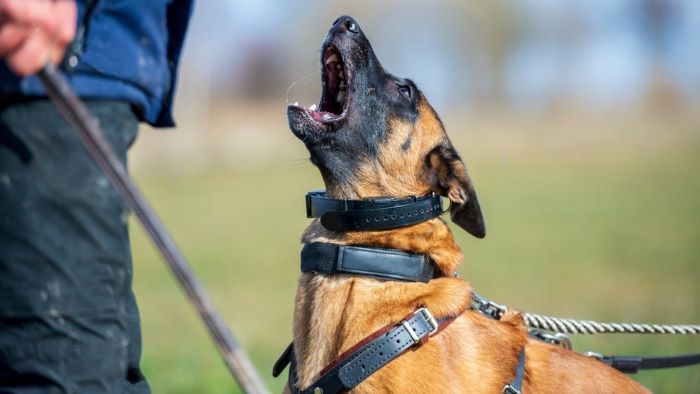
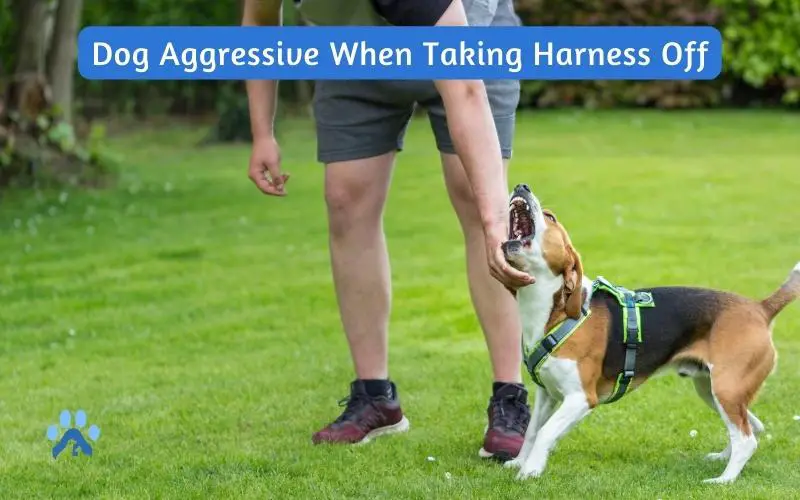
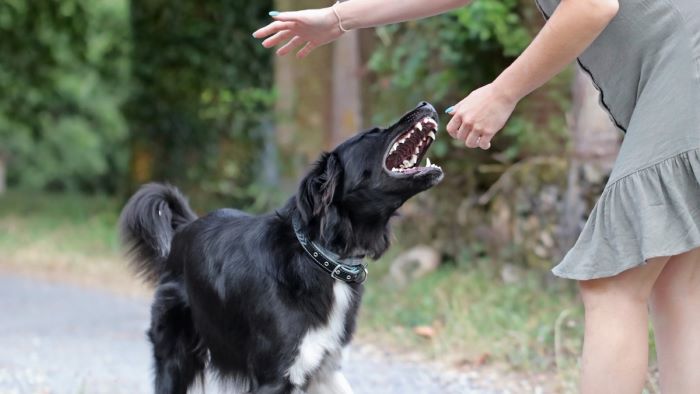
A puppy aggressive bite when putting on harness events is almost always a fear-based defensive reaction rather than an act of true malice. In clinical practice, working hands-on with reactive youngsters reveals that overhead motions and restrictive straps often trigger a primal claustrophobic panic. Canines lack human cognitive processing, meaning an over-the-head strap can easily be misinterpreted as a predatory threat or a sudden restraint. Furthermore, sharp puppy teeth are their primary tools for communicating boundaries when words fail. When a baby dog feels cornered or overwhelmed by a piece of equipment, snapping becomes their desperate attempt to make the scary object go away.
Addressing a puppy aggressive bite when putting on harness challenges early prevents lifelong phobias that complicate routine veterinary examinations and grooming sessions. Ignoring these warning signs usually causes the reactive behavior to escalate into full-blown panic whenever walking gear appears. Beyond behavioral strain, improper equipment fitted during a defensive struggle can cause physical chafing or neck strain if the animal thrashes violently. Monitoring the animal’s stress signals, such as whale eyes or lip licking, ensures that physical comfort is maintained alongside emotional well-being. Keeping a close eye on these physical reactions helps safeguard the animal’s overall Dog Type and Health during formative development months.
Behavioral consultations show that over seventy percent of handling-based reactivity in young dogs stems from perceived restriction rather than dominance. — American Kennel Club (AKC)
Desensitizing your young dog to walking gear safely
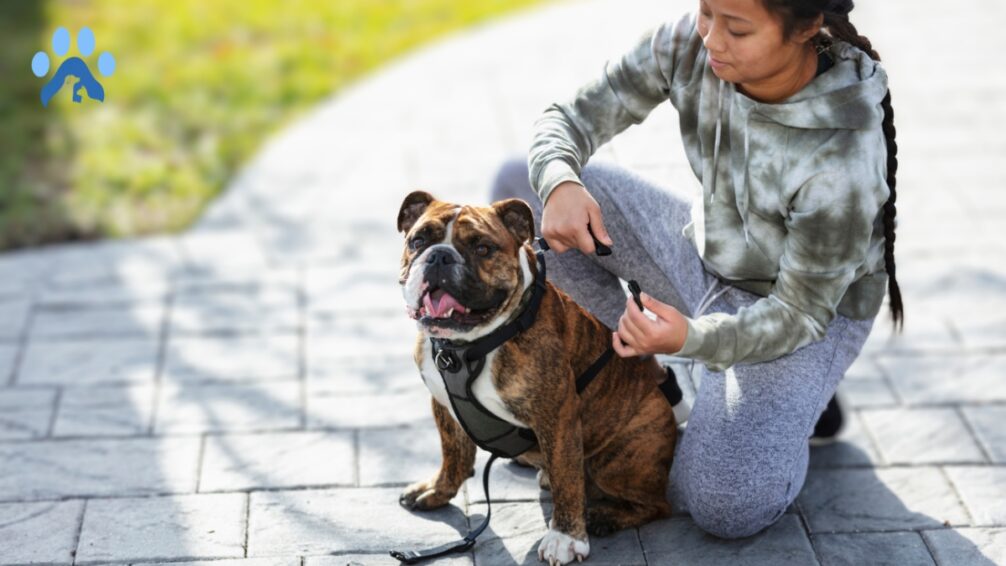
Managing a puppy aggressive bite when putting on harness behavior requires a systematic desensitization process that moves at the animal’s pace. Instead of forcing the equipment over the head in one swift motion, caregivers should introduce the strap from a distance paired with high-value reinforcement. Utilizing tasty treats found within safe categories like Ingredients can completely alter the emotional response associated with the equipment. Each successful step, from merely sniffing the strap to willingly placing a muzzle through the opening, earns an immediate edible reward. This Method transforms the terrifying object into a predictor of delicious rewards.
Common mistakes to avoid during harness introduction
Rushing the training process or punishing the animal for snapping will only worsen the defensive biting response. Many well-meaning guardians attempt to pin the wiggly animal down to secure the straps quickly, which inadvertently confirms the fear that the gear is dangerous. Furthermore, harsh tones or physical reprimands elevate stress hormones, making future attempts even more volatile. Consistency, patience, and absolute calm are the most powerful tools available during every single walking Occasion. Allowing the animal to set the tempo ensures that fear is replaced by eager anticipation.
Positive reinforcement training reduces stress hormone levels in reactive canines significantly faster than aversive correction techniques. — Journal of Veterinary Behavior
Pet Care & Wellness Overview Table
| Life Stage | Daily Activity Level | Key Nutrition / Care Focus |
|---|---|---|
| Puppy / Kitten | High (frequent short bursts) | High-protein growth diet & early socialization |
| Adult Companion | Moderate (30–60 mins daily) | Balanced maintenance nutrition & dental hygiene |
| Senior Pets | Low to Gentle (mindful walks) | Joint support (Glucosamine) & routine vet checks |
Images References



Breed, size, and developmental stage considerations
Certain toy breeds or sensitive working lines exhibit heightened sensitivity around their heads and shoulders, requiring extra caution during dressing. Miniature breeds possess fragile tracheas and delicate bone structures, making any sudden pulling or rough handling genuinely painful rather than just frightening. Additionally, teething phases bring intense gum soreness, which means hard plastic buckles or tight nylon straps pressing against the chest can trigger an immediate, pain-induced snap. Adapting the equipment style to suit the specific physical anatomy of the growing animal minimizes physical discomfort. Exploring resources within General & Others can offer additional perspective on developmental milestones across various breeds.
When to consult a veterinary professional
Persistent snapping that does not improve with counter-conditioning warrants an evaluation by a qualified veterinarian or a certified applied animal behaviorist. Underlying medical conditions, such as juvenile joint pain, ear infections, or skin sensitivities hidden beneath the fur, frequently manifest as sudden aggression during handling. A thorough veterinary exam rules out hidden discomfort before assuming the issue is purely behavioral. Furthermore, professionals can provide tailored guidance tailored to the specific temperament and health status of the individual animal. Never hesitate to seek expert advice when safety is a concern for both the household and the developing canine.
Creating a stress-free walking future
Overcoming harness reactivity takes time, patience, and an unwavering commitment to positive reinforcement principles. By understanding the fear behind the snapping and moving at a comfortable pace, families can turn a dreaded chore into a shared moment of connection. Every small step forward builds a foundation of lifelong trust and joyful outdoor adventures. For more expert advice on canine wellness, explore the guides available on Home2Pet.com.


