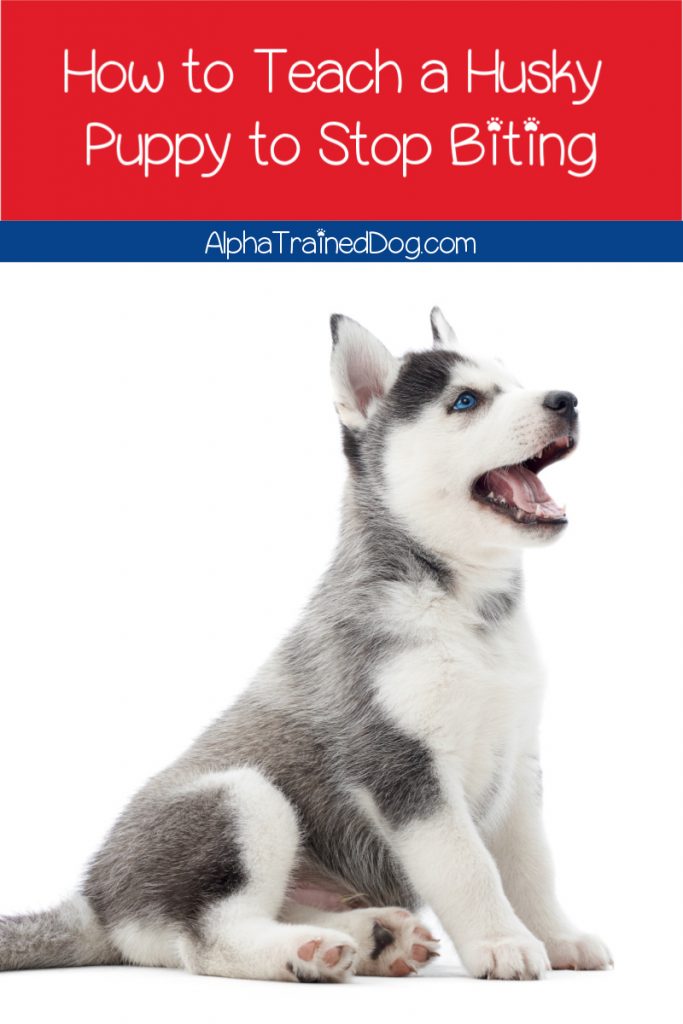
Puppies biting ankles is a surprisingly common behavioral hurdle that turns peaceful household walks into frantic, slipper-shredding obstacle courses.
According to the American Society for Prevention of Cruelty to Animals (ASPCA), normal canine developmental stages include exploratory mouthing and play biting, which frequently target moving targets like human feet and trouser hems. Anyone who has ever tried to walk across a living room wearing flowing bathrobes or loose pants knows the sudden, sharp pinch of needle-like milk teeth clamping onto a heel. Veterinary technicians in clinical settings frequently listen to tired pet guardians describe bruised ankles and tattered footwear. Beyond the minor physical discomfort, this enthusiastic ankle-tagging often leads to frustration if left unaddressed. Understanding the underlying motivations transforms a baffling nuisance into a manageable phase of canine development, especially when reviewing foundational resources available through General & Others.
💡 Pet Care Key Takeaways:
- Core Focus: Practical health, nutrition, and wellness guidelines for Puppies Biting Ankles.
- Target Scope: Pet owners, animal caregivers, and veterinary support staff.
- Best Recommendation: Maintain consistent daily routines and consult an accredited veterinarian before introducing major diet or medical changes.
Puppies biting ankles refers to predatory drift and play behavior where a young dog targets moving human feet as acceptable interactive toys.
Moving ankles mimic the unpredictable, darting movements of small prey, triggering an involuntary chase response in the immature canine brain. When a juvenile dog zeroes in on a swinging hemline, that canine is engaging in instinctual play that simulates hunting and stalking behaviors. Veterinary professionals observe that this habit often spikes during the late afternoon hours, commonly referred to as the witching hour, when young dogs experience a sudden surge of residual energy. Instead of malicious aggression, these ankle-grabbers are usually communicating sheer over-arousal or a desperate craving for engagement. Recognizing this distinction helps caregivers respond with productive redirection rather than counterproductive punishment. Related guide: How Do I Stop My Puppy Pulling At My Clothes.
Puppies biting ankles can reinforce unwanted habits and create safety hazards if the behavior escalates into adult jumping or guarding tendencies.
Unchecked mouthing habits during the socialization window may inadvertently teach a growing dog that human skin is an appropriate chew toy. As the animal gains adult size and jaw strength, a playful nip to the heel can easily result in broken skin or tripping hazards on stairs. Furthermore, nutritional balance plays an unexpected role in daily behavior; erratic feeding schedules or poor nutrient absorption can manifest as jittery, hyperactive outbursts that exacerbate ankle-biting episodes. Ensuring a balanced diet suited to the specific life stage helps regulate energy levels, an area where insights from Dog Type and Health prove immensely valuable for concerned pet parents.
Up to eighty percent of canine behavioral consultations involve developmental issues that begin as normal puppy exploration, including mouthing and chasing moving feet. — American Veterinary Medical Association
How to manage puppies biting ankles involves redirecting the energy toward appropriate toys and practicing consistent household boundaries.
Carrying a designated tug toy or long-handle lure in hand during walks provides an immediate alternative target the moment the puppy locks onto shoes. Standing completely still like a tree removes the rewarding motion that makes ankles so enticing to chase, effectively extinguishing the game. Once the animal calms down and releases focus from the feet, immediate praise and a high-value reward reinforce the desirable calm state. Patience remains paramount during this training phase, as consistency teaches the growing canine that feet are boring while interactive toys bring endless rewards.
Common mistakes to avoid when addressing puppies biting ankles include shouting, running away, or using physical reprimands.
Squealing or running away mimics the exact flight response of fleeing prey, which unfortunately encourages the puppy to pursue harder and faster. Similarly, swatting or yelling can accidentally turn the ankle-biting incident into a high-stakes wrestling game in the mind of the young dog. Pet guardians should always verify that dietary ingredients do not contribute to hyperactivity, consulting resources like Ingredients when evaluating commercial treats. Avoiding accidental rewards and maintaining a calm, neutral demeanor ensures the behavior fades rather than escalates into a persistent attention-seeking routine.
Providing at least two structured interactive play sessions daily significantly reduces stress-related nipping and destructive chewing behaviors in young dogs. — American Kennel Club
Pet Care & Wellness Overview Table
| Life Stage | Daily Activity Level | Key Nutrition / Care Focus |
|---|---|---|
| Puppy / Kitten | High (frequent short bursts) | High-protein growth diet & early socialization |
| Adult Companion | Moderate (30–60 mins daily) | Balanced maintenance nutrition & dental hygiene |
| Senior Pets | Low to Gentle (mindful walks) | Joint support (Glucosamine) & routine vet checks |
Images References



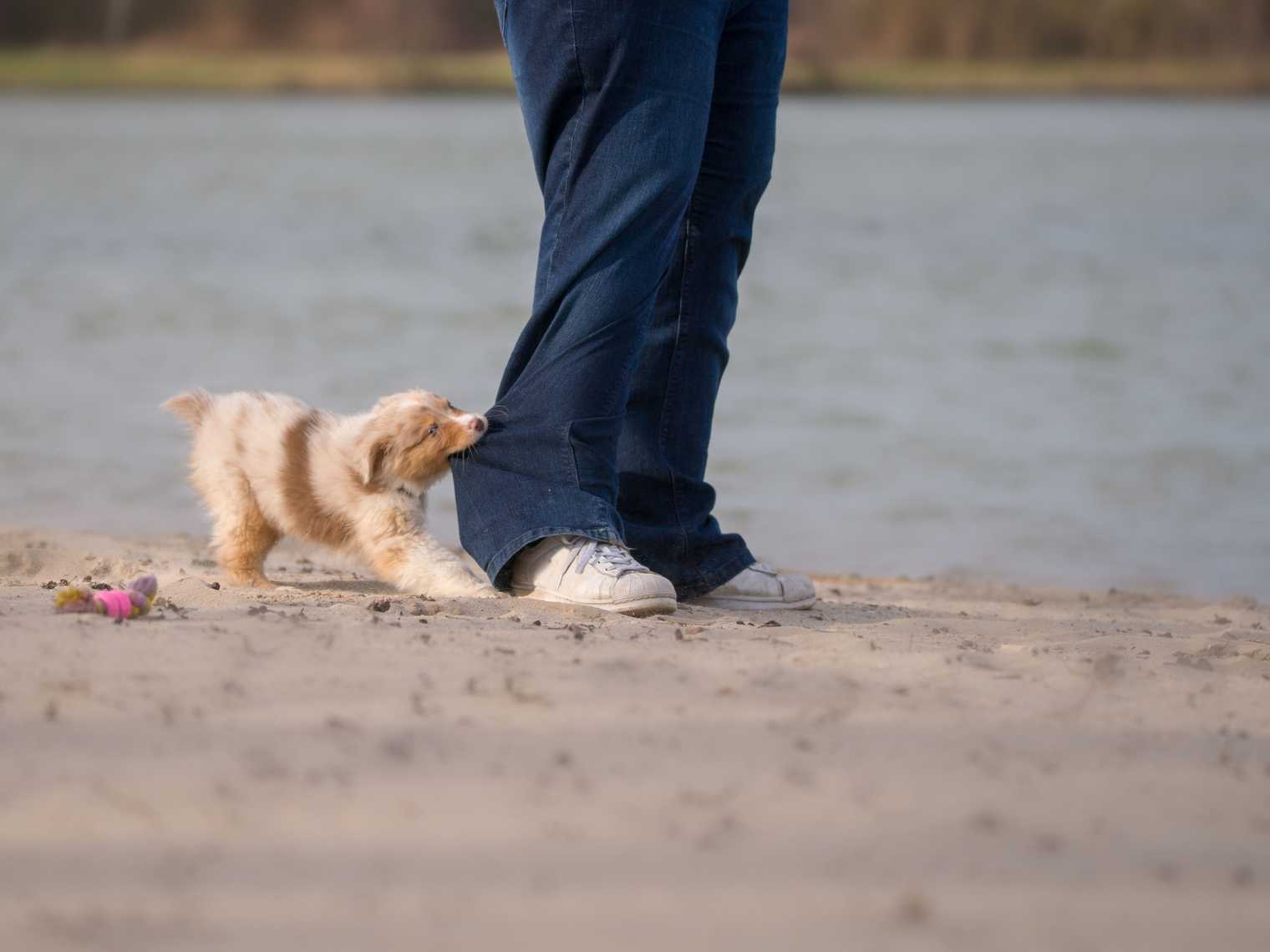
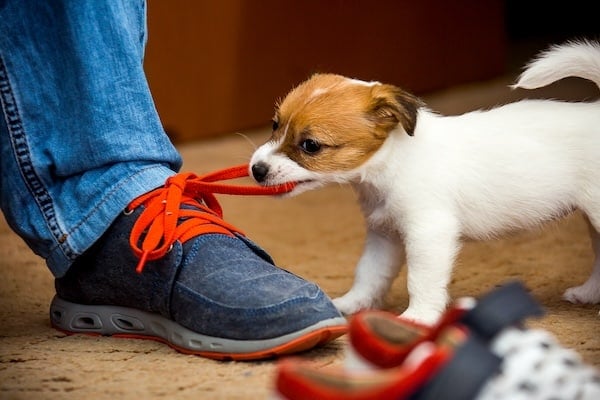

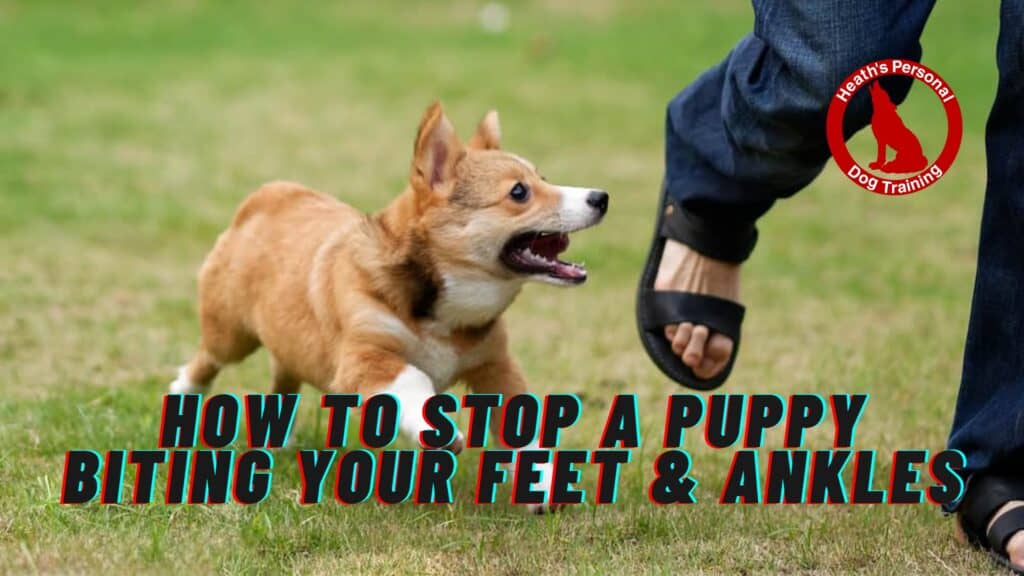


Breed, size, age, or health condition considerations dictate how intensely a puppy might pursue moving ankles and feet around the home.
Herding breeds such as Border Collies and Australian Shepherds possess an intense genetic predisposition to control movement by nipping at heels, requiring dedicated mental outlets. Smaller toy breeds have vulnerable tracheas and delicate joints, meaning a sudden human reaction to an ankle nip could inadvertently cause physical harm to the puppy. Teething pain, which typically peaks between four and six months of age when adult teeth erupt, can also drive a desperate need to chew on anything nearby. Tailoring management strategies to suit the specific breed traits and physical maturity of the individual dog yields the fastest, most humane results.
When to consult a vet includes persistent aggression, sudden behavioral shifts, or any sign that mouthing stems from underlying medical pain.
Professional veterinary guidance becomes essential if the nipping feels distinctly aggressive, lacks the bouncy quality of play, or breaks human skin repeatedly. Medical conditions such as ear infections, gastrointestinal discomfort, or joint pain can make a young animal irritable and hypersensitive to movement around them. Always confirm any dietary changes, supplement introductions, or persistent behavioral plans with a qualified veterinarian before implementing intensive training modifications. Professional oversight ensures that physical health issues are ruled out entirely before addressing the habit purely as a training challenge.
Closing out the journey of raising a balanced companion is easier with expert advice found right here at Home2Pet.
Navigating the nipping phase demands endless patience, clear boundaries, and a supportive community of fellow dog lovers who understand household chaos. Exploring the comprehensive guides available across Method and Occasion equips caregivers with practical strategies for every milestone of puppyhood. Visit Home2Pet.com regularly to discover fresh insights, expert tips, and heartwarming advice designed to help every canine companion thrive happily by your side.