
Supporting canine development through early dietary enrichment requires understanding proper nutritional milestones during the transition away from maternal milk.
According to the American Kennel Club, puppies undergo a crucial socialization and weaning window around two months of age where gentle dietary exploration supports lifelong health habits. During this developmental phase, tiny canines explore the world largely through their mouths, making appropriate training rewards a valuable tool for behavioral shaping. Crafting snacks at home allows caregivers to control every single component entering a developing digestive system. Observing a litter of young dogs navigate their first solid foods reveals an instinctive curiosity that can be safely channeled through wholesome, homemade rewards. Experienced veterinary technicians often notice that early positive reinforcement using soft, digestible morsels lays the foundation for cooperative veterinary handling later in life. Consequently, finding a reliable recipe 8 week old puppy treats supports both nutritional needs and early obedience milestones without overwhelming an immature stomach. Related guide: How To Stop Puppy Biting Everything.
💡 Pet Care Key Takeaways:
- Core Focus: Practical health, nutrition, and wellness guidelines for Recipe 8 Week Old Puppy Treats.
- Target Scope: Pet owners, animal caregivers, and veterinary support staff.
- Best Recommendation: Maintain consistent daily routines and consult an accredited veterinarian before introducing major diet or medical changes.
Recipe 8 week old puppy treats refers to formulating 100 percent natural, highly digestible, single-ingredient or minimalist snack options specifically tailored for weaning canines.
At eight weeks of age, a puppy’s digestive tract is still delicate and actively developing the necessary microflora to process complex proteins and fibers. Therefore, utilizing a targeted recipe 8 week old puppy treats means focusing on exceptionally soft textures, hypoallergenic components, and appropriately sized portions that prevent choking hazards. Unlike adult dog biscuits, which are hard and dense, these early snacks must be easily crumbled or licked from a finger during initial clicker training sessions. Examining what goes into these training aids ensures that growing bones and muscles receive clean energy without artificial preservatives or excessive sodium. Proper understanding of safe preparation techniques helps caregivers avoid common kitchen pitfalls that might upset a tiny stomach.
Introducing appropriate dietary rewards during the weaning stage promotes optimal gastrointestinal tolerance and accelerates foundational obedience learning.
Young canines process nutrients rapidly, requiring balanced energy sources that support high metabolic rates without causing loose stools. When caregivers utilize a gentle recipe 8 week old puppy treats, they actively minimize the risk of food sensitivities while encouraging eager participation in basic commands like sit, come, and focus. In clinical practice, puppies introduced to varied textures early in life show significantly fewer food-rejection behaviors as adults. Moreover, keeping treat sizes microscopic—roughly the size of a pea—ensures the total daily caloric intake from extras does not exceed the ten percent threshold recommended by veterinary nutritionists.
Treats should comprise no more than ten percent of a puppy’s daily caloric intake to prevent nutritional imbalances. — Association of American Feed Control Officials
Preparing safe, bite-sized snacks at home involves selecting pure, veterinarian-approved whole foods that require minimal processing.
Baking or pureeing single-source proteins like plain chicken breast combined with organic pumpkin puree creates an ideal base for delicate digestive systems. When executing a proper recipe 8 week old puppy treats, all components must be thoroughly cooked to eliminate harmful pathogens such as Salmonella or E. coli. Caregivers should blend ingredients into a smooth paste, bake until just set, and slice the final product into tiny, thumbnail-sized cubes before storage. Alternatively, freezing low-sodium bone broth in silicone molds provides soothing relief for inflamed gums during active teething phases. Exploring the Method section yields additional creative techniques for safe kitchen preparation.
Avoiding toxic additives, excessive fats, and hard textures remains paramount when preparing homemade snacks for baby dogs.
Certain common human foods, including garlic, onions, chocolate, xylitol sweetener, and macadamia nuts, are strictly poisonous to canines and must never enter puppy recipes. Furthermore, avoiding added sugars and heavy oils protects developing organs from unnecessary metabolic stress. A frequent mistake made by enthusiastic pet parents is offering pieces that are too large, which can easily obstruct a tiny windpipe or cause acute regurgitation. Consulting the Ingredients catalog helps verify which pantry staples remain completely safe for canine consumption.
Xylitol, an artificial sweetener found in many peanut butters and baked goods, causes rapid insulin release and liver failure in dogs. — American Society for the Prevention of Cruelty to Animals
Pet Care & Wellness Overview Table
| Life Stage | Daily Activity Level | Key Nutrition / Care Focus |
|---|---|---|
| Puppy / Kitten | High (frequent short bursts) | High-protein growth diet & early socialization |
| Adult Companion | Moderate (30–60 mins daily) | Balanced maintenance nutrition & dental hygiene |
| Senior Pets | Low to Gentle (mindful walks) | Joint support (Glucosamine) & routine vet checks |
Images References

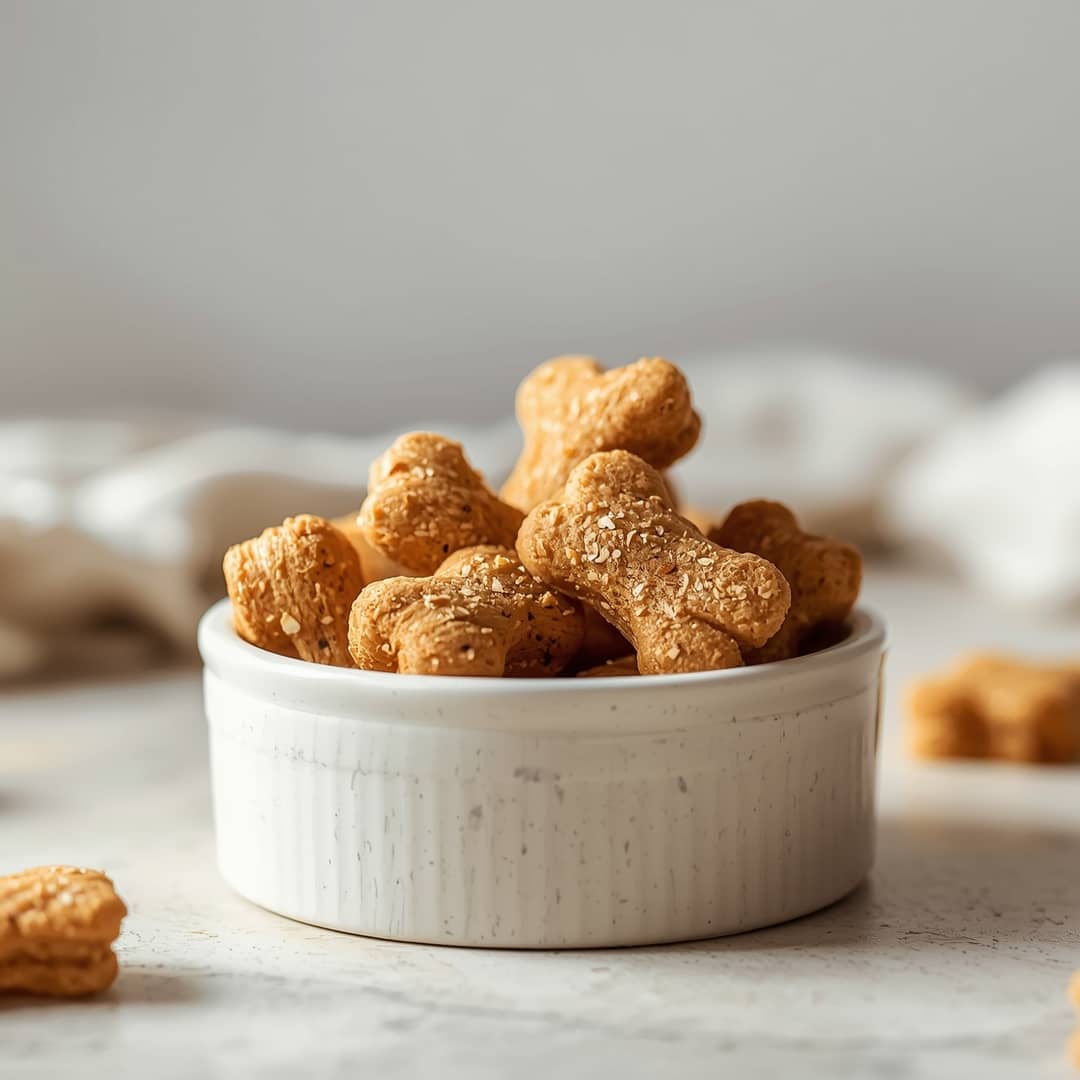
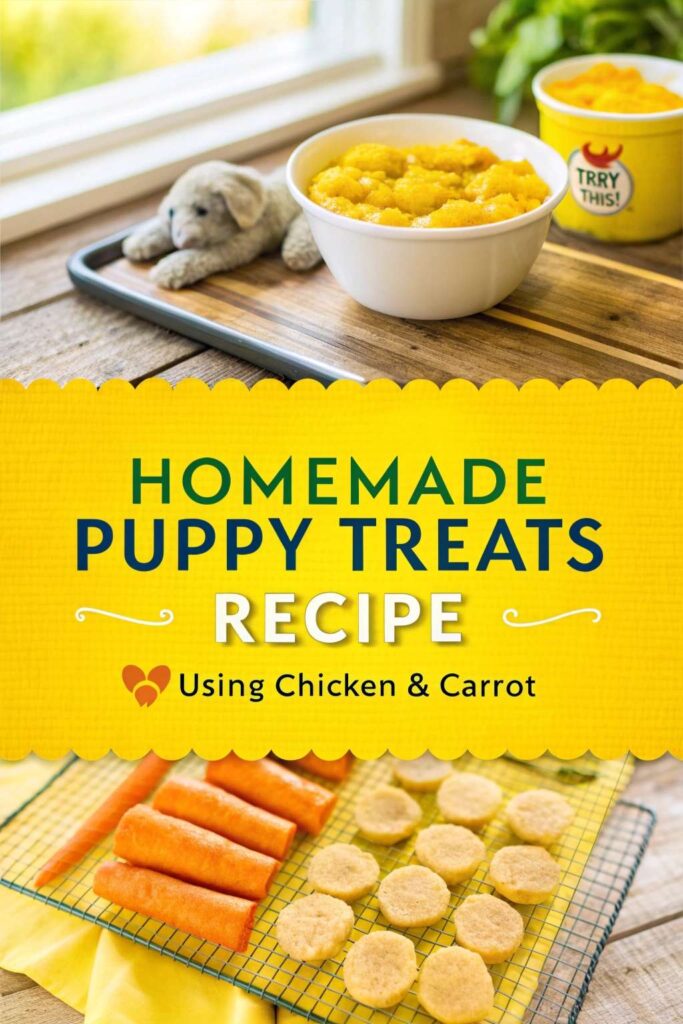
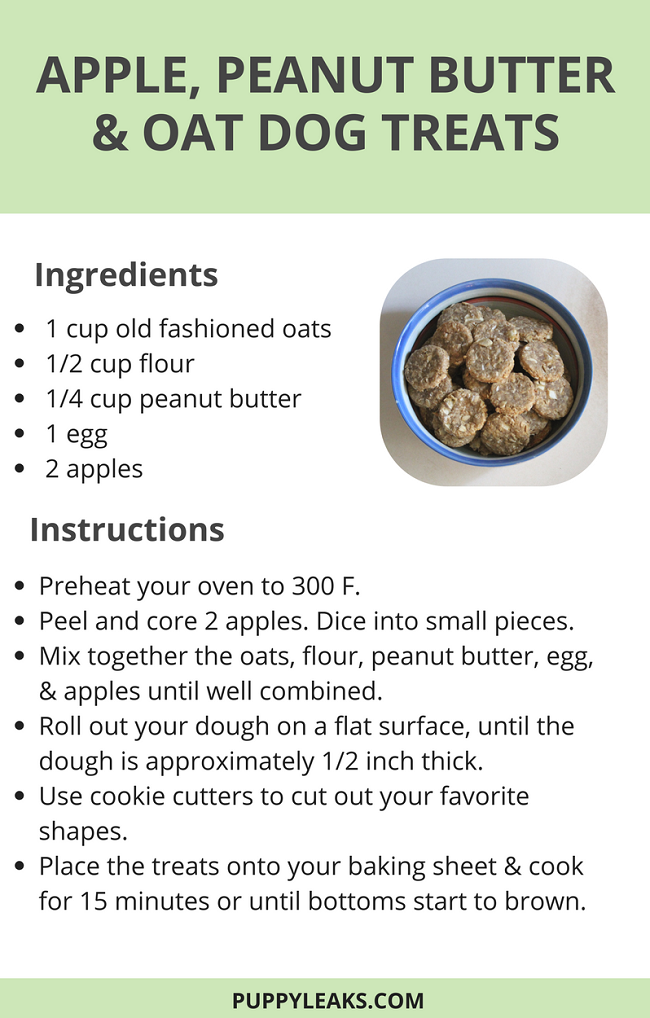
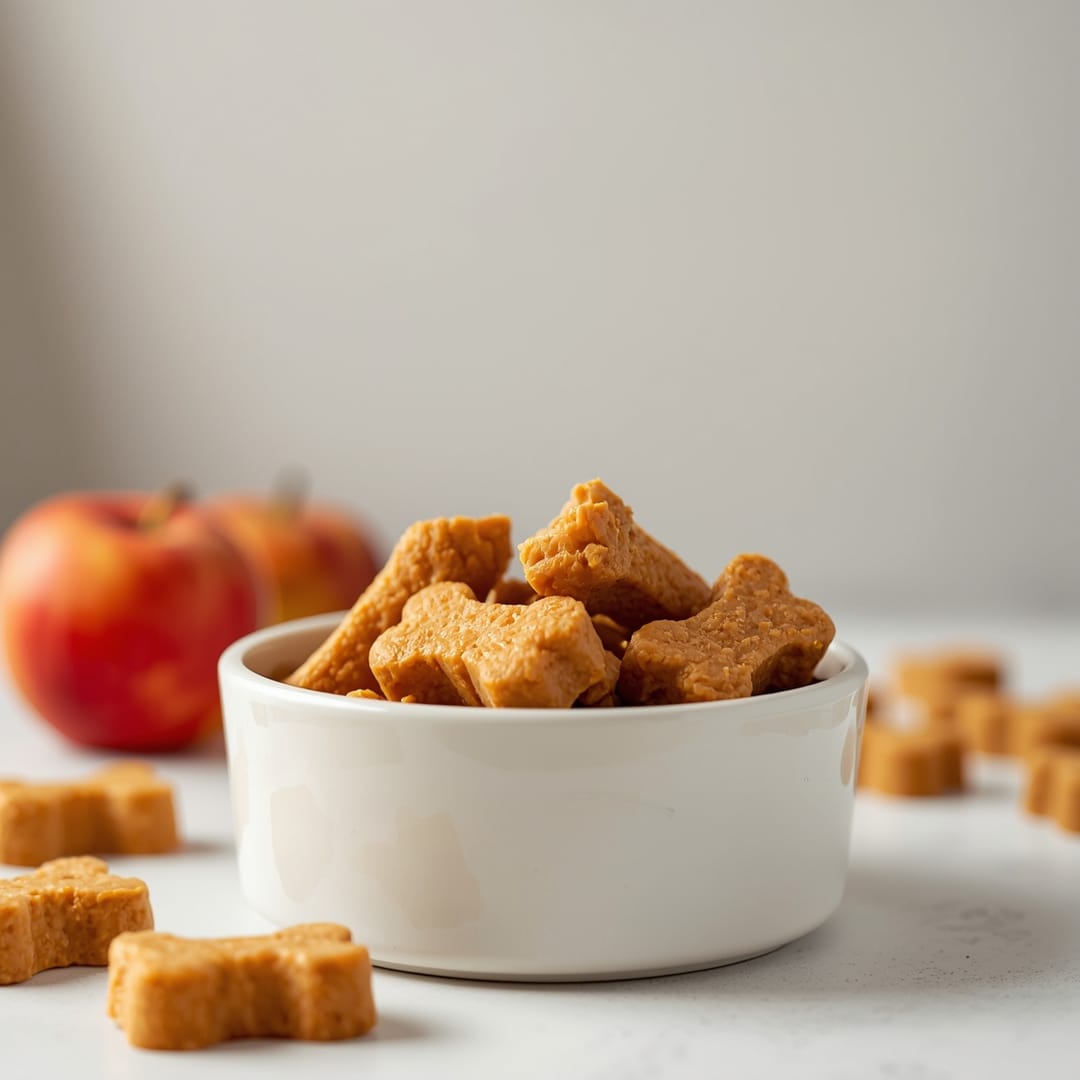
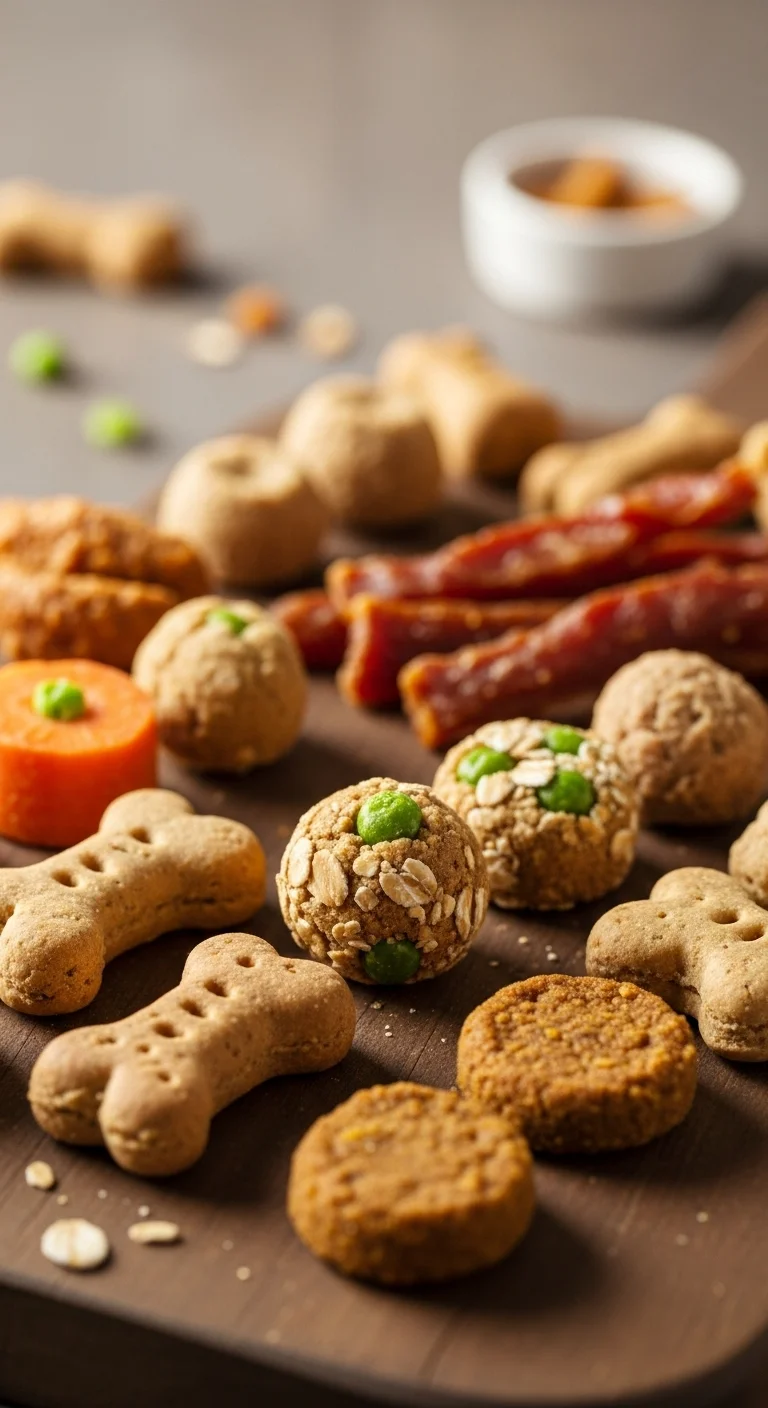


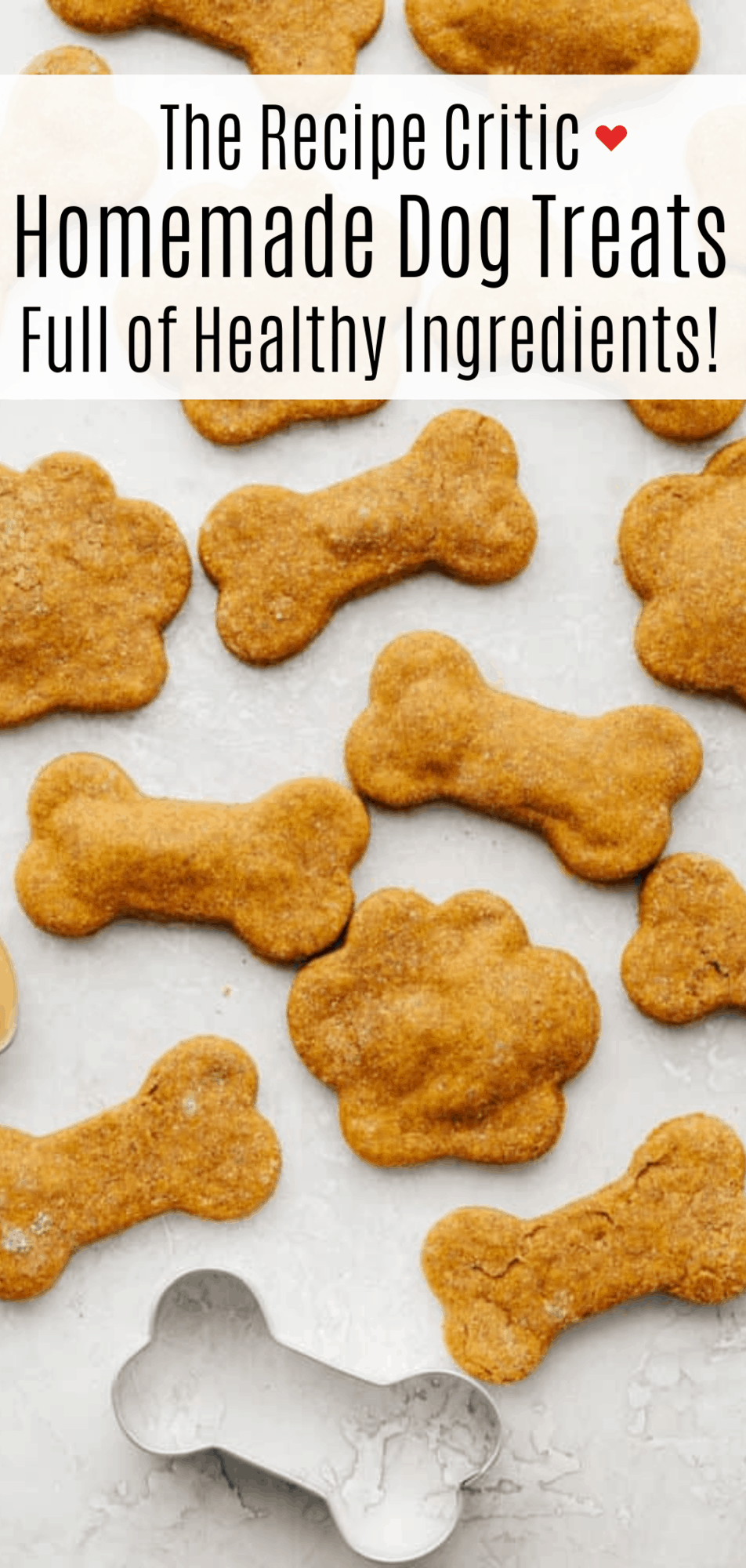
Breed size, individual metabolic rates, and sensitive stomach histories dictate necessary modifications to any standard puppy snack formula.
Toy breeds such as Chihuahuas or Pomeranians require micro-portions compared to large-breed puppies like Labrador Retrievers or German Shepherds, despite being the exact same chronological age. Monitoring stool quality after introducing any new food item serves as the most reliable indicator of digestive compatibility. If soft stools or flatulence occur, eliminating the recent addition immediately restores gastrointestinal harmony. For further guidance tailored to specific physical profiles, reviewing resources under Dog Type and Health provides valuable insights.
Professional veterinary guidance should always be sought before introducing homemade dietary modifications to an eight-week-old puppy’s regimen.
Because every canine possesses unique nutritional requirements based on genetics, growth velocity, and baseline health status, professional veterinary oversight remains indispensable. A licensed veterinarian can review specific ingredients to ensure they align with comprehensive growth charts and vaccination schedules. Addressing specific dietary inquiries during routine wellness checks prevents long-term nutritional deficiencies and safeguards developing organ systems. Exploring general care advice available through General & Others expands overall pet parenting knowledge.
Nurturing a healthy, happy canine companion begins in the kitchen with safe culinary choices and thoughtful positive reinforcement strategies.
Combining affectionate socialization with biologically appropriate nutrition sets the stage for a vibrant, energetic lifetime. Caregivers looking to celebrate special milestones can also explore ideas via Occasion. Visit Home2Pet.com regularly to discover trusted resources dedicated to optimal animal care and wellness.


