Understanding the exuberant nature of youthful sporting dogs requires patience and consistent household boundaries.
According to the American Kennel Club, sporting breeds require structured physical outlets and mental stimulation to prevent undesirable outlet behaviors during their formative developmental stages. Walk through any household welcoming a young retriever, and a whirlwind of paws and teeth often greets visitors at the door. Managing these high-energy outbursts is a fundamental part of responsible canine stewardship. Without clear guidance, puppy playfulness quickly escalates into frustrating habits that test the patience of even the most dedicated animal lovers. Related guide: Low Fat Dog Chew Bones.
💡 Pet Care Key Takeaways:
- Core Focus: Practical health, nutrition, and wellness guidelines for How To Stop A Labrador Jumping And Biting.
- Target Scope: Pet owners, animal caregivers, and veterinary support staff.
- Best Recommendation: Maintain consistent daily routines and consult an accredited veterinarian before introducing major diet or medical changes.
Labrador jumping and biting behaviors stem from natural predatory play, excitement, and a lack of impulse control.
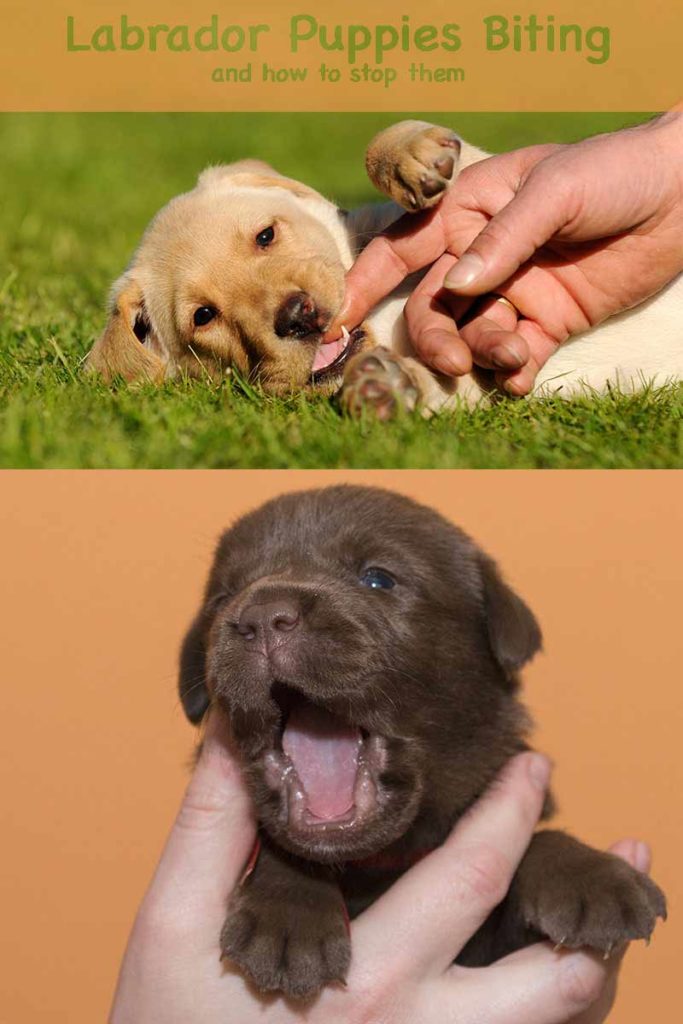
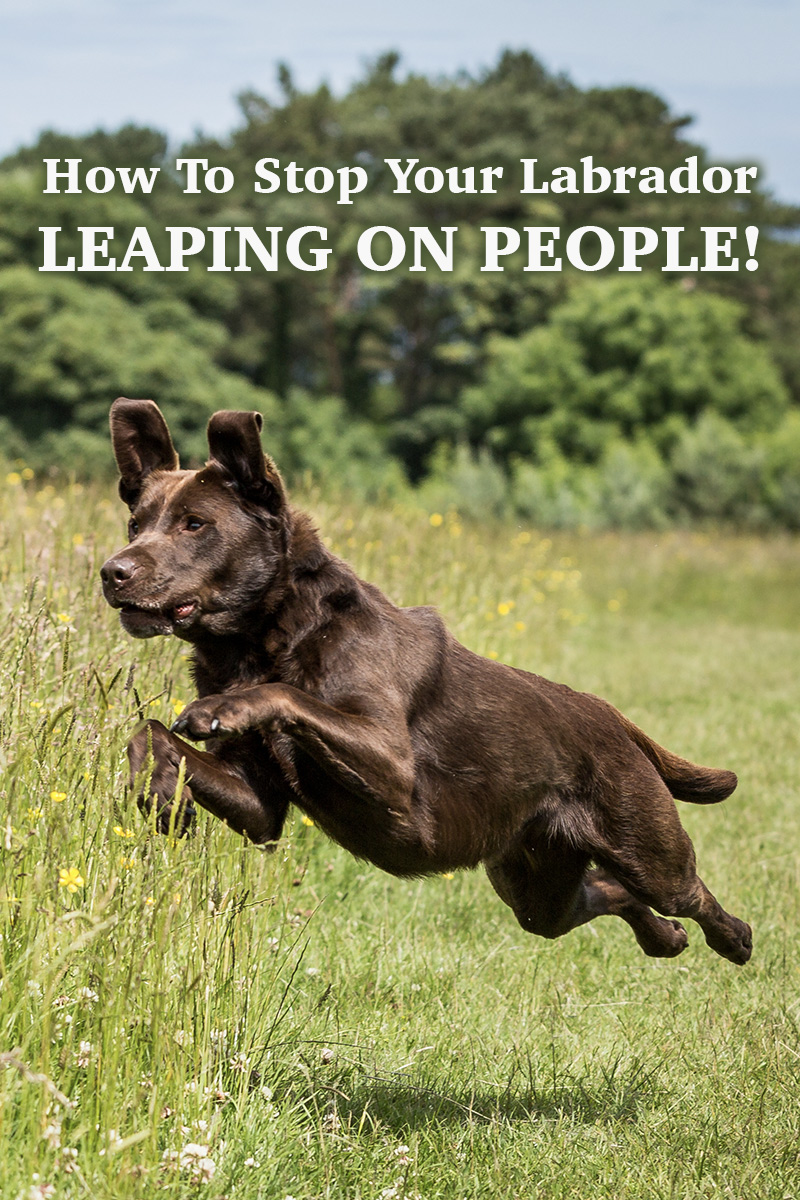
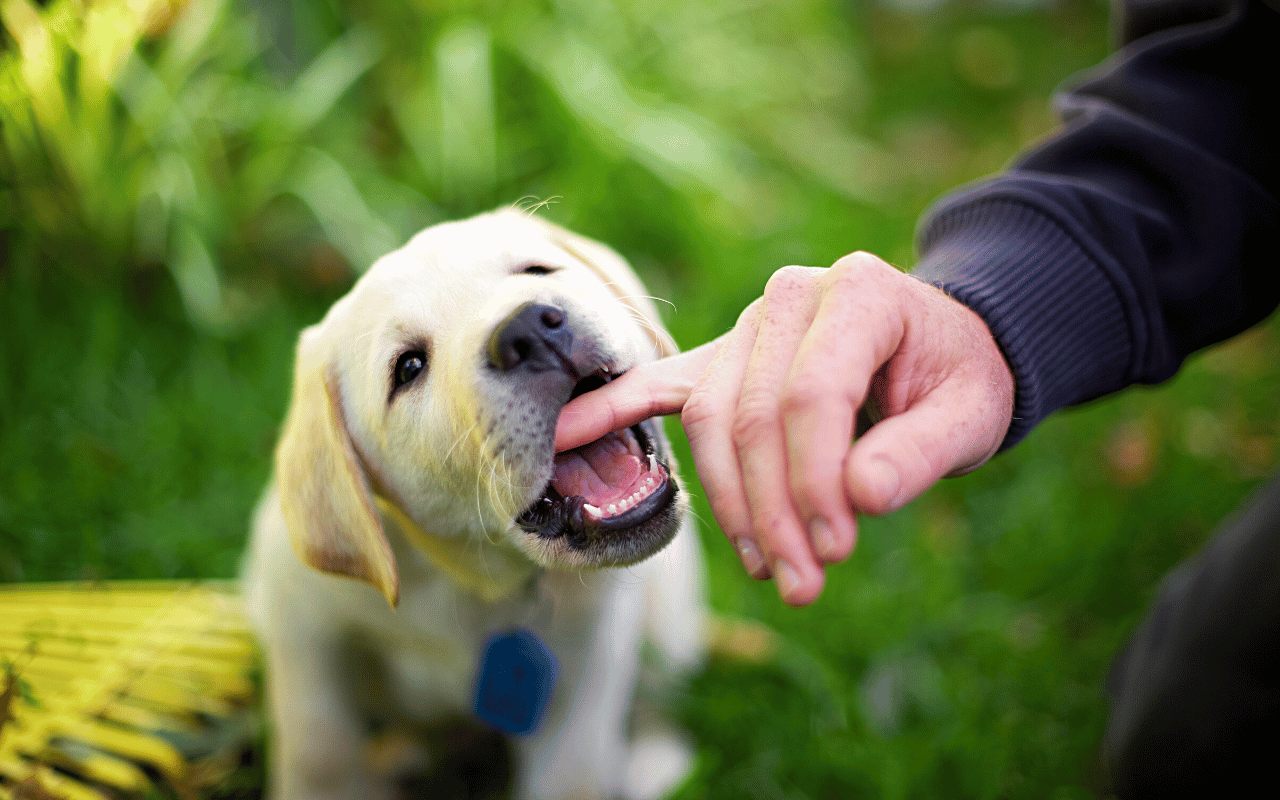
Addressing these behaviors effectively means recognizing that mouthing and vertical leaping are normal canine instincts rather than acts of aggression. Young retrievers explore the physical world through their mouths, testing textures and pressure limits much like human infants do with their hands. Furthermore, the strong propulsive drive of the breed naturally manifests as leaping toward human faces when greeting beloved family members. Understanding this biological foundation shifts the caretaker perspective from annoyance to constructive behavioral redirection.
Addressing these exuberant physical habits protects household harmony and promotes long-term canine joint wellness.
Unchecked leaping places undue stress on developing growth plates and joints, while enthusiastic mouthing can inadvertently breach human skin, creating safety concerns during daily interactions. Proper behavioral shaping ensures that growing canines learn appropriate social etiquette before reaching their full adult weight and strength. Establishing calm habits early on supports overall psychological stability and strengthens the bond between the animal and the human household.
Behavioral shaping and positive reinforcement significantly reduce adolescent mouthing incidents within the first year of life. — American Kennel Club
Implementing structured redirection techniques is the most effective approach for how to stop a labrador jumping and biting.
Consistency remains the cornerstone of any successful behavioral modification plan in a domestic environment. When an exuberant retriever approaches with paws raised or teeth bared, turning away silently removes the social reward they seek. Reinforcing calm, four-on-the-floor postures with high-value rewards teaches the animal that politeness yields better outcomes than frantic activity. Every member of the household must adhere to these identical rules to prevent confusion during the learning process.
Avoiding common pitfalls like physical reprimands ensures faster, more positive behavioral progress.
Reactions involving shouting, pushing, or hand-flailing frequently misfire by mimicking the chaotic energy of a lively game of tug-of-war. Instead, maintaining a neutral demeanor neutralizes the excitement and encourages the animal to settle down independently. Providing appropriate chew items from safe Ingredients alternatives directs oral fixation away from human clothing and limbs. Patience during these training sessions prevents anxiety and fosters mutual trust.
Positive reinforcement training methods produce more reliable behavioral compliance than traditional punishment-based approaches in domestic dogs. — American Veterinary Medical Association
Pet Care & Wellness Overview Table
| Life Stage | Daily Activity Level | Key Nutrition / Care Focus |
|---|---|---|
| Puppy / Kitten | High (frequent short bursts) | High-protein growth diet & early socialization |
| Adult Companion | Moderate (30–60 mins daily) | Balanced maintenance nutrition & dental hygiene |
| Senior Pets | Low to Gentle (mindful walks) | Joint support (Glucosamine) & routine vet checks |
Images References






Individual developmental stages, size variations, and temperament differences require customized training intensity.
Every individual animal matures at a distinct biological pace, meaning some adolescents require extended periods of structured impulse control exercises. Larger sporting types possess immense physical power even before reaching their full skeletal maturity, making early intervention essential for household safety. Reviewing general health through resources on Dog Type and Health helps caretakers understand breed-specific physical needs. Tailoring the daily routine to match the specific energy quota of the individual animal prevents boredom-induced outbursts.
Consulting a qualified veterinary professional is vital if behavioral outbursts involve sudden aggression or pain responses.
Persistent mouthing accompanied by growling, stiffness, or uncharacteristic snapping may indicate an underlying medical issue, such as dental discomfort or joint inflammation. Professional guidance ensures that all physical health parameters are thoroughly evaluated before dismissing the actions as mere puppy high spirits. Always confirm health-related decisions with a licensed veterinarian to rule out clinical abnormalities. Exploring structured options via Method guidance can assist in structuring professional consultations.
Establishing lifelong calm habits ensures a harmonious home environment for both humans and their canine companions.
Transforming an exuberant retriever into a polite household companion requires dedication, consistency, and an understanding of natural canine development. Celebrating small milestones along the way reinforces the progress achieved through daily practice. For more expert insights and lifestyle tips, visit Home2Pet.com and browse categories like Occasion and General & Others. Dedicating time to mindful training today builds a foundation of trust that lasts a lifetime.