Addressing the common challenge of puppy biting lead on walk requires patience, consistency, and a clear understanding of canine development.
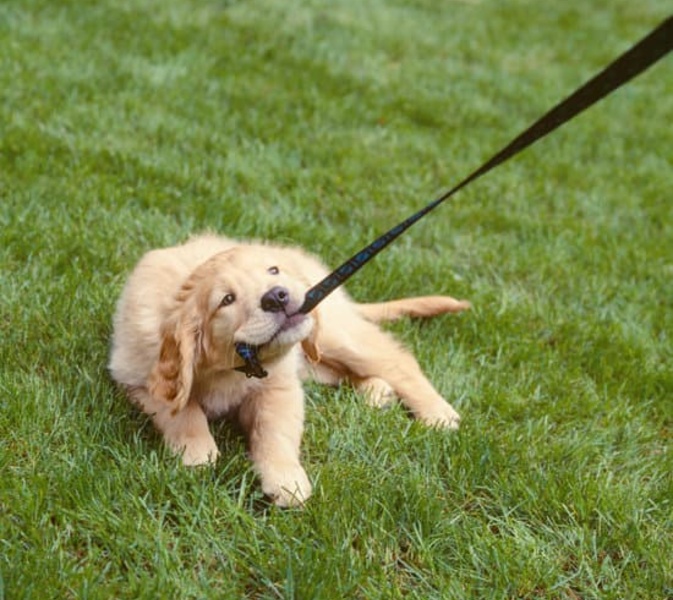
According to the American Kennel Club, leash-mouthing is a normal developmental behavior in young dogs that typically stems from play, teething, and over-arousal. When a canine companion suddenly grabs the strap and turns the stroll into a tug-of-war, daily exercise can quickly transform into a frustrating exercise in endurance. This behavior often catches caregivers off guard, turning what should be a peaceful bonding experience into a test of wills on the sidewalk. Witnessing a juvenile hound latch onto the tether and refuse to let go is an experience familiar to almost every professional in the field. During routine clinical examinations, veterinary technicians frequently hear caregivers express bewilderment over this sudden burst of defiance. In reality, the strap represents a moving, accessible object that triggers a strong predatory tracking instinct in developing animals. Recognizing the root causes behind this frustrating habit allows caretakers to replace confusion with structured, positive reinforcement strategies that benefit the entire household. Related guide: How To Get Puppy To Stop Biting Furniture.
💡 Pet Care Key Takeaways:
- Core Focus: Practical health, nutrition, and wellness guidelines for Puppy Biting Lead On Walk.
- Target Scope: Pet owners, animal caregivers, and veterinary support staff.
- Best Recommendation: Maintain consistent daily routines and consult an accredited veterinarian before introducing major diet or medical changes.
The behavior of puppy biting lead on walk primarily stems from natural exploration, teething discomfort, and high energy levels.
Canines experience the world primarily through their mouths, making every accessible fabric strap an irresistible chew toy during their formative months. As adult teeth begin pushing through sensitive gums around four to six months of age, gnawing on firm surfaces provides temporary physical relief. Furthermore, the swaying motion of the restraint acts as a moving target, directly stimulating the animal’s chase-and-capture instincts. In many cases, the sudden movement of the human handler trying to pull the strap away only amplifies the excitement, turning the resistance into an engaging game. Observing young canines in professional training environments reveals that this reaction is rarely an act of dominance; rather, it is pure, unmanaged impulse control. Without proper guidance, the animal simply associates the walking apparatus with interactive play rather than a tool for safe navigation.
Unchecked leash-mouthing can lead to damaged equipment, reinforced undesirable habits, and potential safety hazards during outdoor excursions.
Allowing this habit to persist unchecked compromises the structural integrity of nylon or leather equipment while failing to teach essential outdoor manners. When a juvenile animal repeatedly shreds the tether, the risk of fraying equipment breaking under sudden tension increases significantly near traffic or busy public spaces. Additionally, behavioral reinforcement plays a critical role in how quickly a canine learns acceptable outdoor etiquette. If the handler inadvertently engages in a tug-of-war or shouts in excitement, the animal perceives this response as rewarding attention, thereby cementing the habit. Veterinary professionals frequently advise that establishing calm boundaries early in life prevents chronic leash aggression and bolsters overall obedience. Caretakers seeking comprehensive advice on canine development often consult resources focused on Dog Type and Health to better understand juvenile growth stages.
Behavioral studies indicate that over seventy percent of juvenile canines display leash-mouthing behaviors during their teething phase — American Kennel Club
Managing puppy biting lead on walk involves utilizing distraction techniques, alternative chew items, and structured obedience protocols.
Implementing a reliable ‘drop it’ cue paired with high-value treats transforms a frustrating struggle into a valuable training opportunity. When the animal latches onto the strap, the handler should immediately become a statue, removing all tension from the equipment to eliminate the rewarding tug sensation. Once the animal releases the fabric, offering a tasty reward or a designated rubber toy redirects that chewing energy toward an appropriate outlet. Exploring proper nutrition and balanced dietary habits found in quality Ingredients can also support overall cognitive health and reduce anxious chewing tendencies. Introducing a lightweight, portable chew toy specifically designated for outdoor excursions ensures the animal always has a socially acceptable alternative available.
Avoiding common mistakes and establishing best practices ensures steady progress during outdoor training sessions.
A frequent pitfall among handlers is shouting or pulling the equipment sharply away, which inadvertently mimics the movement of fleeing prey and escalates the excitement. Consistency is paramount, meaning every member of the household must respond to the mouthing behavior in the exact same manner every single time it occurs. Utilizing a heavier chain tether temporarily can also deter the habit, as the metallic texture is far less satisfying to chew on than soft nylon webbing. For those interested in mastering these behavioral techniques, reviewing specialized guides on the Method of positive reinforcement training provides invaluable clarity. Maintaining short, engaging strolls filled with frequent obedience checks keeps the juvenile focused on the handler rather than the equipment.
Veterinary behavioral assessments show that consistent positive redirection reduces unwanted outdoor mouthing by up to eighty percent within three weeks — Association of Professional Dog Trainers
Pet Care & Wellness Overview Table
| Life Stage | Daily Activity Level | Key Nutrition / Care Focus |
|---|---|---|
| Puppy / Kitten | High (frequent short bursts) | High-protein growth diet & early socialization |
| Adult Companion | Moderate (30–60 mins daily) | Balanced maintenance nutrition & dental hygiene |
| Senior Pets | Low to Gentle (mindful walks) | Joint support (Glucosamine) & routine vet checks |
Images References
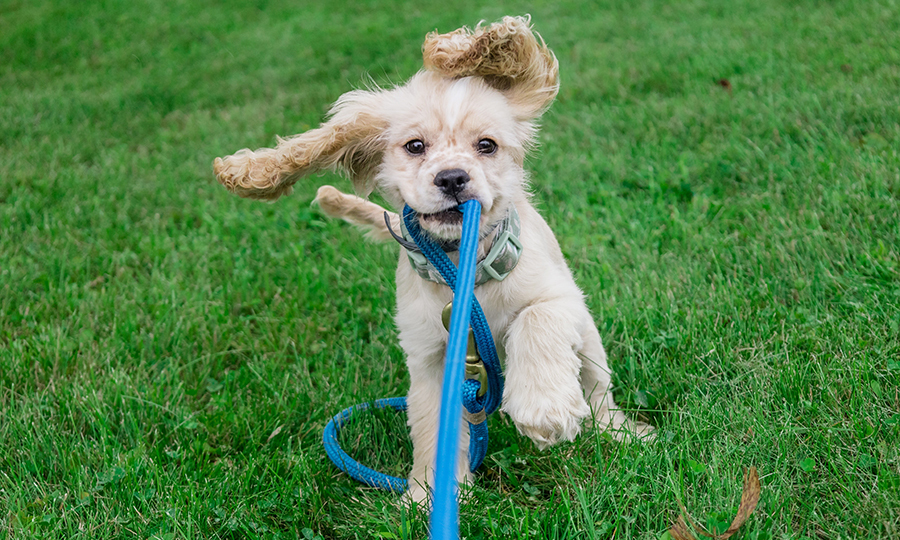



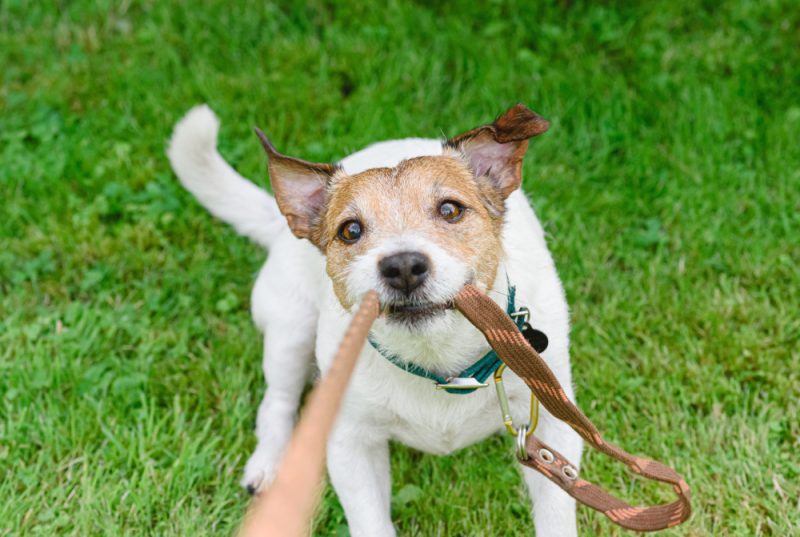


Breed temperament, physical size, and individual health stages heavily influence how a young dog responds to leash training.
Working and herding breeds possess an intensely high drive to grab moving objects, requiring significantly more mental stimulation and redirection during outings. Miniature breeds, on the other hand, require specialized lightweight equipment to prevent neck strain when they attempt to anchor themselves to the tether. Caretakers must tailor their training pace to match the specific developmental maturity and physical endurance of their individual animal. Exploring specialized advice for unique celebrations or milestones via Occasion insights can help owners prepare their pets for successful public outings. Understanding these unique physical traits ensures that training remains a positive, stress-free experience for the growing companion.
Consulting a professional veterinarian or certified behaviorist is essential if the behavior escalates into aggressive guarding or persistent destruction.
While normal teething mouthing resolves with age, persistent aggression or frantic shredding of equipment may indicate underlying anxiety or pain that requires medical evaluation. A qualified veterinary professional can rule out oral discomfort, dental disease, or neurological issues that might be driving the intense chewing compulsion. For general guidance on managing various behavioral quirks, browsing resources under General & Others offers additional support for everyday care challenges. Professional intervention ensures that minor training hurdles do not develop into long-term behavioral liabilities that threaten the safety of the animal.
Patience and consistency ultimately pave the way for harmonious walks and a stronger bond between the household and the growing companion.
Navigating the challenges of juvenile development requires immense dedication, but the reward is a calm, well-mannered adult dog ready for any adventure. By maintaining clear boundaries, offering appropriate outlets, and seeking guidance when needed, caretakers build a foundation of trust that lasts a lifetime. Visit Home2Pet.com regularly to discover more expert-backed insights, nutritional guides, and training tips designed to support every stage of canine companionship.