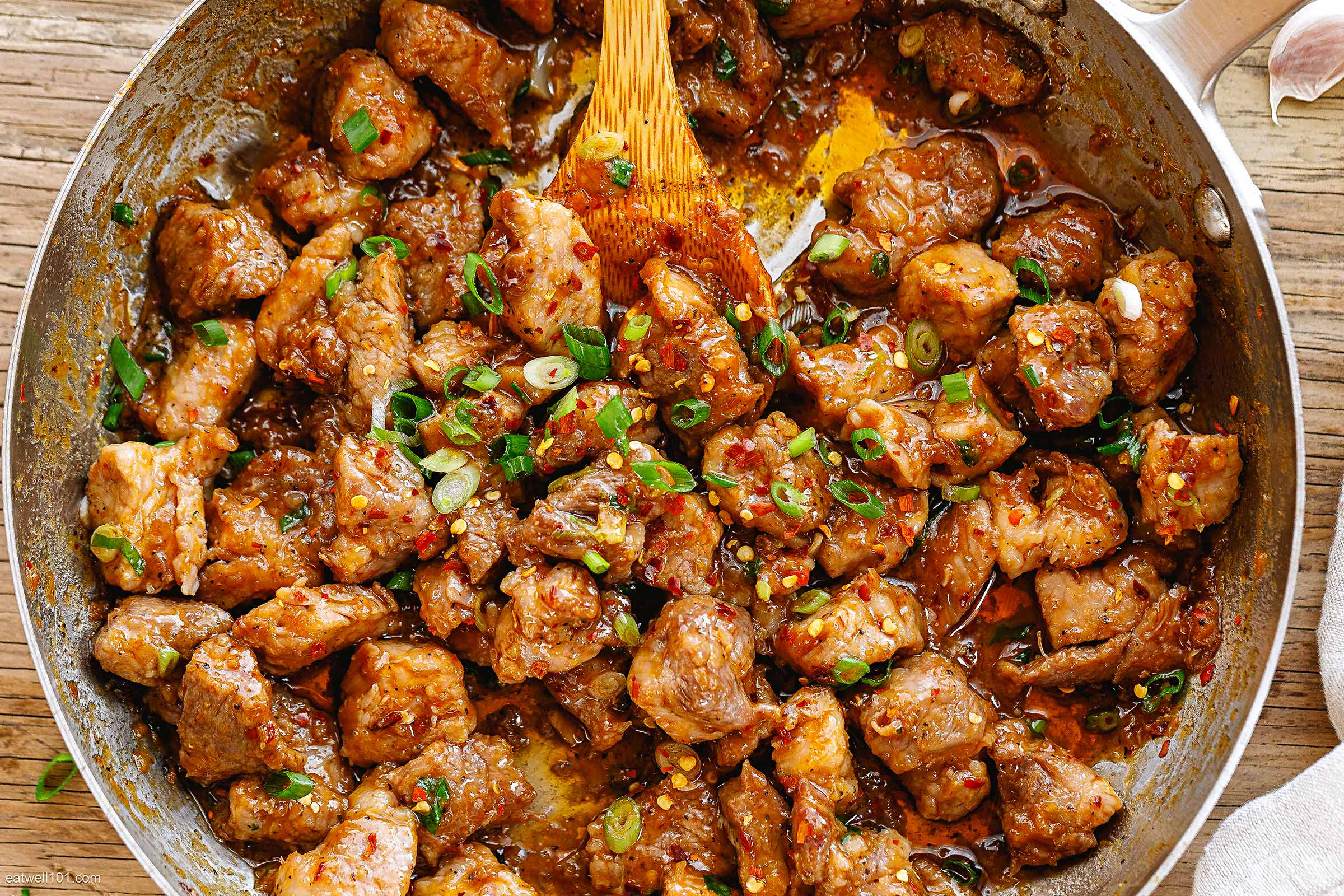
Nourishing small companion dogs requires understanding specific nutritional needs, especially when tailoring meals for popular crossbreeds like the Cavoodle.
According to the American Veterinary Medical Association, balanced homemade nutrition has gained significant popularity among pet owners seeking greater transparency over what enters their animals’ bowls. Preparing fresh meals at home offers absolute control over quality, yet it demands rigorous attention to dietary balance. When managing Dog Type and Health, veterinarians frequently emphasize that smaller crossbreeds have distinct metabolic rates compared to giant breeds. Consequently, transitioning to kitchen-prepared diets requires careful formulation to prevent nutrient deficiencies or excesses.
💡 Pet Care Key Takeaways:
- Core Focus: Practical health, nutrition, and wellness guidelines for Cavoodle. Homemade Recipes. Pork.
- Target Scope: Pet owners, animal caregivers, and veterinary support staff.
- Best Recommendation: Maintain consistent daily routines and consult an accredited veterinarian before introducing major diet or medical changes.
Cavoodle homemade recipes utilizing pork provide a lean, highly digestible protein source that appeals strongly to selective eaters.
Pork is a nutrient-dense meat packed with essential amino acids, thiamine, and selenium, making it a fantastic addition to canine nutrition when properly prepared. Cavoodles—a beloved cross between a Poodle and a Cavalier King Charles Spaniel—often possess delicate digestive systems alongside enthusiastic appetites. Incorporating fresh Ingredients like lean cuts of pork into a rotation helps diversify amino acid profiles while keeping mealtime exciting. However, raw or improperly cooked pork must always be avoided due to the severe parasite risks associated with uncooked swine muscle tissue.
Balanced protein sources directly impact canine muscle development, coat luster, and overall daily vitality.
High-quality proteins supply the building blocks necessary for tissue repair, immune function, and sustained energy levels throughout the day. In clinical practice, canine nutritionists frequently observe that dogs transitioned to fresh, whole-food diets develop noticeably shinier coats and firmer stools compared to those fed heavily processed alternatives. Furthermore, lean pork meat supplies ample B-vitamins, which support optimal neurological function and metabolic health in lively companion dogs. Ensuring these nutrients are present in correct proportions prevents long-term nutritional imbalances. Related guide: Frozzys Frozen Yogurt For Dogs.
Proper dietary balance and thorough cooking are essential when feeding fresh meats to companion animals to prevent nutritional deficiencies and foodborne illness. — American Kennel Club
Preparing safe pork dishes for small companion dogs requires strict adherence to proper cooking techniques and strict avoidance of harmful seasonings.
Every home cook should master the correct Method for preparing canine meals, which always starts with thoroughly boiling, baking, or roasting the meat until it reaches a safe internal temperature. Never add garlic, onions, salt, or rich gravies to the pork, as these common kitchen additions are notoriously toxic to dogs. After cooking, all visible excess fat should be trimmed away, and the meat must be chopped into tiny, manageable pieces suitable for a small toy-sized mouth. Mixing the protein with vet-approved carbohydrates and vegetables creates a complete bowl that supports daily canine wellness.
Avoiding common kitchen pitfalls ensures homemade meals remain safe and genuinely beneficial for delicate stomachs.
One frequent mistake involves feeding cooked pork bones, which easily splinter and cause life-threatening gastrointestinal obstructions or perforations. Additionally, serving meals without a registered veterinary nutritionist-approved vitamin and mineral supplement can lead to severe calcium and phosphorus imbalances over time. Establishing a structured feeding routine helps monitor intake, making Occasion treats or special meal changes much safer to manage. Observing how the digestive tract responds to new proteins allows caregivers to adjust portion sizes gradually without causing sudden stomach upset.
Cooked bones of any kind pose a severe hazard to dogs, frequently resulting in splintering, choking, and internal blockages. — American Society for the Prevention of Cruelty to Animals
Pet Care & Wellness Overview Table
| Life Stage | Daily Activity Level | Key Nutrition / Care Focus |
|---|---|---|
| Puppy / Kitten | High (frequent short bursts) | High-protein growth diet & early socialization |
| Adult Companion | Moderate (30–60 mins daily) | Balanced maintenance nutrition & dental hygiene |
| Senior Pets | Low to Gentle (mindful walks) | Joint support (Glucosamine) & routine vet checks |
Images References
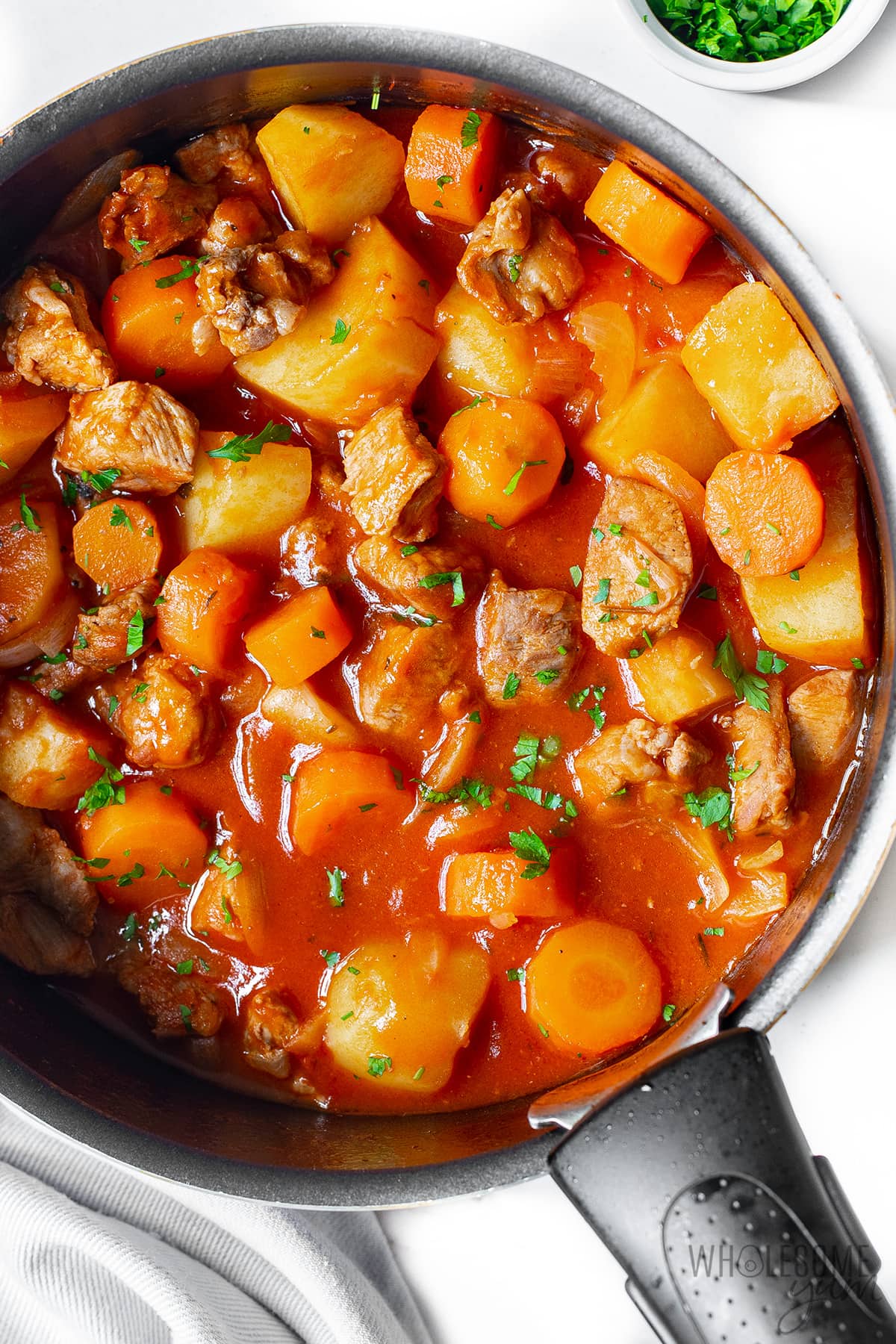

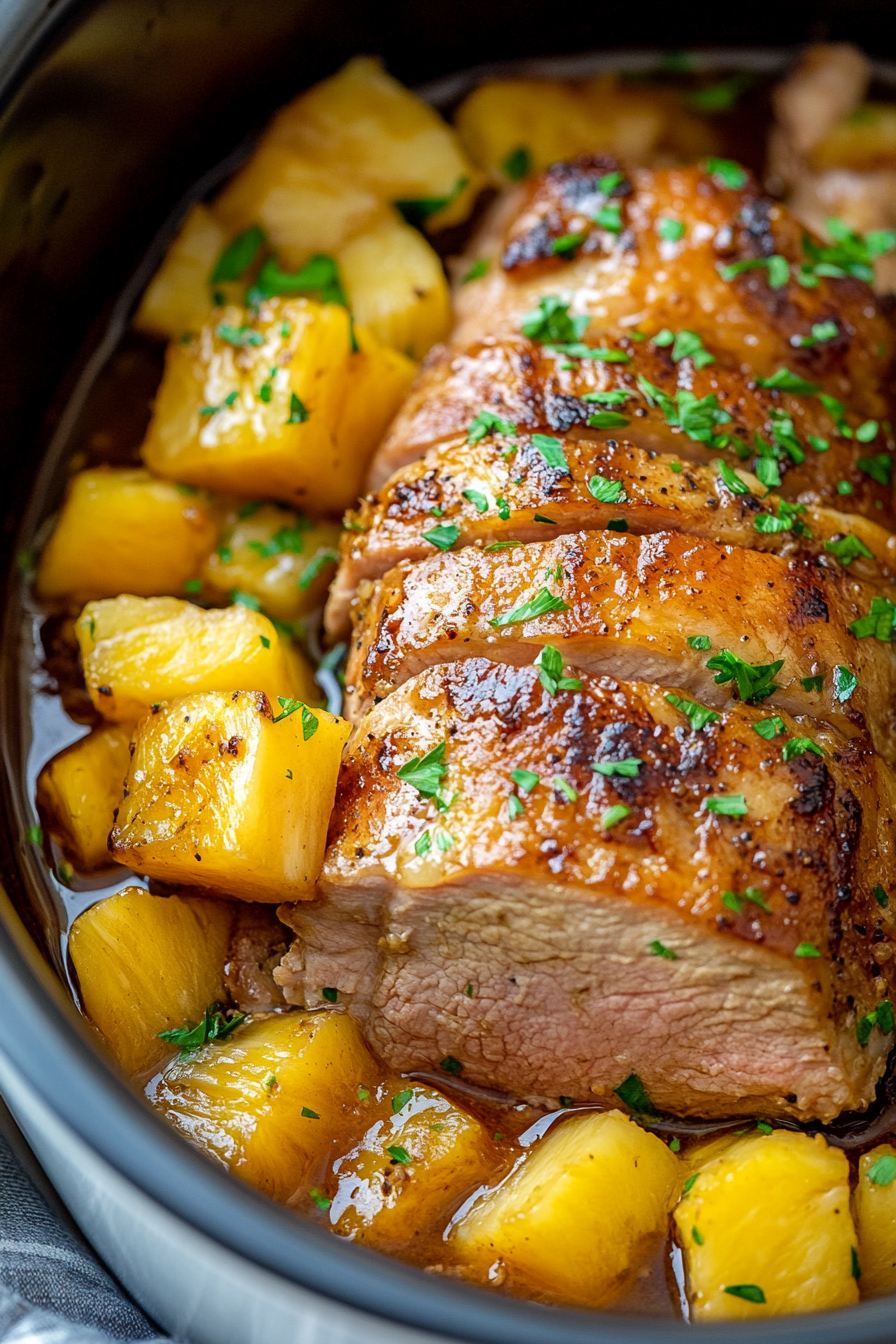

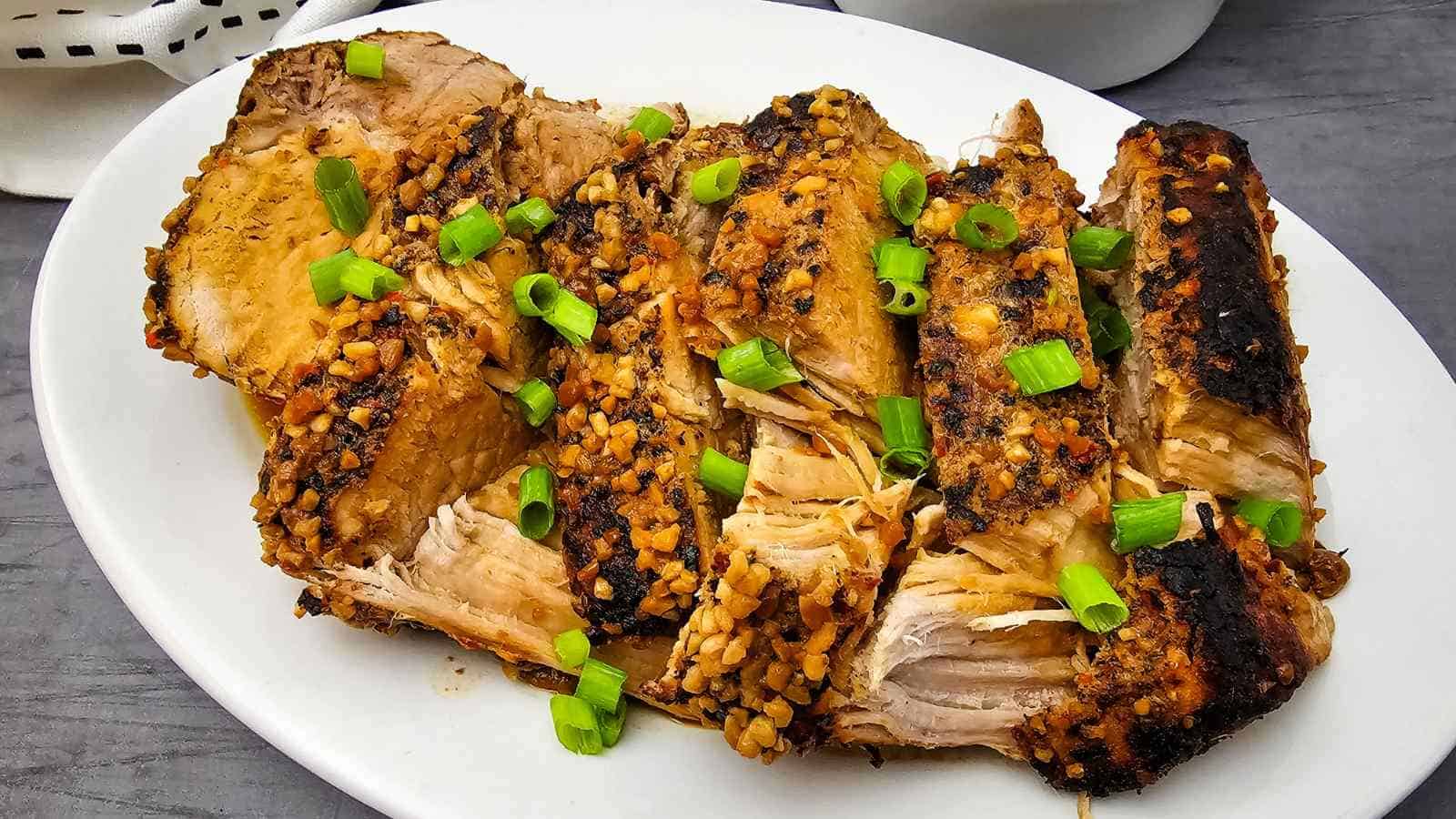
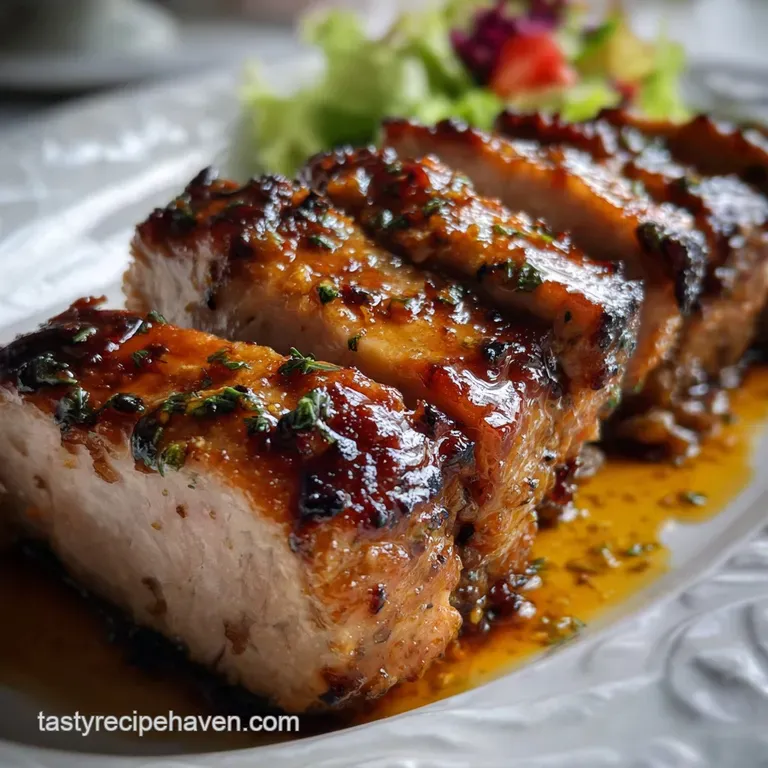
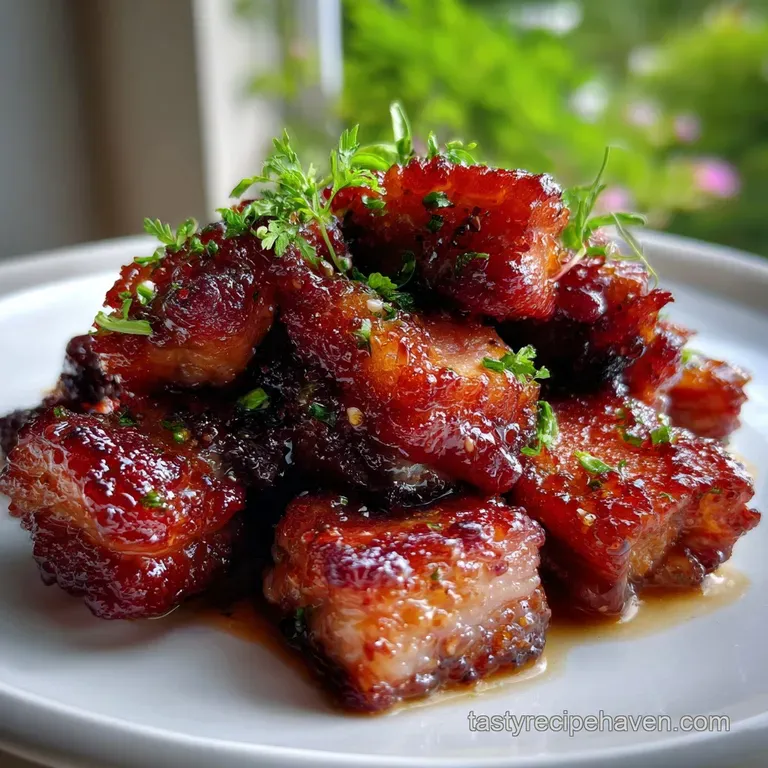


Life stage, adult body weight, and individual metabolic factors dictate the exact portion sizes required for safe daily feeding.
Growing puppies, active adults, and senior dogs all require different caloric densities and nutrient ratios to maintain optimal body condition. Because adult Cavoodles typically range from small to medium-toy sizes, their daily caloric needs are surprisingly low compared to larger working breeds, making precise measurement vital. Overfeeding dense proteins can quickly lead to unwanted weight gain, which places excess strain on small joints and the cardiovascular system. Consulting comprehensive resources on General & Others related care helps owners navigate these complex weight management challenges effectively.
Consulting a qualified veterinarian or veterinary nutritionist is vital before making any permanent changes to a dog’s regular diet.
Professional veterinary guidance ensures that homemade meal plans meet all established nutritional standards for long-term health and vitality. Practitioners can review specific recipes to verify that calcium-to-phosphorus ratios and micronutrient profiles align with established safe ranges for specific breeds. If a dog exhibits signs of food intolerance, lethargy, or digestive distress after consuming a new protein source, veterinary professionals can quickly pinpoint the issue and recommend safer dietary alternatives.
Exploring trusted nutritional resources empowers pet owners to provide the highest standard of daily care and culinary enrichment.
Caring for a beloved companion involves continuous learning about safe ingredients, balanced nutrition, and appropriate cooking techniques. Caregivers are encouraged to explore additional educational guides available across Home2Pet.com to discover more tips on feline and canine wellness. By combining veterinary guidance with dedicated kitchen preparation, every pet owner can serve wholesome, delicious meals that support a long, happy life.


