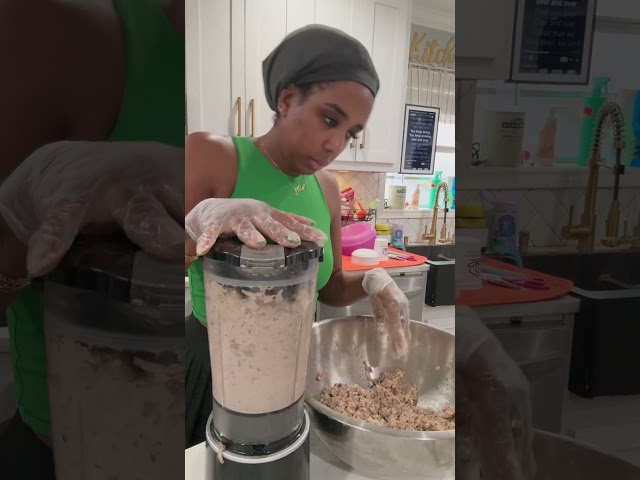
Best Home Made Puppy Food
Providing your puppy with the best possible nutrition is crucial for their growth and development. While commercial puppy food is readily available, many dog owners are turning to the concept of best home made puppy food for its perceived health benefits and control over ingredients. A puppy’s dietary needs are significantly different from those of adult dogs, requiring a higher proportion of protein and fat to support their rapid growth. Choosing the right food can influence everything from bone development to immune system strength. However, crafting a balanced diet at home requires careful consideration and research. Is it genuinely healthier? What are the potential pitfalls of bypassing commercially formulated options? And how can you ensure your puppy receives all the nutrients they need without risking deficiencies or imbalances? This guide explores the world of homemade puppy food, offering insights into creating a nutritious and safe diet for your furry friend.
💡 Pet Care Key Takeaways:
- Core Focus: Practical health, nutrition, and wellness guidelines for Best Home Made Puppy Food.
- Target Scope: Pet owners, animal caregivers, and veterinary support staff.
- Best Recommendation: Maintain consistent daily routines and consult an accredited veterinarian before introducing major diet or medical changes.
The allure of best home made puppy food lies in the ability to select fresh, whole ingredients, avoiding the preservatives and artificial additives often found in commercial brands. A home-cooked diet can also be tailored to address specific allergies or sensitivities your puppy might have. However, formulating a nutritionally complete and balanced homemade puppy food requires understanding their specific nutrient requirements. Puppies need higher levels of calcium and phosphorus for bone development than adult dogs, and an imbalance can lead to serious skeletal problems. Consulting with a veterinary nutritionist is highly recommended before switching your puppy to a homemade diet. They can help you create a recipe that meets your puppy’s individual needs and ensure you’re using the correct proportions of protein, carbohydrates, fats, vitamins, and minerals. Key considerations include sourcing high-quality protein like lean meats, poultry, or fish, and supplementing with essential fatty acids like Omega-3 and Omega-6, which are vital for brain development and a healthy coat. Related guide: How To Get Puppy To Stop Biting Furniture.
If you’re determined to provide the best home made puppy food, here are some essential tips for dog owners. First and foremost, never feed your puppy cooked bones, as they can splinter and cause internal damage. Ensure all ingredients are fresh and properly cooked to eliminate harmful bacteria. Avoid ingredients that are toxic to dogs, such as chocolate, onions, garlic, grapes, and raisins. When introducing new foods, do so gradually to avoid digestive upset. Monitor your puppy’s weight and body condition closely. Consult with your veterinarian if you notice any signs of digestive issues, weight loss, or lethargy. Remember, a homemade diet requires more planning and preparation than simply opening a bag of kibble. Consistency is key. Furthermore, regularly rotating ingredients may help provide broader nutritional coverage. The extra effort will be worthwhile if your puppy receives a well-balanced diet tailored to his specific needs.
Pet Care & Wellness Overview Table
| Life Stage | Daily Activity Level | Key Nutrition / Care Focus |
|---|---|---|
| Puppy / Kitten | High (frequent short bursts) | High-protein growth diet & early socialization |
| Adult Companion | Moderate (30–60 mins daily) | Balanced maintenance nutrition & dental hygiene |
| Senior Pets | Low to Gentle (mindful walks) | Joint support (Glucosamine) & routine vet checks |
Images References :
For more expert pet care tips and advice, check out our dedicated Dog Type and Health guides to keep your companions healthy and happy.