Understanding the intense phase of eight-week puppy hyper biting requires immense patience and professional insight.
According to the American Kennel Club, early behavioral challenges like intense nipping and boundless energy peaks are entirely normal developmental milestones for young canines. Welcoming a new canine companion brings immense joy, yet the sudden onslaught of needle-sharp teeth can quickly overwhelm any household. During decades of clinical practice within veterinary clinics, countless exhausted pet guardians have walked through doors seeking immediate relief from relentless ankle attacks and frenzied evening outbursts. Recognizing that this chaotic behavior stems from normal developmental stages rather than aggression helps reframe the daily struggle into a manageable training journey. Establishing consistency early on transforms a stressful environment into a calm, structured space where both human and animal can thrive harmoniously. Related guide: How To Get Puppy To Stop Biting Furniture.
💡 Pet Care Key Takeaways:
- Core Focus: Practical health, nutrition, and wellness guidelines for 8 Week Puppy Hyper.Biting.
- Target Scope: Pet owners, animal caregivers, and veterinary support staff.
- Best Recommendation: Maintain consistent daily routines and consult an accredited veterinarian before introducing major diet or medical changes.
What 8 week puppy hyper biting represents is a natural developmental phase driven by sensory exploration and physical teething.
This specific behavioral phenomenon occurs because newborns experience the world primarily through their mouths, much like human infants grasping objects with their hands. At this tender age, littermates constantly wrestle, bite, and mouth one another, learning crucial boundaries through immediate, vocal feedback. When a domestic dog joins a human household, those same instinctive biting habits are inadvertently directed toward moving fingers, pant legs, and bare toes. In professional handling environments, observing a litter interact reveals that sharp cries from peers immediately halt play, providing a biological blueprint for teaching gentle pressure control. Translating this natural communication style into human interactions serves as the foundational key to curbing aggressive mouthing safely and effectively.
Unchecked mouthing habits during early development can inadvertently escalate into adult behavioral challenges if boundaries are not established consistently. Puppies require balanced physical activity combined with mental enrichment to prevent frustration-driven hyperactivity from dominating their daily routines. Furthermore, proper nutritional support plays a subtle yet vital role in maintaining stable energy levels throughout the day. Selecting appropriate dietary formulations helps avoid sudden spikes in excitability, ensuring the animal remains receptive to basic obedience training sessions. For comprehensive dietary advice, exploring resources within Ingredients and Dog Type and Health can guide owners toward optimal nutritional choices for growing canines.
Early socialization and bite inhibition training significantly reduce aggressive tendencies in adult dogs. — American Kennel Club
How to manage 8 week puppy hyper biting involves redirecting excess energy toward acceptable chew items and implementing timeouts.
Managing this high-intensity phase successfully requires a proactive approach centered on redirection rather than harsh physical reprimands. When a sudden frenzy strikes, immediately offering an approved, durable chew toy provides an acceptable outlet for those sharp primary teeth. In veterinary settings, professionals frequently recommend keeping specialized rubber toys chilled in the refrigerator to soothe inflamed gums during active teething phases. Furthermore, abruptly ending playtime by standing completely still and ignoring the animal teaches a powerful lesson that teeth-on-skin contact makes human playmates disappear instantly. Combining these positive reinforcement techniques with structured routines encourages calm behavior without damaging the trusting bond between animal and guardian.
Crucial tips, common mistakes to avoid, and best practices for curbing excessive nipping.
Avoid the common mistake of waving hands rapidly or using high-pitched squeals that mimic fleeing prey, as this instinctively triggers a predatory chase response. Instead, keep movements slow, deliberate, and predictable during high-energy episodes to help the animal naturally de-escalate. Establishing predictable daily schedules for naps, feeding, and interactive play prevents the overtired, cranky meltdowns that frequently trigger sudden biting sprees. Many owners overlook the simple fact that a sleeping baby is a well-behaved baby; adequate rest is just as important as physical exercise. For additional structured techniques on behavioral management, reviewing insights found in Method offers valuable guidance for daily routines.
Over-tired puppies frequently exhibit hyperactive, aggressive nipping behaviors that resolve quickly with enforced nap times. — American Veterinary Medical Association
Pet Care & Wellness Overview Table
| Life Stage | Daily Activity Level | Key Nutrition / Care Focus |
|---|---|---|
| Puppy / Kitten | High (frequent short bursts) | High-protein growth diet & early socialization |
| Adult Companion | Moderate (30–60 mins daily) | Balanced maintenance nutrition & dental hygiene |
| Senior Pets | Low to Gentle (mindful walks) | Joint support (Glucosamine) & routine vet checks |
Images References
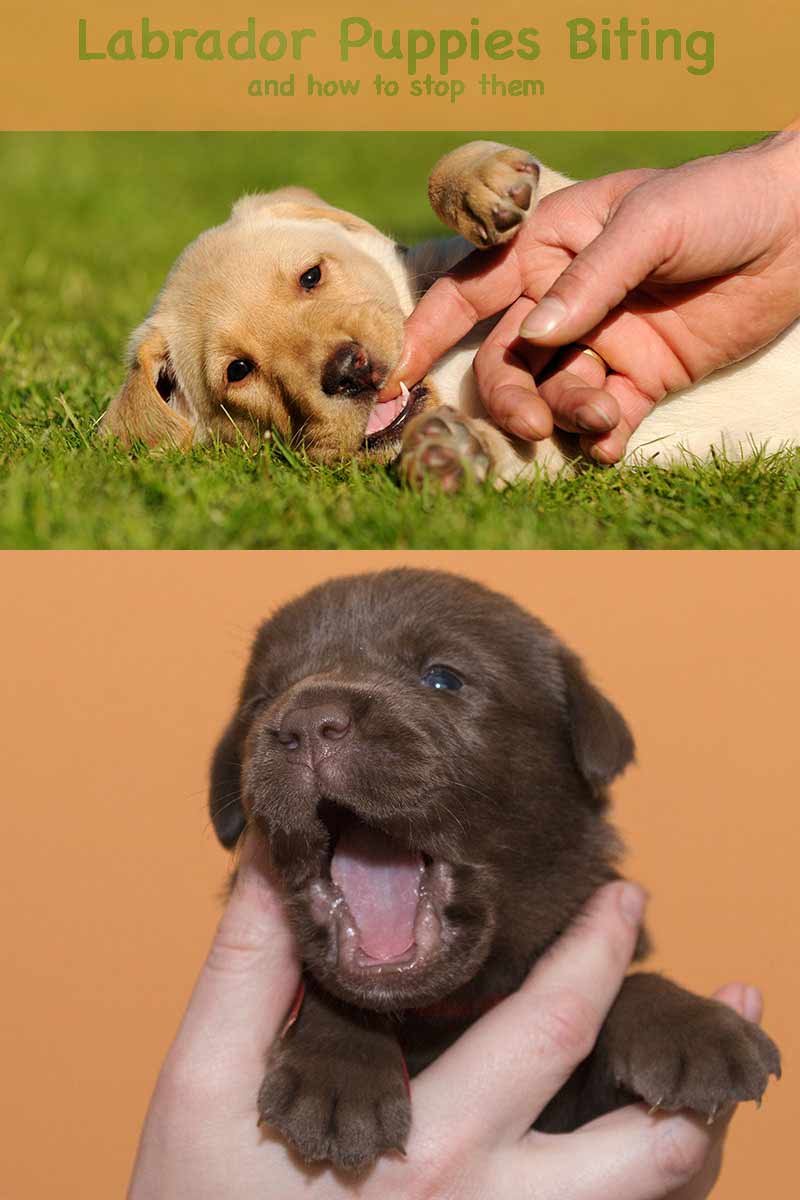

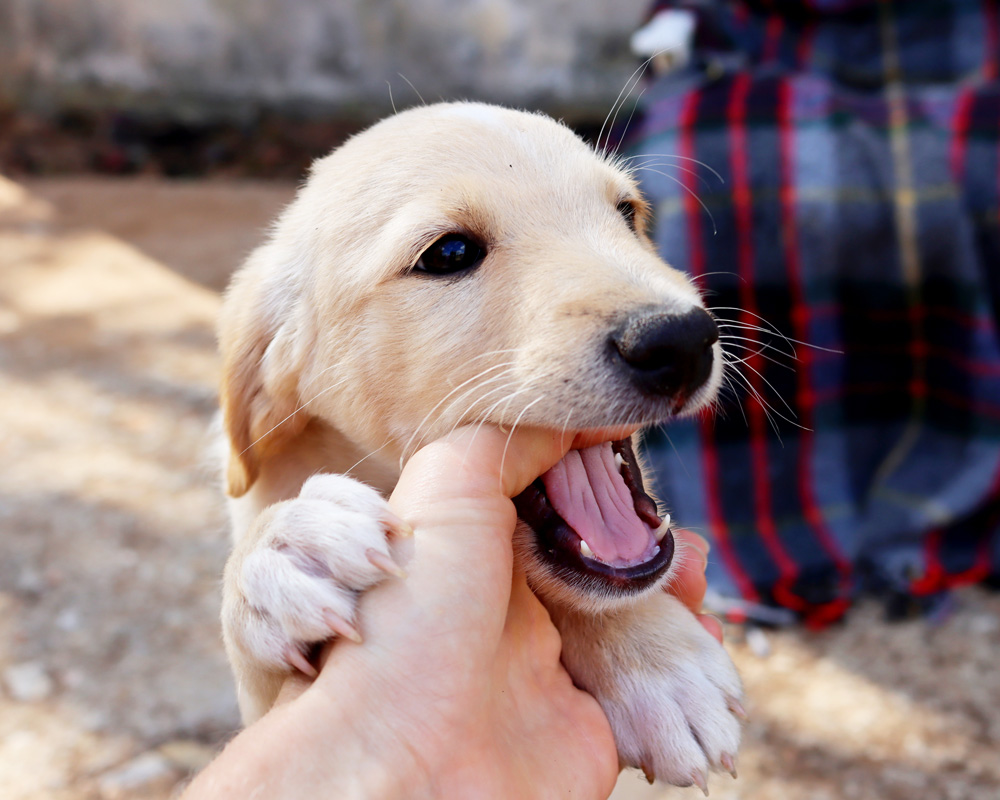

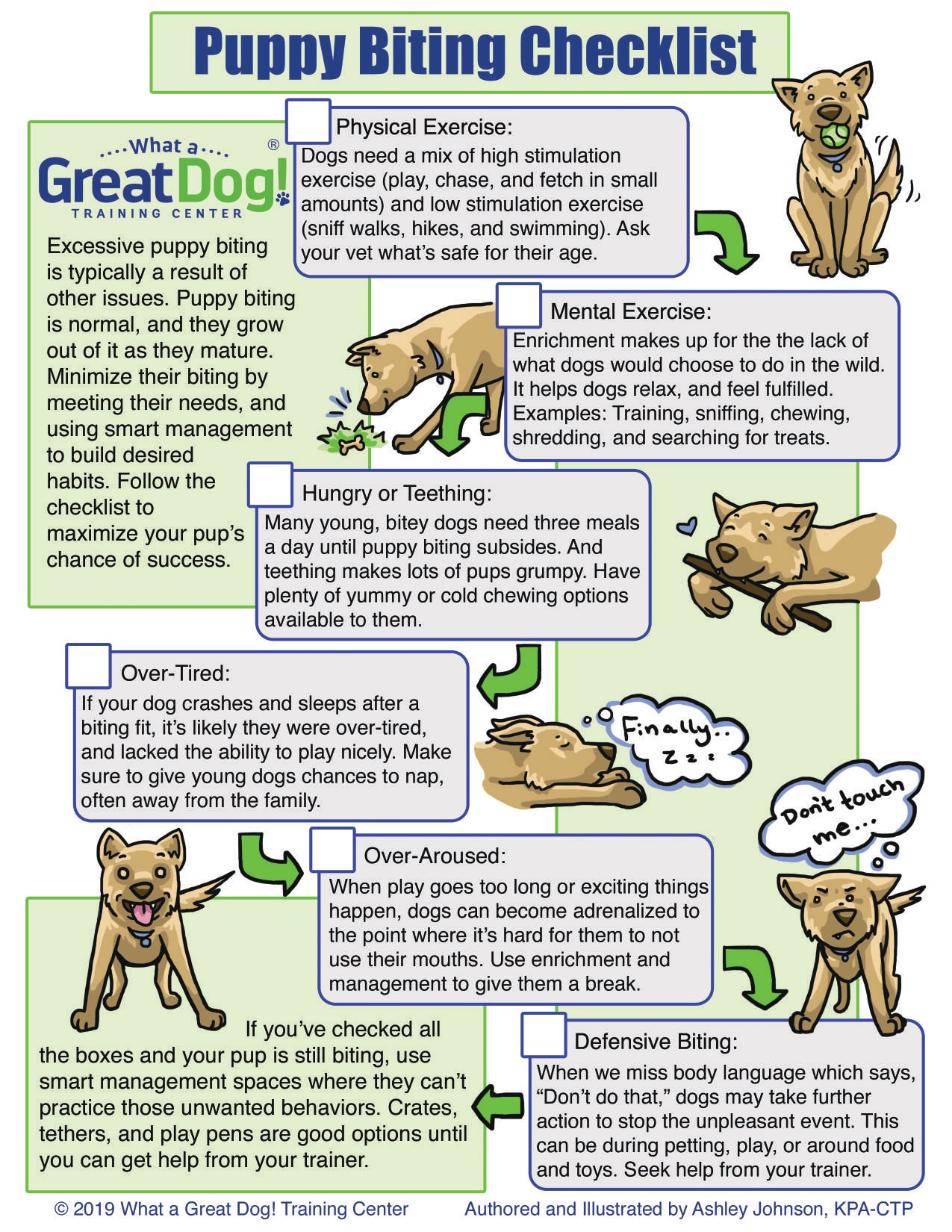
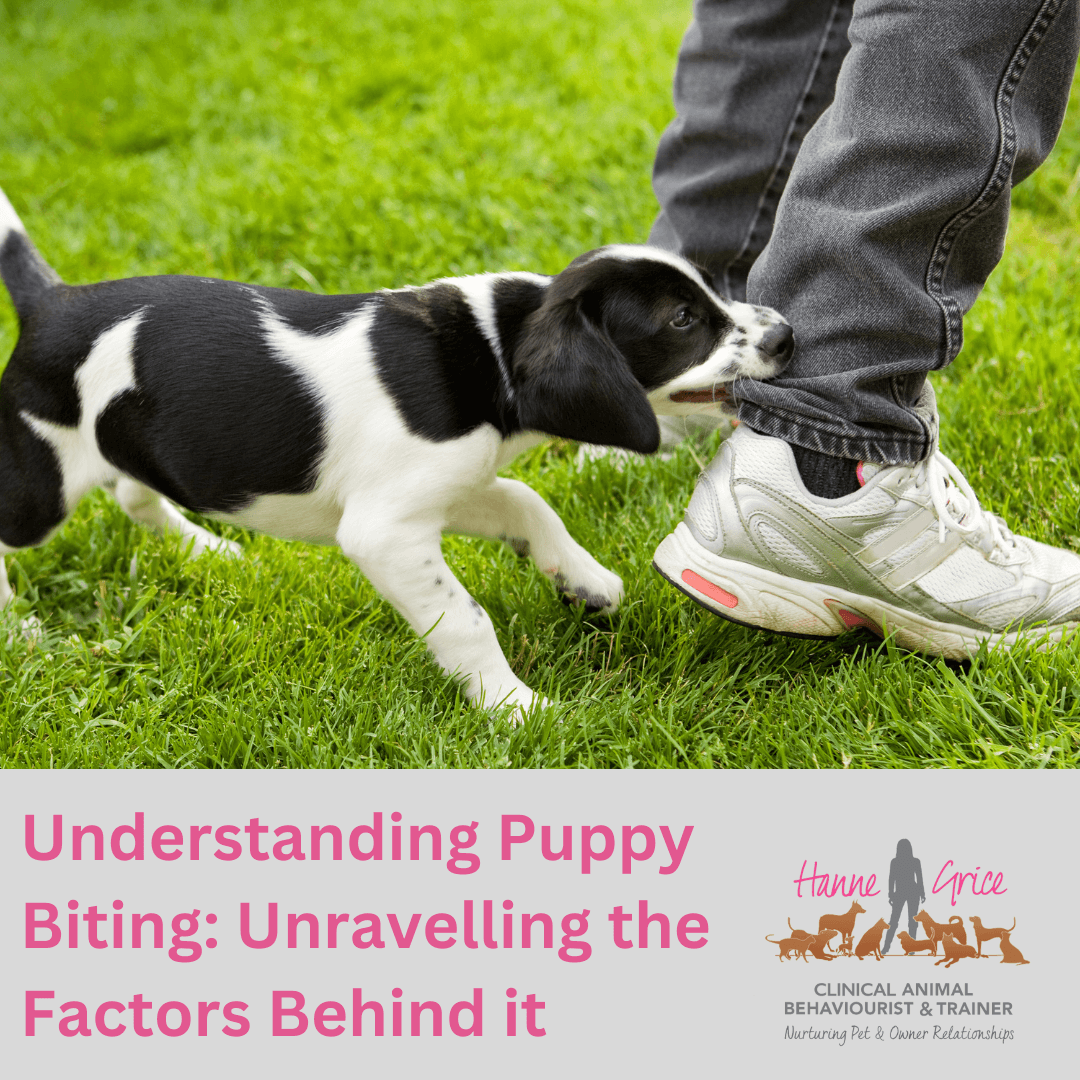

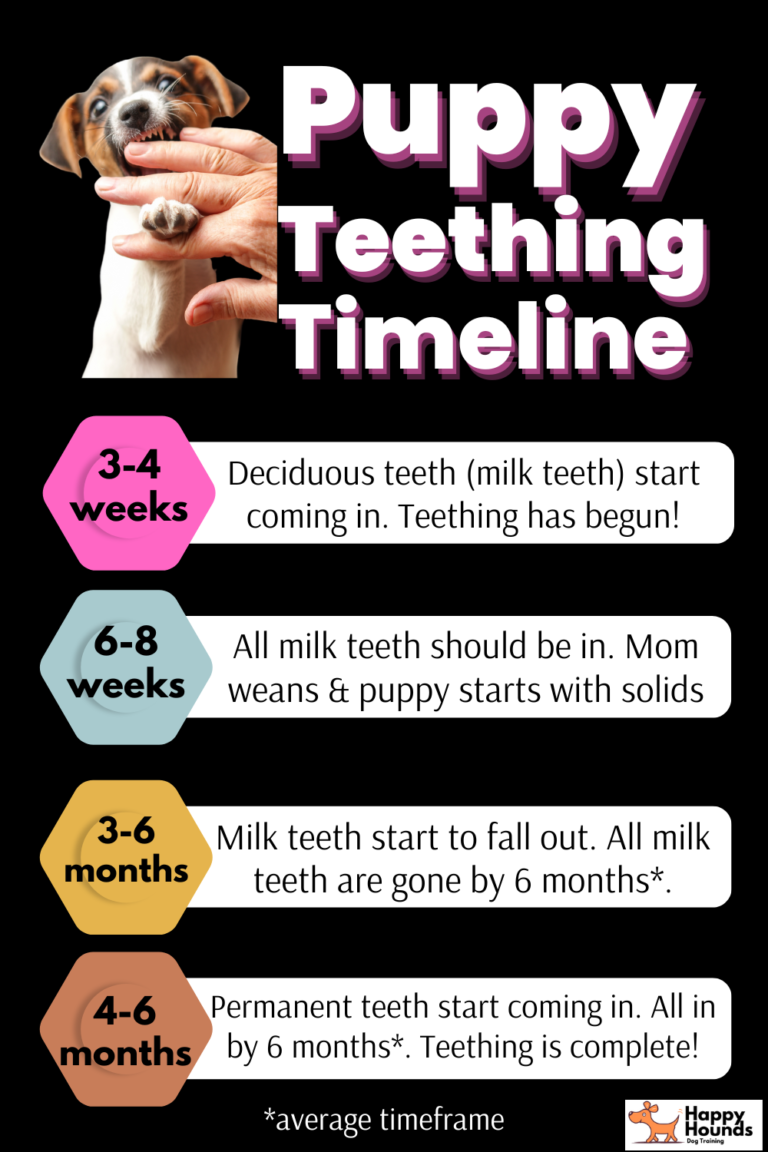

Breed, size, age, and health condition considerations dictate variations in puppy biting intensity and training approaches.
Different breeds and individual temperaments display vastly different thresholds for mouthing behavior and physical arousal. Herding breeds, for instance, possess intense genetic predispositions to nip at moving ankles, requiring specialized mental tasks to satisfy their innate working drives. Conversely, toy breeds demand extra caution due to their fragile bone structures during energetic play sessions with larger family members or children. Monitoring overall health status is equally critical, as underlying pain or gastrointestinal discomfort can manifest as sudden irritability and increased biting behavior. Tailoring every intervention to the specific physical traits and developmental stage of the individual animal ensures safe and lasting behavioral modification.
When to consult a vet — always include this essential guidance for persistent behavioral concerns.
Professional veterinary guidance remains indispensable if aggressive nipping escalates into sustained snarling, rigid body postures, or unprovoked biting attacks that do not respond to standard redirection. Certain medical conditions, neurological anomalies, or painful dental issues can cause uncharacteristic behavioral outbursts in young animals, requiring comprehensive physical examinations by licensed professionals. Never hesitate to discuss behavioral challenges during routine wellness checks, as early veterinary intervention ensures hidden health problems are diagnosed and treated promptly. Partnering closely with a qualified veterinarian or a certified animal behaviorist provides a safe, medically sound framework for resolving complex behavioral hurdles.
Closing thoughts on guiding your puppy through the hyper biting phase with patience and expert care.
Navigating the challenging weeks of early canine development demands boundless patience, unwavering consistency, and a deep understanding of natural animal behavior. By implementing positive redirection, establishing reliable routines, and ensuring proper rest, pet guardians lay the groundwork for a well-adjusted, gentle adult companion. Explore further expert advice and resources across Occasion, General & Others, and the main hub at Home2Pet.com to support every step of your wonderful journey together.