Homemade Pitbull Food
For pitbull owners, ensuring optimal health and well-being is a top priority. One of the most impactful ways to achieve this is through diet. While commercial dog food options abound, many owners are turning to homemade pitbull food as a healthier, more controlled alternative. Commercially produced foods often contain fillers, preservatives, and ingredients that can trigger allergies or sensitivities in sensitive breeds like pitbulls. By preparing their dog’s meals at home, owners have complete control over the ingredients, ensuring their furry friends receive a nutritionally balanced and wholesome diet. A well-balanced homemade diet can address specific dietary needs, like managing weight, improving coat health, or alleviating digestive issues. The key to successfully transitioning to homemade pitbull food is careful planning and a thorough understanding of canine nutritional requirements. With the right knowledge and dedication, you can provide your pitbull with a diet that promotes vitality, longevity, and overall happiness. Making informed decisions about what your dog eats is a pivotal step in responsible pet ownership, especially when considering the unique needs of a powerful breed like the pitbull.
💡 Pet Care Key Takeaways:
- Core Focus: Practical health, nutrition, and wellness guidelines for Homemade Pitbull Food.
- Target Scope: Pet owners, animal caregivers, and veterinary support staff.
- Best Recommendation: Maintain consistent daily routines and consult an accredited veterinarian before introducing major diet or medical changes.
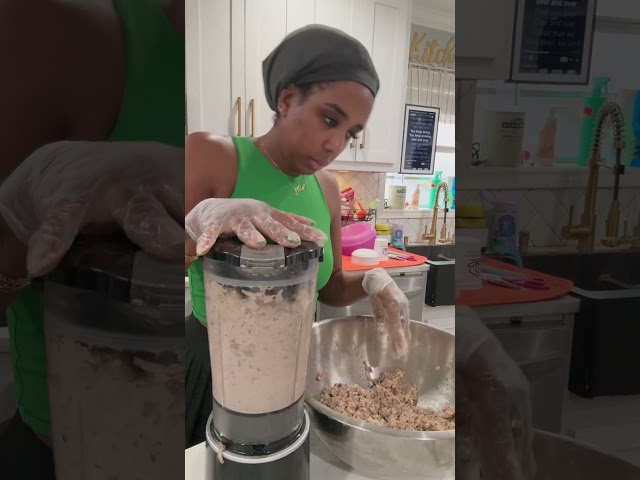
The benefits of homemade pitbull food are numerous. By crafting meals from scratch, you can eliminate artificial additives, preservatives, and low-quality fillers that are common in processed kibble. This can lead to improved digestion, reduced allergy symptoms, and a healthier coat. Key considerations when transitioning to a homemade diet include ensuring the meals are nutritionally complete and balanced. Dogs require specific ratios of protein, carbohydrates, fats, vitamins, and minerals. It is crucial to consult with a veterinarian or a canine nutritionist to develop a recipe that meets your pitbull’s individual needs, considering their age, activity level, and any existing health conditions. High-quality protein sources such as lean meats (chicken, turkey, beef), fish, and eggs are essential for muscle development and maintenance. Complex carbohydrates like brown rice, sweet potatoes, and quinoa provide energy, while healthy fats from sources like fish oil or flaxseed oil support coat health and brain function. Supplementing with essential vitamins and minerals, such as calcium and vitamin D, may also be necessary to ensure complete nutritional adequacy. Careful attention to these elements will provide your pitbull a thriving lifestyle. Related guide: Frozzys Frozen Yogurt For Dogs.
Successfully transitioning to homemade pitbull food requires careful planning and execution. Start by gradually introducing the homemade meals, mixing them with your dog’s current food over a period of several days or weeks. This will allow their digestive system to adjust and minimize the risk of stomach upset. Pay close attention to your dog’s stool consistency and overall health during the transition. If you notice any signs of diarrhea, vomiting, or skin irritation, consult with your veterinarian. When preparing homemade meals, always use fresh, high-quality ingredients and practice proper food safety. Cook meat thoroughly to eliminate the risk of bacterial contamination, and avoid feeding your dog potentially harmful ingredients such as chocolate, onions, garlic, and grapes. Store leftovers properly in the refrigerator to prevent spoilage. Remember that portion control is essential to maintain a healthy weight. Monitor your pitbull’s body condition and adjust their food intake accordingly. Ultimately, homemade pitbull food is a labour of love.
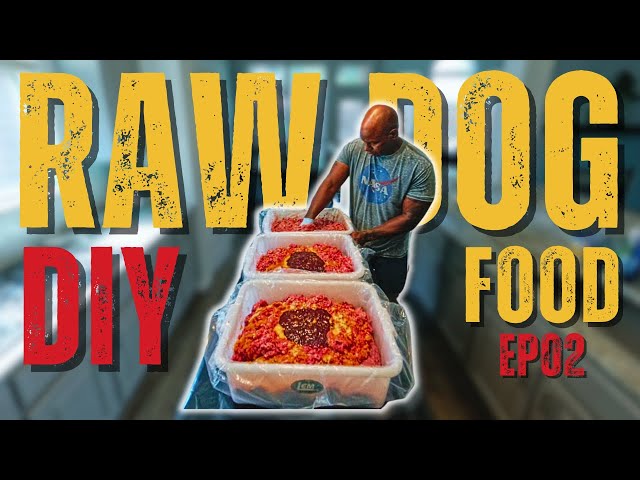
Youtube Video:
Pet Care & Wellness Overview Table
| Life Stage | Daily Activity Level | Key Nutrition / Care Focus |
|---|---|---|
| Puppy / Kitten | High (frequent short bursts) | High-protein growth diet & early socialization |
| Adult Companion | Moderate (30–60 mins daily) | Balanced maintenance nutrition & dental hygiene |
| Senior Pets | Low to Gentle (mindful walks) | Joint support (Glucosamine) & routine vet checks |
Images References :
For more expert pet care tips and advice, check out our dedicated Dog Type and Health guides to keep your companions healthy and happy.