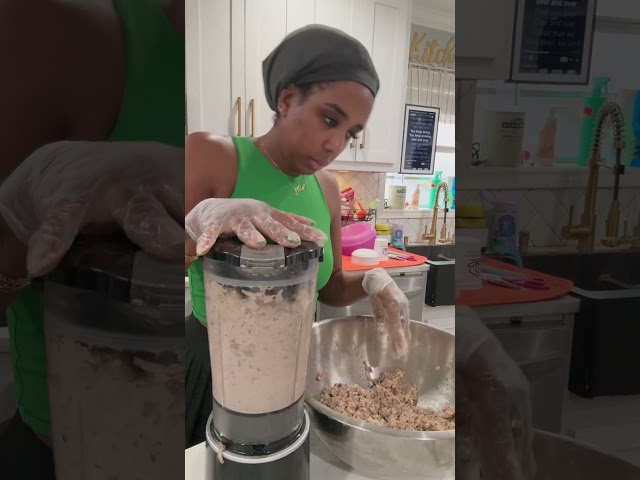
German Shepherd Food Recipes
A German Shepherd’s health and vitality are significantly influenced by their diet. Choosing the right food is crucial, and exploring German Shepherd food recipes can offer a customized approach to ensuring your dog receives optimal nutrition. Commercial dog foods often contain fillers and preservatives that can be detrimental in the long run. Homemade recipes, on the other hand, allow you to control the ingredients, ensuring your furry friend gets a balanced diet rich in essential nutrients. This is particularly important for German Shepherds, a breed known for potential health issues like hip dysplasia and bloat, which can be mitigated through proper nutrition. By understanding the specific dietary needs of your German Shepherd, you can craft recipes that support their overall well-being, promoting a healthy coat, strong bones, and a robust immune system. Tailoring their meals also helps manage allergies or sensitivities that some German Shepherds may develop, leading to a happier and healthier canine companion. Ultimately, investing time in finding and preparing appropriate German Shepherd food recipes demonstrates a commitment to their long-term health and happiness.
💡 Pet Care Key Takeaways:
- Core Focus: Practical health, nutrition, and wellness guidelines for German Shepherd Food Recipes.
- Target Scope: Pet owners, animal caregivers, and veterinary support staff.
- Best Recommendation: Maintain consistent daily routines and consult an accredited veterinarian before introducing major diet or medical changes.
The benefits of using German Shepherd food recipes extend beyond just avoiding undesirable ingredients. Homemade meals can be formulated to address specific health concerns. For instance, glucosamine and chondroitin, essential for joint health, can be easily incorporated to support healthy hips and joints, especially vital for this breed. Protein sources like lean chicken, turkey, or fish contribute to muscle development and repair, while vegetables such as carrots, sweet potatoes, and spinach provide essential vitamins and minerals. However, key considerations are crucial. Always consult with a veterinarian or canine nutritionist before making significant changes to your dog’s diet. They can help determine the appropriate calorie intake, macronutrient ratios, and supplement needs based on your dog’s age, activity level, and any underlying health conditions. Additionally, ensure that all ingredients are safe for canine consumption; some human foods, such as grapes, onions, and chocolate, are toxic to dogs. Accurate portion control and proper food handling are also essential to prevent overfeeding and bacterial contamination. With careful planning and expert guidance, German Shepherd food recipes can be a powerful tool in optimizing your dog’s health and longevity. Related guide: Homemade Raw Dog Food.
For dog owners venturing into homemade German Shepherd food recipes, here are a few practical tips. Start with simple recipes containing a limited number of ingredients to identify any potential allergies or sensitivities. Introduce new ingredients gradually to monitor your dog’s reaction. Ensure that meat is thoroughly cooked to eliminate harmful bacteria, and vegetables are lightly cooked or pureed to aid digestion. Bone-in meats should be avoided to prevent choking hazards and intestinal damage. Supplements like omega-3 fatty acids, found in fish oil, can promote a healthy coat and reduce inflammation. Remember that consistency is key; maintaining a regular feeding schedule and sticking to proven recipes will help ensure your German Shepherd receives the balanced nutrition they need. Finally, always monitor your dog’s weight and body condition to adjust portion sizes as needed. These simple guidelines can help you successfully incorporate German Shepherd food recipes into your dog’s routine, promoting a healthier and happier life.
Youtube Video:

Pet Care & Wellness Overview Table
| Life Stage | Daily Activity Level | Key Nutrition / Care Focus |
|---|---|---|
| Puppy / Kitten | High (frequent short bursts) | High-protein growth diet & early socialization |
| Adult Companion | Moderate (30–60 mins daily) | Balanced maintenance nutrition & dental hygiene |
| Senior Pets | Low to Gentle (mindful walks) | Joint support (Glucosamine) & routine vet checks |
Images References :
For more expert pet care tips and advice, check out our dedicated Dog Type and Health guides to keep your companions healthy and happy.