Natural Puppy Training Treats
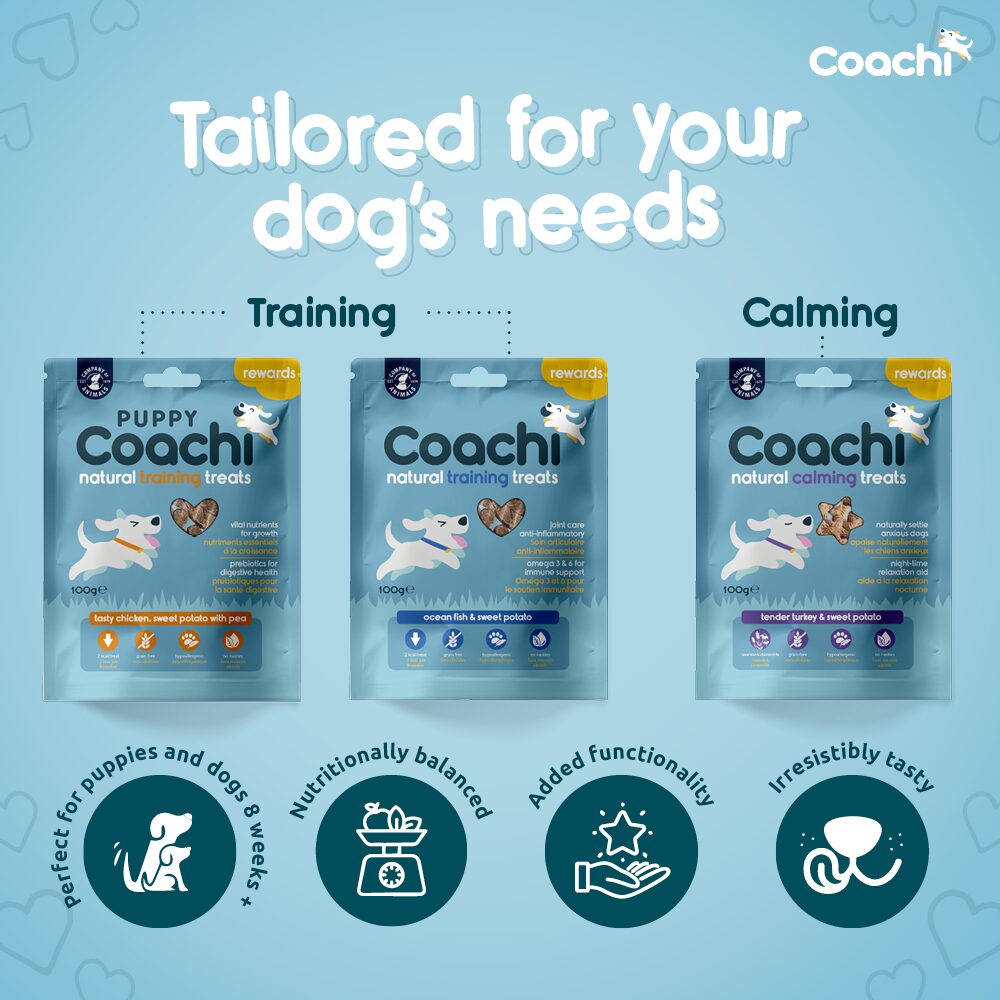
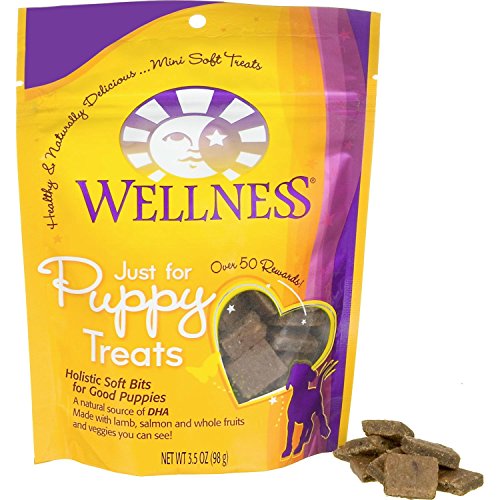
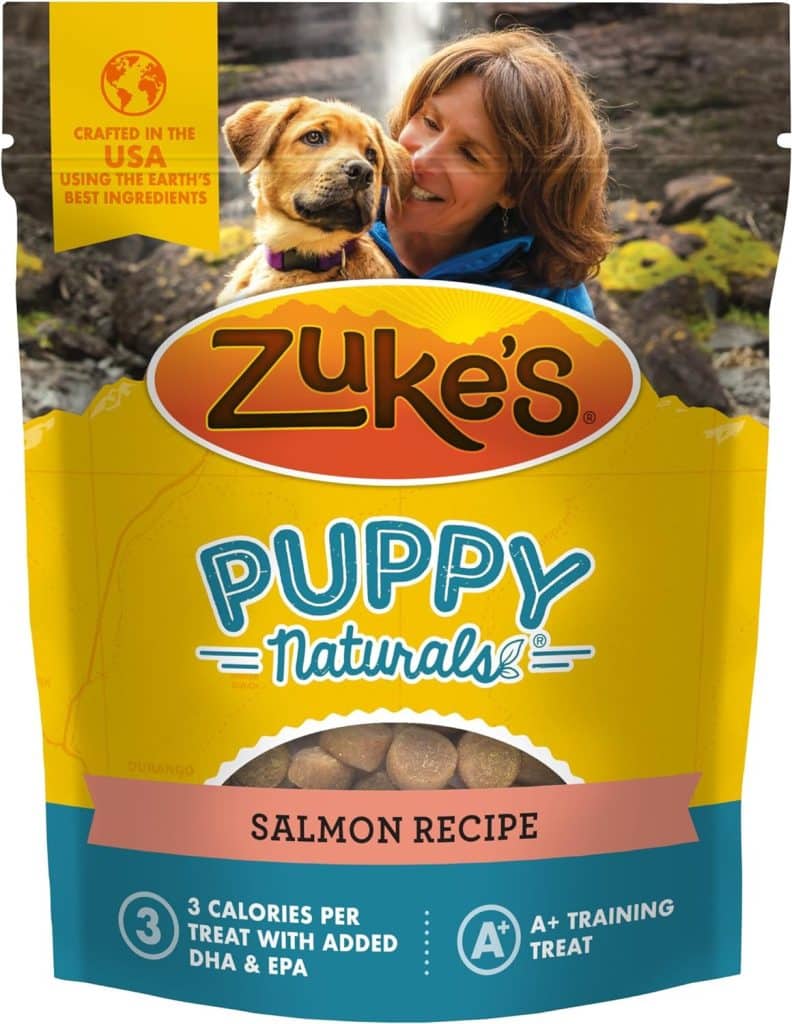
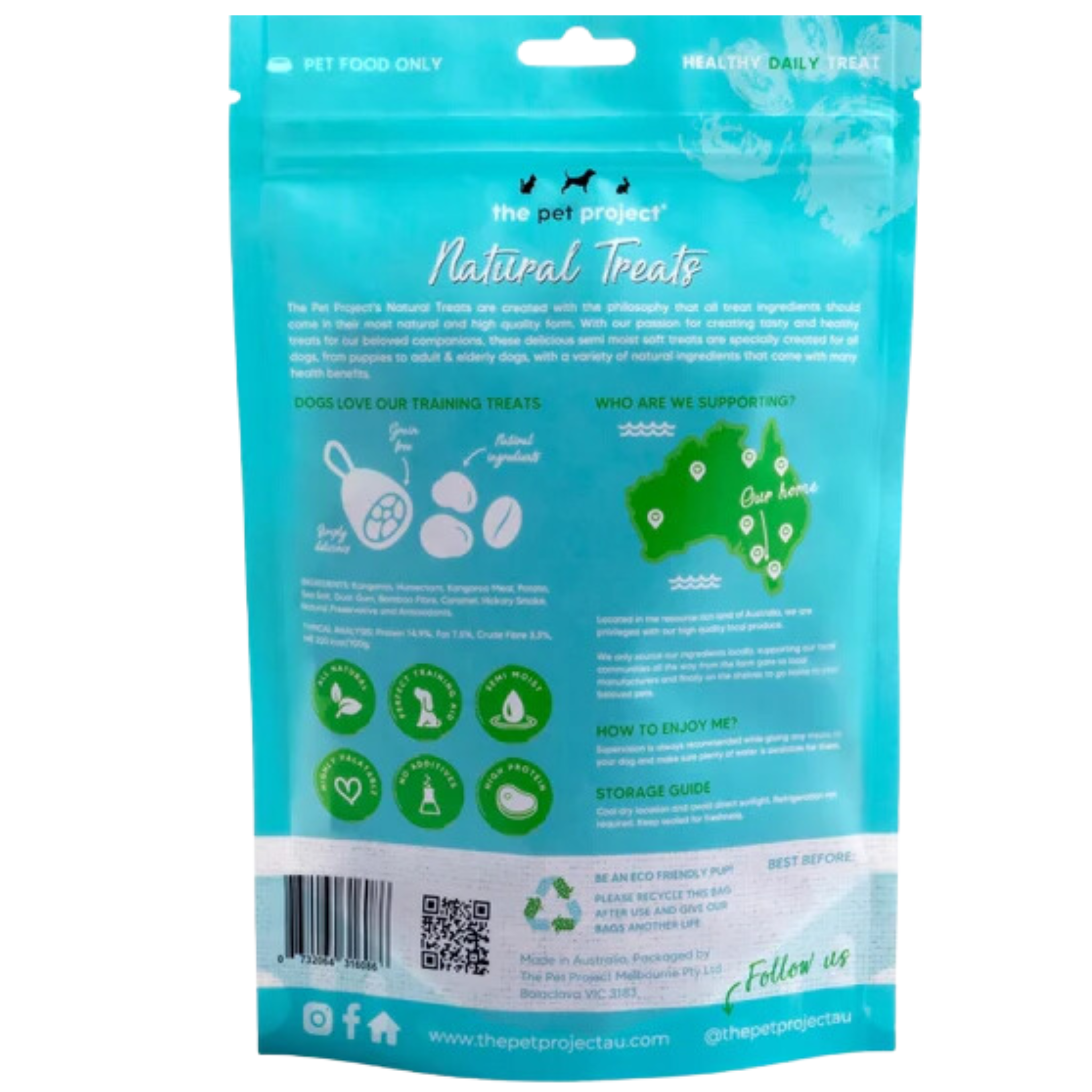
Puppyhood is a crucial time for development, and positive reinforcement through training is key to shaping a well-behaved and happy dog. One of the most effective tools for puppy training is the use of treats. However, not all treats are created equal. Opting for natural puppy training treats offers significant advantages for your pup’s health and well-being. Many commercially available treats are loaded with artificial colors, flavors, preservatives, and fillers, which can lead to digestive upset, allergies, and even long-term health problems. By choosing natural alternatives, you’re providing your puppy with wholesome ingredients that support their growth and development without the risk of harmful additives. This focus on natural ingredients ensures that your puppy receives the necessary nutrients for a strong immune system, healthy digestion, and sustained energy levels, all while reinforcing positive behaviors during training sessions. Starting with the right treats sets a foundation for a lifetime of good health and a strong bond between you and your furry friend.
💡 Pet Care Key Takeaways:
- Core Focus: Practical health, nutrition, and wellness guidelines for Natural Puppy Training Treats.
- Target Scope: Pet owners, animal caregivers, and veterinary support staff.
- Best Recommendation: Maintain consistent daily routines and consult an accredited veterinarian before introducing major diet or medical changes.
The health benefits of natural puppy training treats are numerous. These treats often contain single-ingredient or limited-ingredient formulas, making it easier to identify and avoid potential allergens. Common natural ingredients include freeze-dried meats, sweet potatoes, blueberries, and carrots, which are rich in essential vitamins, minerals, and antioxidants. These nutrients contribute to a healthy coat, strong bones, and optimal brain function. When selecting natural treats, carefully consider the ingredients list. Avoid treats that contain artificial additives, corn, wheat, soy, or by-products. Look for treats that are specifically formulated for puppies, as these will be appropriately sized and contain the right balance of nutrients for their growing bodies. The texture of the treats is also an important factor; choose soft, easily chewable treats to prevent choking hazards, especially for smaller breeds. Remember that treats should only make up a small portion of your puppy’s daily diet, typically no more than 10%. Always adjust their regular food intake accordingly to prevent overfeeding and maintain a healthy weight. Related guide: Frozzys Frozen Yogurt For Dogs.
For dog owners looking to incorporate natural puppy training treats into their training regimen, there are several key tips to keep in mind. First, always consult with your veterinarian before introducing any new treats to your puppy’s diet, especially if your puppy has any pre-existing health conditions or sensitivities. Introduce new treats gradually to monitor for any adverse reactions. Use treats sparingly and strategically during training sessions, rewarding desired behaviors immediately. Keep training sessions short and positive to maintain your puppy’s attention and enthusiasm. Vary the types of treats you use to keep your puppy engaged and motivated. Consider using high-value treats for particularly challenging commands or situations. In addition to commercially available natural treats, you can also make your own homemade treats using simple, wholesome ingredients.
Youtube Video:

Pet Care & Wellness Overview Table
| Life Stage | Daily Activity Level | Key Nutrition / Care Focus |
|---|---|---|
| Puppy / Kitten | High (frequent short bursts) | High-protein growth diet & early socialization |
| Adult Companion | Moderate (30–60 mins daily) | Balanced maintenance nutrition & dental hygiene |
| Senior Pets | Low to Gentle (mindful walks) | Joint support (Glucosamine) & routine vet checks |
Images References



For more expert pet care tips and advice, check out our dedicated Dog Type and Health guides to keep your companions healthy and happy.